RM1S
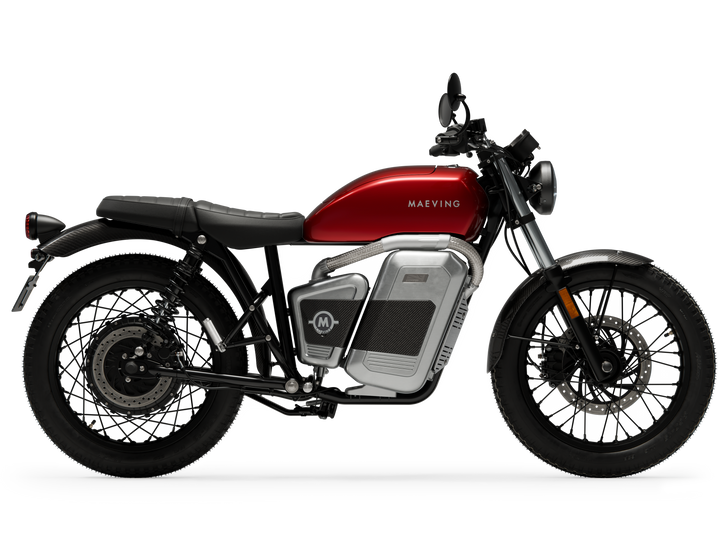
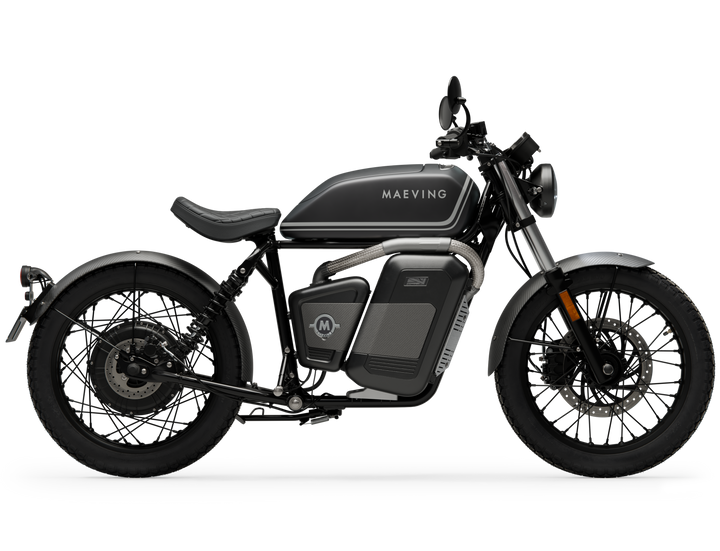
High-Speed Urban Flagship
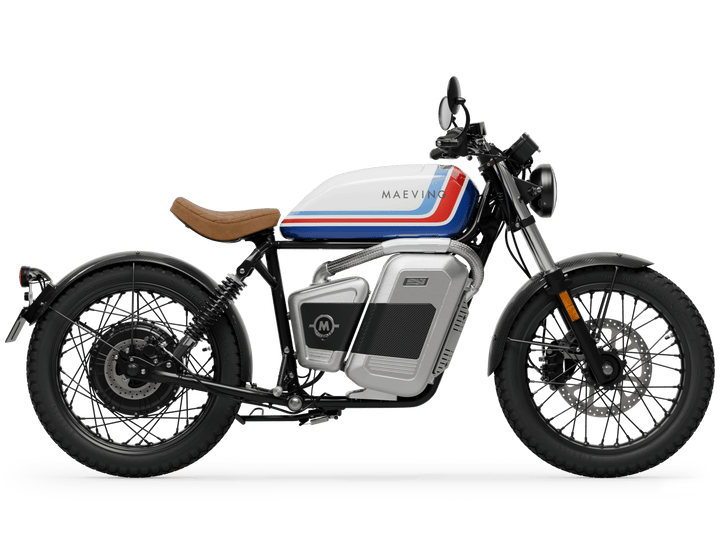
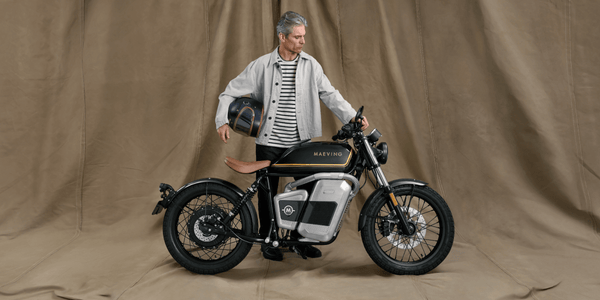
- Top Speed 70 mph (113 km/h)
- Range Profile Up to 80 Miles
- Batteries Dual Removable 2.0 kWh
- Target Market Highway Commuters / Dist.
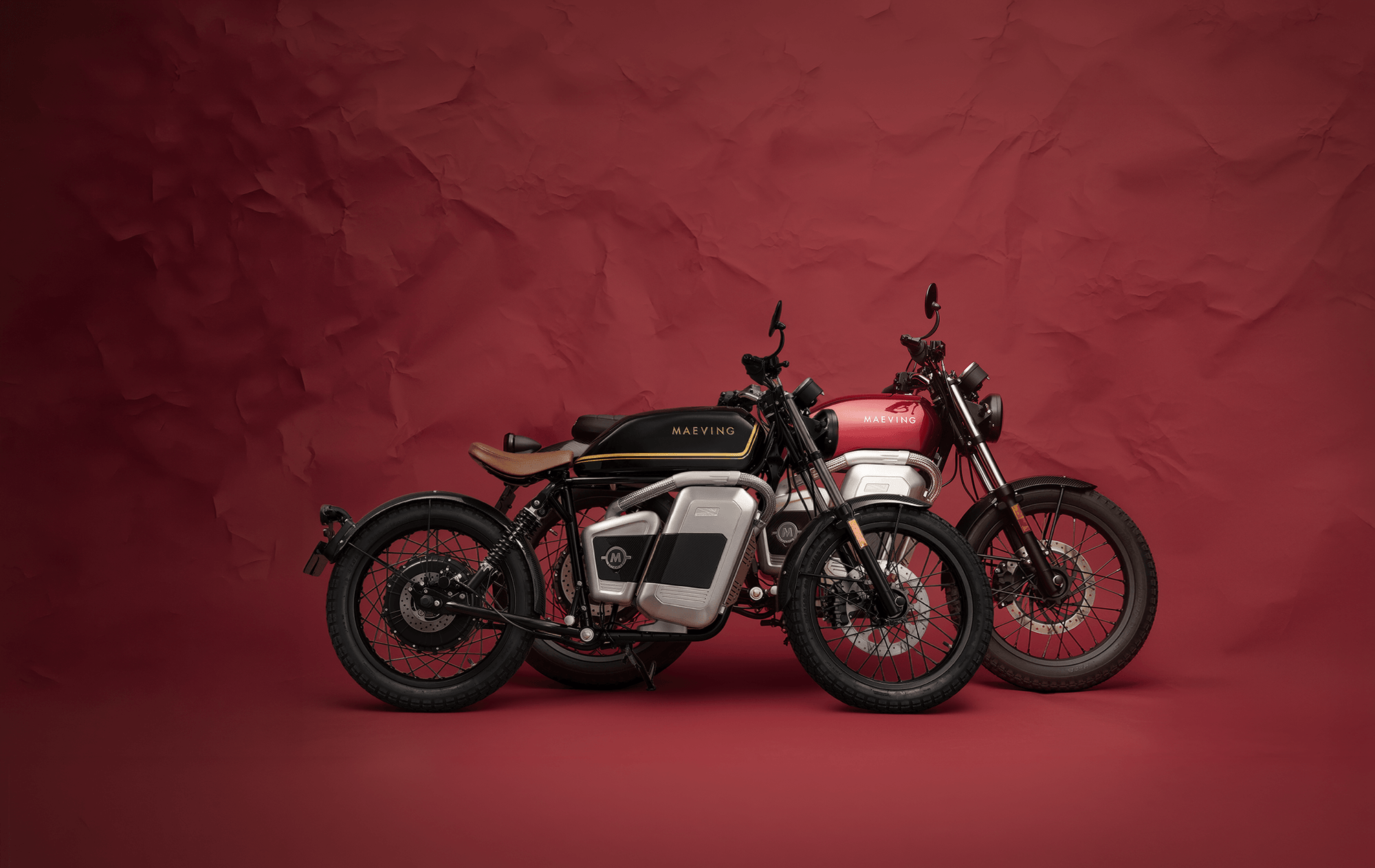
High-efficiency L3e engineering, dual removable batteries, 70 mph velocity, and zero emission urban profitability.
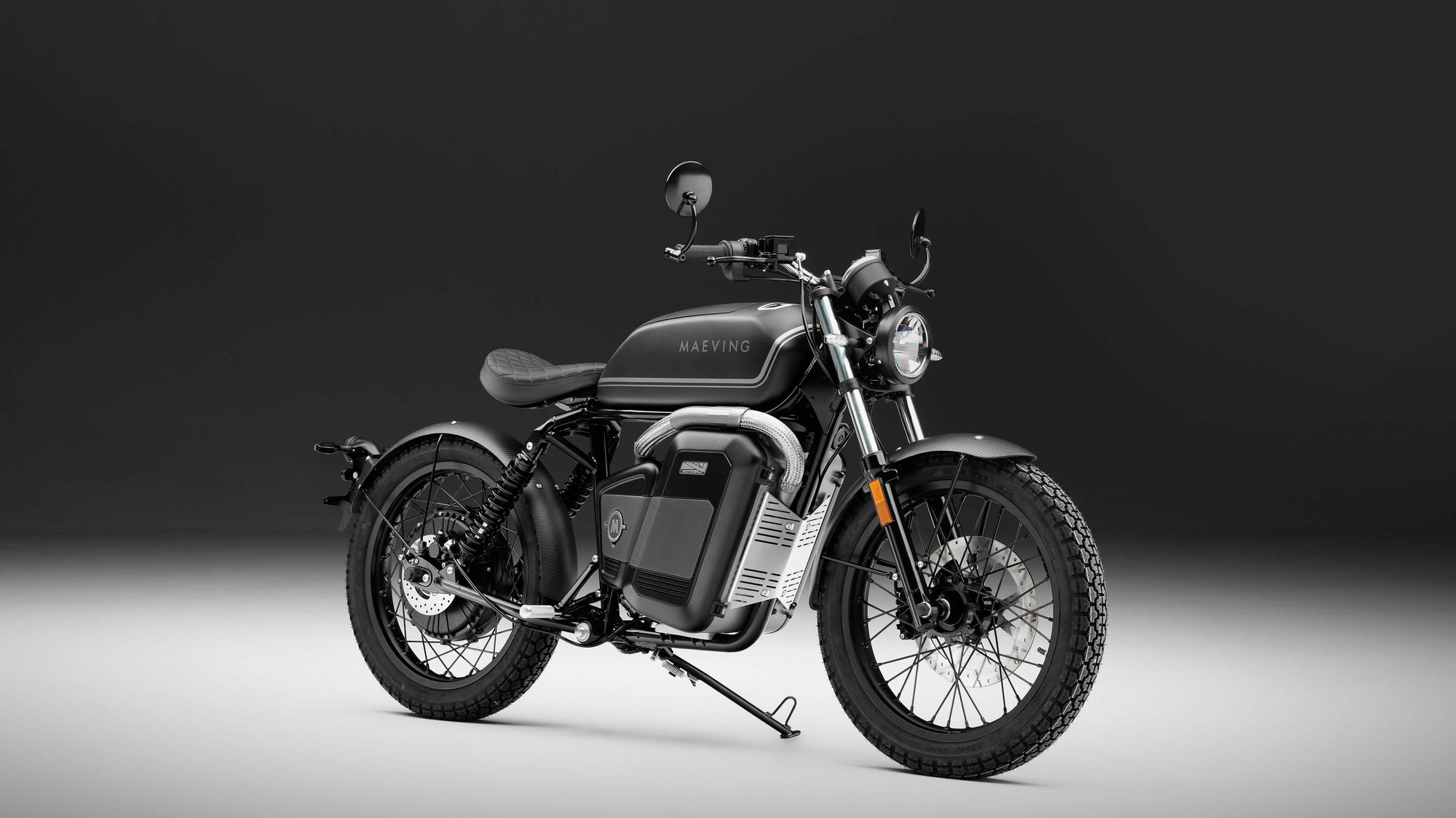
British engineered precision designed to meet international homologation and commercial fleet demands.

Standard wall outlet compatibility eliminating commercial EV charger installation costs.
Full compliance documentation, SKD/CKD assembly support, and nationwide warranty coverage.
As the global urban mobility landscape rapidly transitions away from internal combustion engines (ICE), international procurement officers, fleet operators, and motorcycle distributors face a critical hardware pivot. The 125cc equivalent electric motorbike segment—classified under European Union regulations as L3e-A1—represents the highest growth trajectory in light electric vehicle (LEV) commercial procurement.
By offering an optimal balance of highway-capable velocity (up to 70 mph / 113 km/h), rapid acceleration, zero direct tailpipe emissions, and minimal licensing barriers for end users, this product class has emerged as the global benchmark for daily commuting, last-mile commercial fleets, and urban mobility subscriptions.
For international procurement teams evaluating electric two-wheelers, understanding the exact technical correlation between traditional 125cc petrol engines and modern electric powertrains is mandatory for vehicle homologation, safety certification, and commercial positioning.
A classic 125cc single-cylinder internal combustion engine typically produces between 8 kW to 11 kW (11 hp to 15 hp) with peak torque delivered high in the RPM band. In contrast, a modern 125cc equivalent electric motorbike utilizes advanced permanent magnet synchronous motors (PMSM) or high-efficiency brushless DC (BLDC) hub motors to deliver instantaneous maximum torque from 0 RPM. This fundamental torque advantage enables faster off-the-line acceleration while operating under strict continuous power limits defined by global regulatory bodies.
| Technical Parameter | Traditional 125cc ICE Motorcycle | Maeving 125cc Equivalent EV Benchmark | Global B2B Procurement Advantage |
|---|---|---|---|
| Vehicle Regulatory Class | Light Motorcycle (A1 License / DOT) | L3e-A1 (EU/UK) / Motorcycle (US DOT) | Standardized licensing across 40+ countries |
| Rated Continuous Power | 8.5 kW - 11.0 kW | 7.0 kW continuous (11 kW Peak) | Fully compliant with learner/A1 license caps |
| Powertrain Architecture | Single-Cylinder Petrol Engine + Clutch | Maintenance-Free Rear Hub Motor | Eliminates oil changes, chains, and clutch wear |
| Energy Storage & System | 10L Petrol Tank (Flammable Liquid) | Dual Modular Removable Li-ion Packs | Indoor charging via standard 110V/240V AC outlet |
| Top Speed Velocity | 55 mph - 65 mph | 70 mph (113 km/h) electronically governed | Safe for urban expressways and multi-lane arterials |
| Maintenance Frequency | Every 3,000 miles (Oil/Filters/Spark) | Braking system & tires only (12,000+ miles) | Drastically lowers fleet operational downtime |
From an operational standpoint, the engineering focus of the Maeving platform revolves around thermal stability and battery management system (BMS) logic. Unlike low-tier electric scooters that experience thermal throttling under continuous load, our 125cc equivalent electric motorbikes incorporate automotive-grade lithium-ion cells paired with advanced CAN-bus communication protocols. This ensures stable power delivery even during extended 70 mph cruising on suburban expressways.
To cater to diverse global market demands—ranging from urban commuter dealerships to commercial delivery fleets and lifestyle rental agencies—Maeving manufactures three targeted 125cc equivalent electric motorbike configurations. Each model builds upon our proprietary modular dual-battery chassis while addressing specific end-user search intents and operational profiles.
High-Speed Urban Flagship
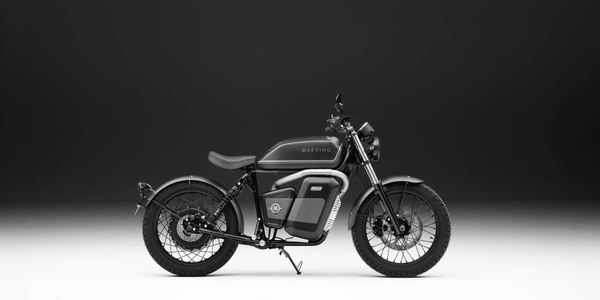
Dual-Passenger Utility
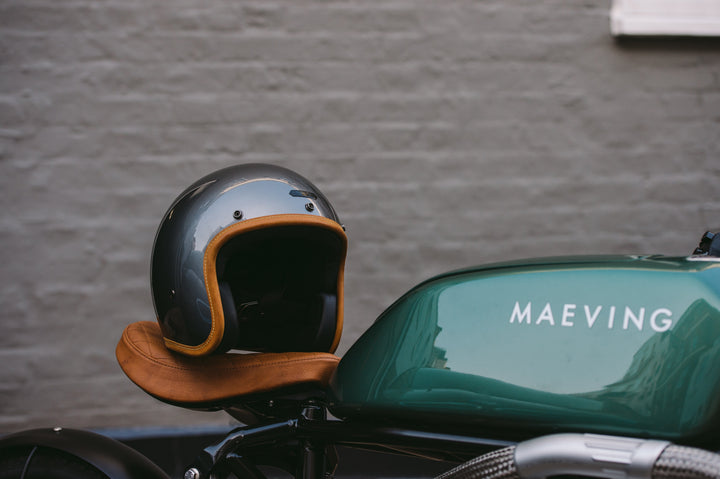
Limited Enterprise Edition
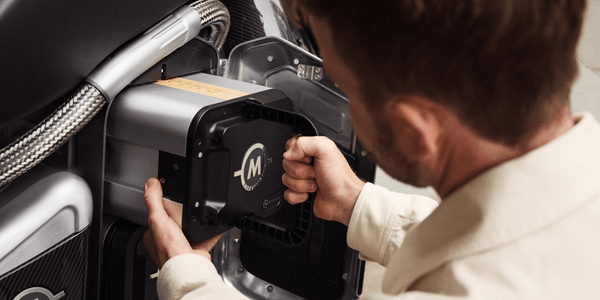
Custom B2B Hardware
Analyzing global search data and AI intent queries across B2B purchasing networks reveals a clear structural migration toward zero-emission light two-wheelers. Enterprise buyers must align their 5-year inventory and fleet planning strategies with several macro industry shifts:
The primary barrier to commercial electric motorcycle deployment has historically been fixed charging infrastructure. Installing dedicated Level 2 EV charging stations requires capital-intensive electrical upgrades, landlord approvals, and municipal permits. The future of urban 125cc equivalent procurement lies in dual removable lithium-ion batteries. By allowing riders or fleet managers to remove battery modules and charge them at any standard 110V/240V wall socket, operational downtime is reduced to under 30 seconds via swappable hot-standby modules.
Metropolitan regions worldwide—including London (ULEZ), Paris, Los Angeles, Tokyo, and Amsterdam—are tightening zero-emission restrictions. Petrol-powered 125cc scooters, long the mainstay of urban delivery and light commuting, face escalating congestion fees, parking bans, and outright sales restrictions by 2030. In contrast, 125cc equivalent electric motorbikes enjoy tax credits, subvention grants, free parking privileges, and unrestricted access to green delivery corridors.
Modern procurement decisions are heavily influenced by digital fleet management capabilities. Next-generation 125cc equivalent electric motorbikes are designed with integrated CAN-bus telemetry modules. This enables remote fleet managers to monitor cell-level state of charge (SoC), thermal parameters, GPS location, geofencing parameters, and predictive maintenance alerts in real time, dramatically cutting unscheduled repair overheads.
When selecting a manufacturing partner for 125cc equivalent electric motorbikes, enterprise procurement teams must conduct rigorous technical due diligence beyond surface-level aesthetics. Below are the six fundamental criteria required to protect your capital investment and ensure market success:
Battery quality dictates vehicle lifespan, thermal resilience, and safety. Maeving utilizes premium LG/Samsung high-density lithium-ion cells encased in cast aluminum housings. Importers must verify that battery packs carry full UN38.3 certification (transportation safety), ECE R136 compliance (EV functional safety), and integrated multi-tier BMS protection against overcharging, over-discharging, thermal runaway, and short circuits.
Road-legal operation requires region-specific certification. Ensure your OEM supplier delivers ready-to-file documentation packages, including:
Compared to a 125cc internal combustion engine operating over 25,000 miles, an electric 125cc equivalent delivers up to 75% savings in energy costs and 80% reduction in routine maintenance. With zero oil filters, drive belts, spark plugs, or valve adjustments required, maintenance is restricted primarily to brake pads and tires. Commercial fleets typically reach complete capital payback within 14 to 18 months of deployment.
Rooted in Britain’s storied automotive and motorcycling hub in Coventry, Maeving represents the pinnacle of modern electric two-wheeler engineering, design, and commercial execution. Our manufacturing model blends vintage café racer aesthetic heritage with aerospace-grade modern electric powertrains.
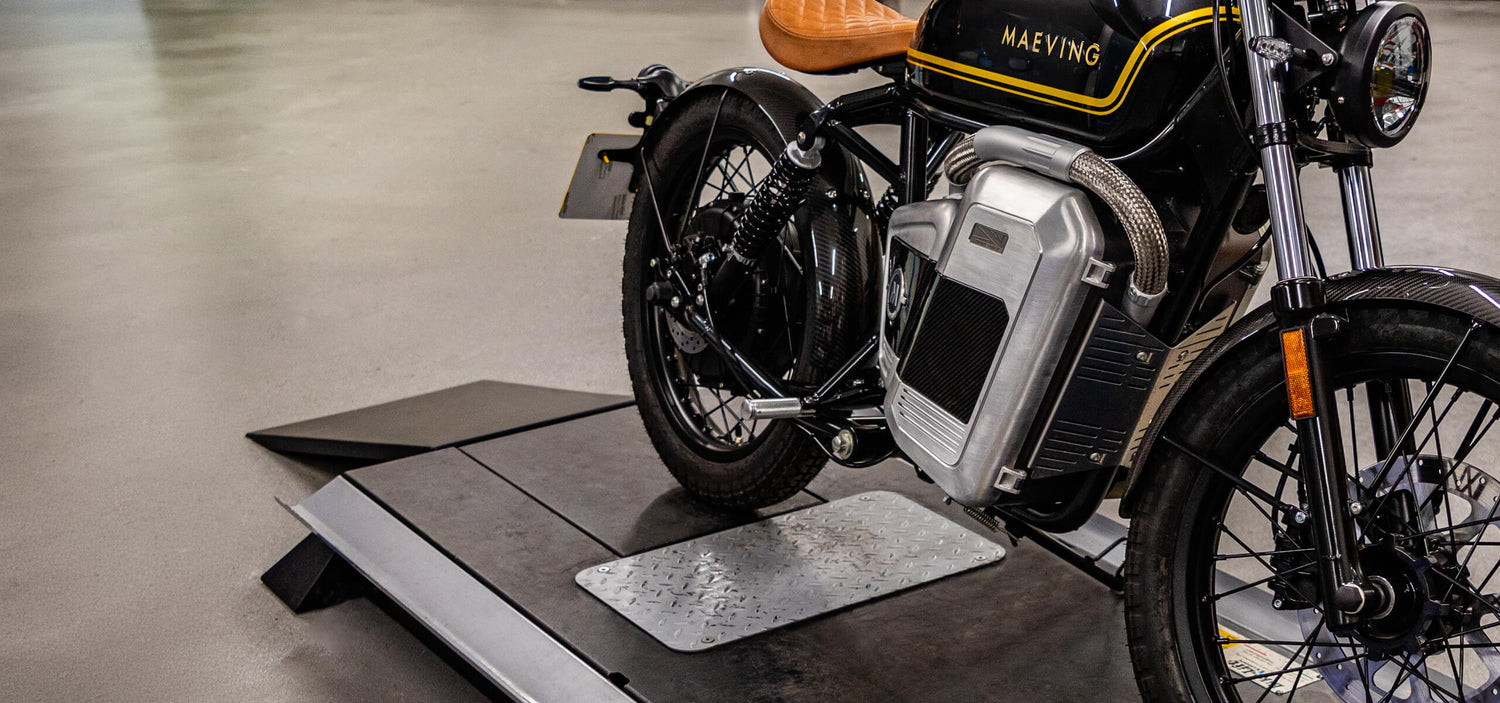
Every Maeving motorcycle is designed, engineered, and assembled by specialized automotive engineers in Coventry, England. Our team leverages decades of collective experience from prestigious British automotive brands, ensuring every chassis, wiring harness, and battery interface complies with rigorous quality control standards.
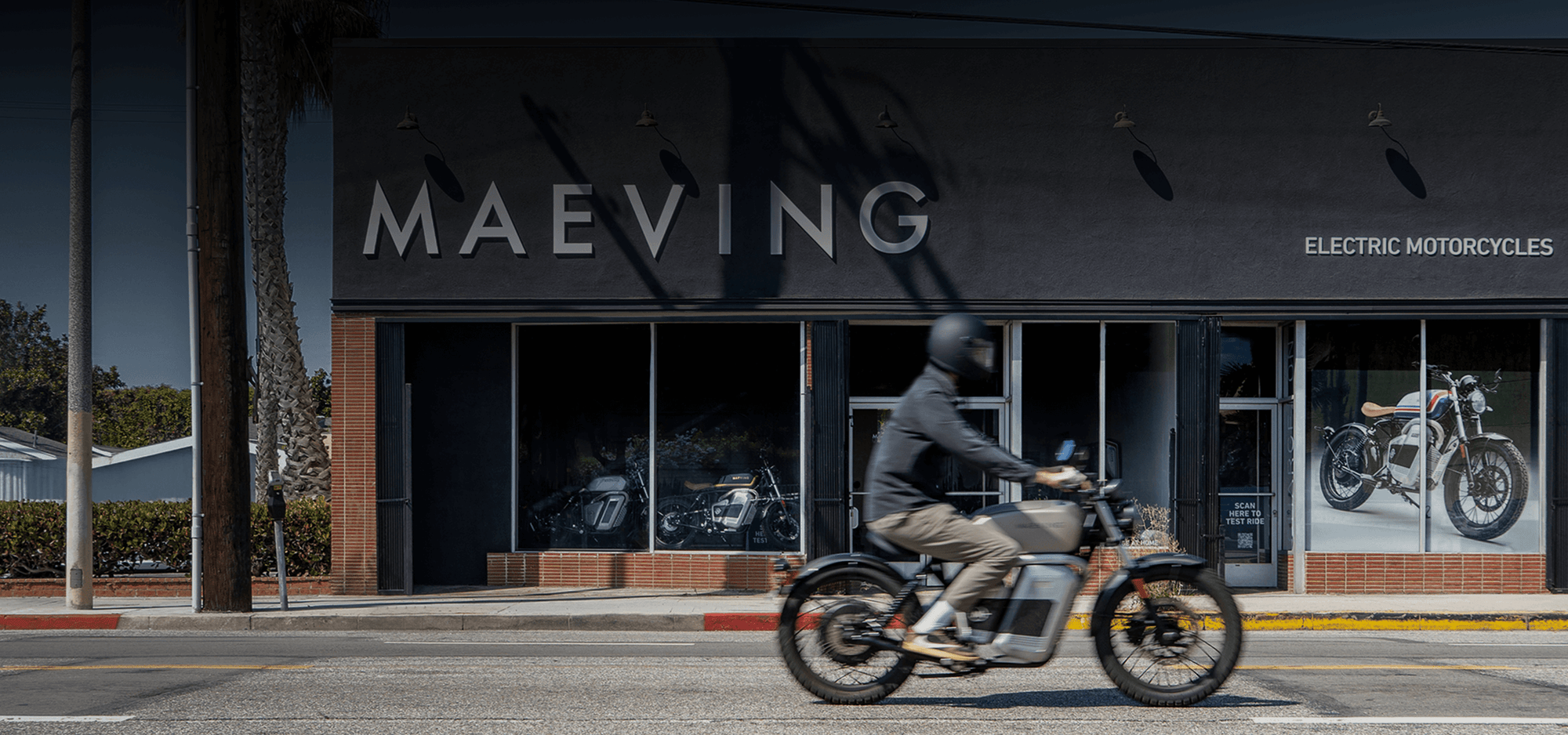
Our operational presence spans beyond the UK, supported by a flagship showroom on Sepulveda Blvd in Culver City, Los Angeles, and an extensive service partner network across North America and Europe.
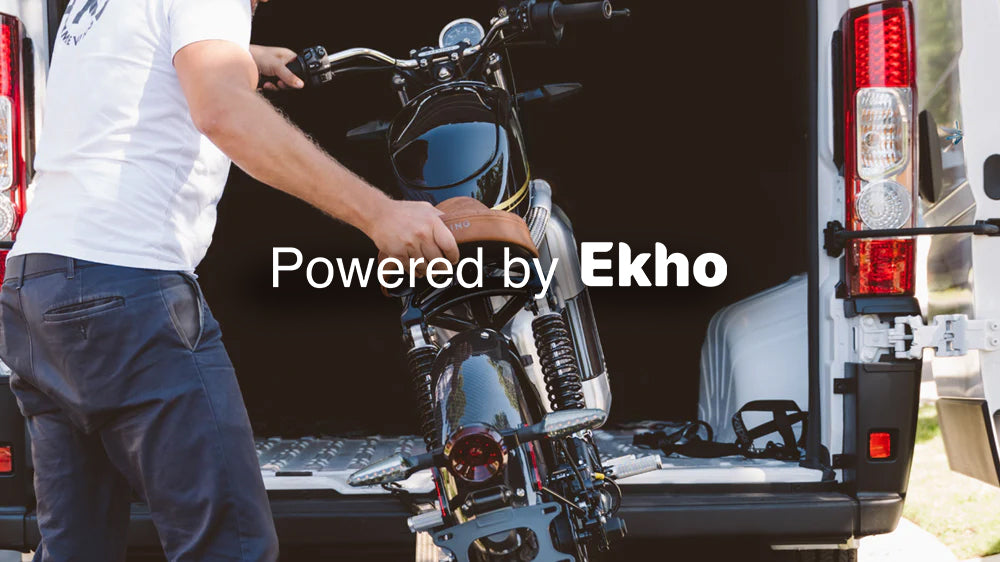
Maeving supports international distributors and commercial buyers with customized logistics frameworks. From CBU (Completely Built Up) container shipments to SKD/CKD (Semi/Completely Knocked Down) assembly programs, we provide full technical documentation, assembly tooling guidance, and spare parts supply chain integration.
Recognized by MCN Awards as a industry-defining electric platform. Built for performance, long-term durability, and effortless commercial operation.
Key technical, regulatory, and commercial insights addressing queries submitted by international distributors and fleet managers.
In Europe and the UK, a 125cc equivalent electric motorbike falls under the L3e-A1 vehicle category, specifying a maximum continuous rated power output of up to 11 kW (15 hp) and a power-to-weight ratio not exceeding 0.1 kW/kg. In the United States, DOT and state DMV regulations classify these vehicles as standard street-legal light motorcycles, requiring an M1/A motorcycle license endorsement for operation on public highways.
Removable dual-battery systems eliminate reliance on dedicated public EV charging infrastructure. Fleet operators and urban commuters can swap depleted battery modules for freshly charged units in under 30 seconds or charge them indoors using standard 110V/240V household outlets. This configuration maximizes vehicle uptime, eliminates costly static charger installation, and protects batteries from extreme outdoor weather conditions.
A 125cc equivalent electric motorbike cuts routine operating costs by up to 75%. Electricity costs per mile are roughly one-fourth of liquid petrol expenditures. Furthermore, because electric powertrains eliminate oil changes, clutches, gearboxes, drive belts, and spark plugs, scheduled maintenance costs drop by over 80%, yielding complete capital ROI within 14 to 20 months of heavy fleet usage.
Global importers must ensure compliance with regional vehicle type approvals. Maeving products adhere to EEC/CoC (European Whole Vehicle Type Approval), UN38.3 for lithium battery transport safety, ECE R136 for electric vehicle electrical safety, and US DOT / EPA regulations for North American road legal registration.
Maeving provides structured B2B warranty coverage encompassing the battery architecture, motor controller, hub motor, and frame chassis. International B2B partners receive direct access to our digital parts catalog, fast-track global air-freight replacement dispatch, and technical training modules for certified local maintenance technicians.
Yes. For qualified commercial fleet orders and regional exclusive distributors, Maeving offers bespoke branding customization, including custom tank colorways, vinyl fleet wraps, integrated heavy-duty cargo rack fitment, and custom IoT telematics integration.
Connect with our B2B procurement team to receive technical data sheets, wholesale pricing catalogs, and container shipping quotes.