RM1S
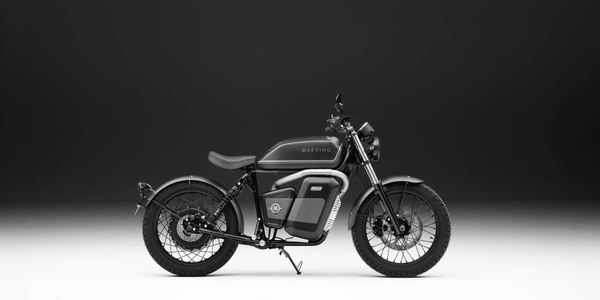
Urban Commuter Flagship
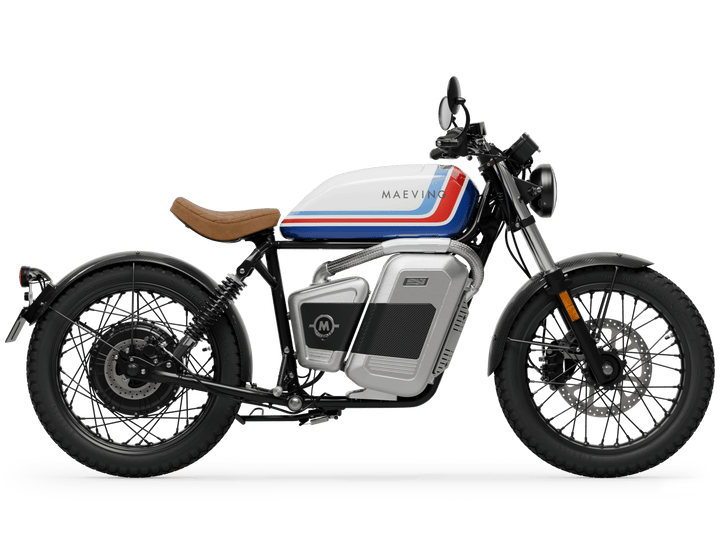
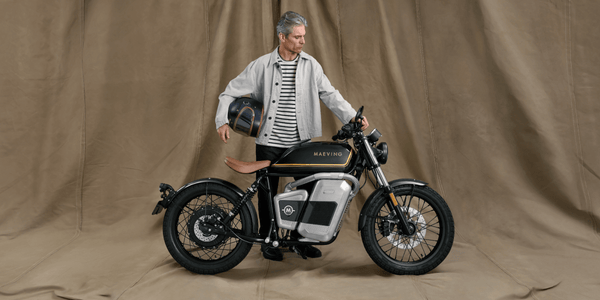
- Top Speed 70 mph (112 km/h)
- Battery Config Dual Removable (2.7 kWh)
- Charge Method 110V/240V Standard Wall Plug
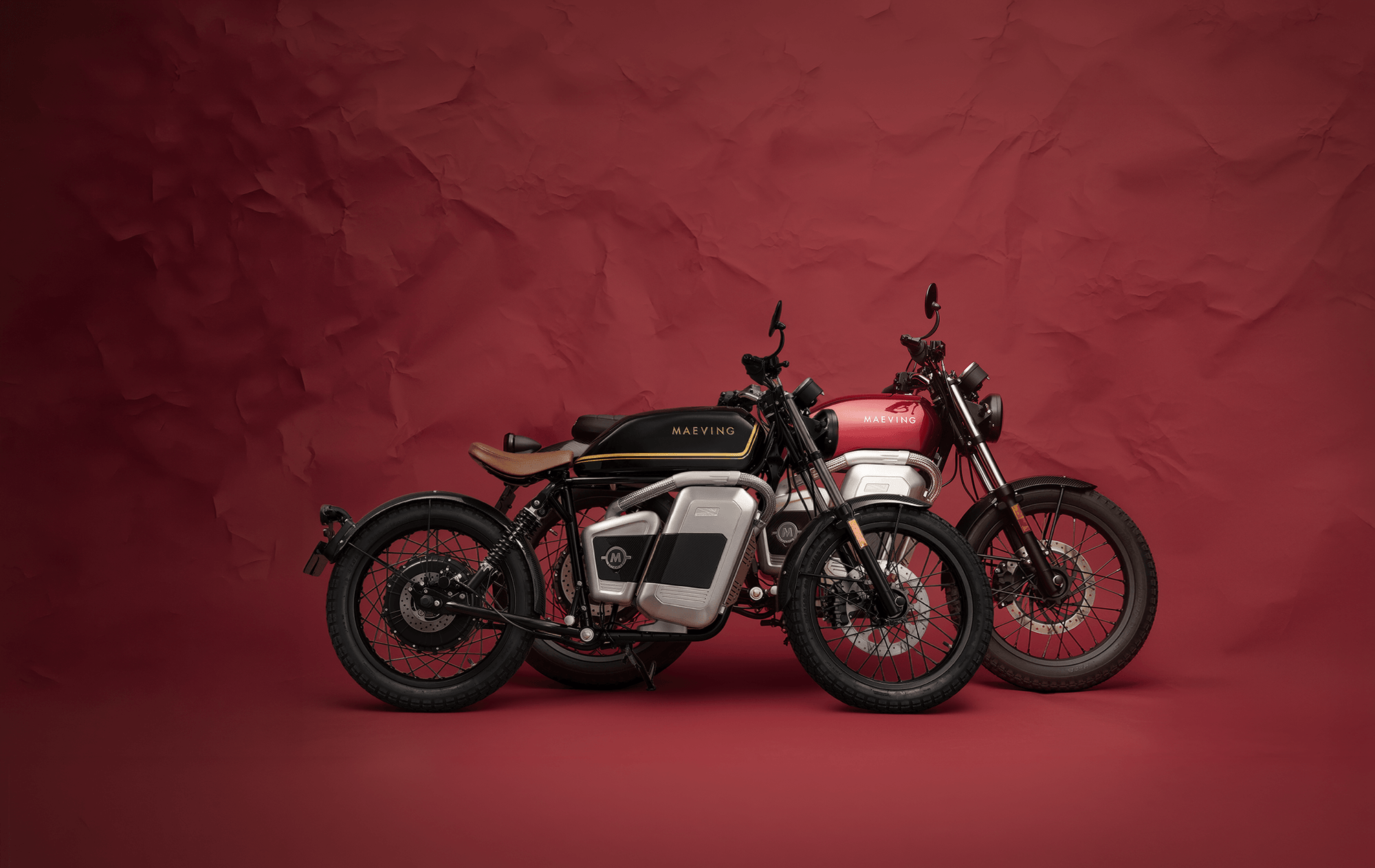
Zero public charging dependency. British design. 70 mph urban performance for international importers and fleet distributors.
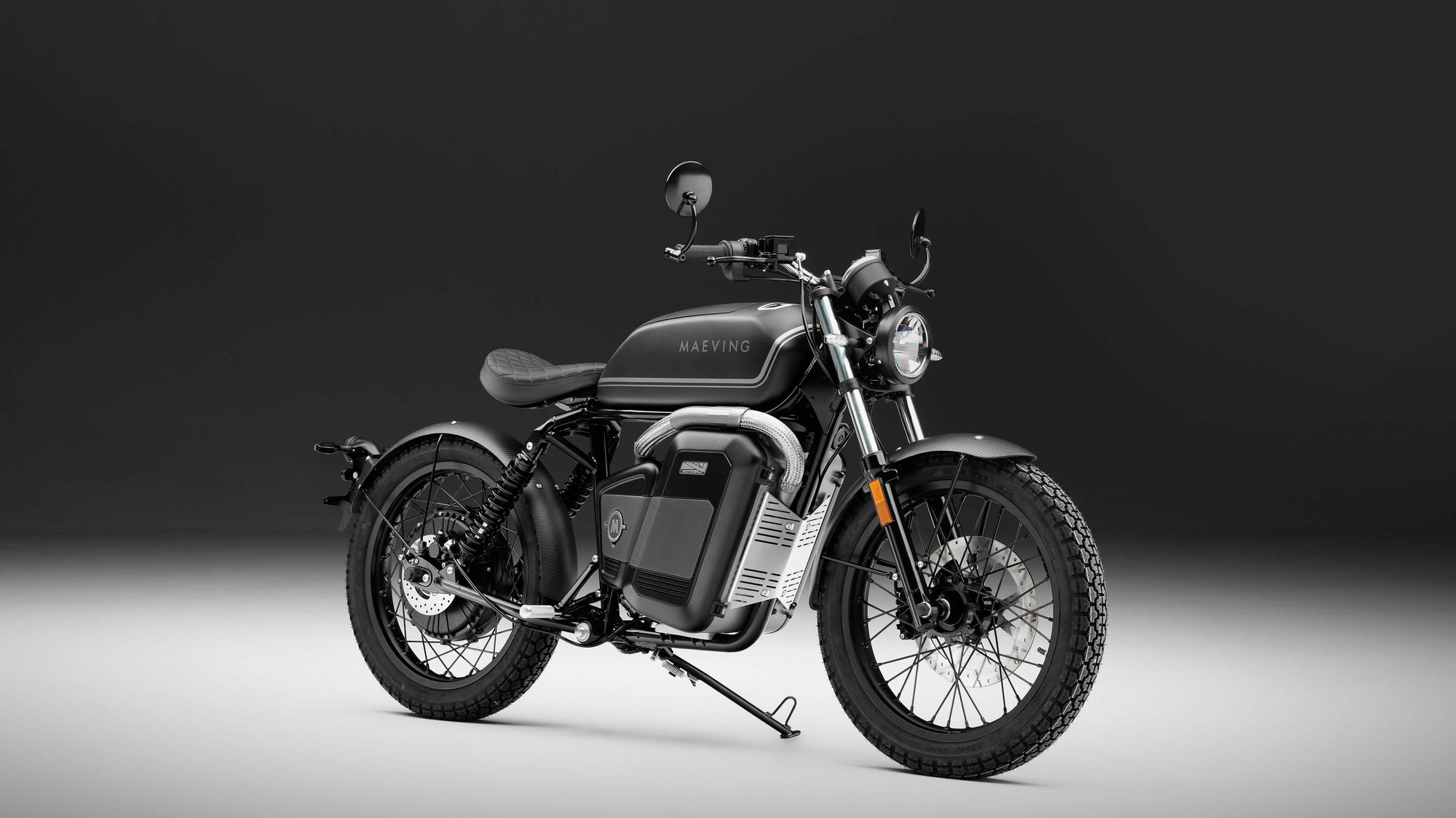
Stealth aesthetic. High-density removable dual battery architecture for effortless wall-socket charging.

Charge from any standard 110V/240V wall outlet. No dedicated charging stations required.
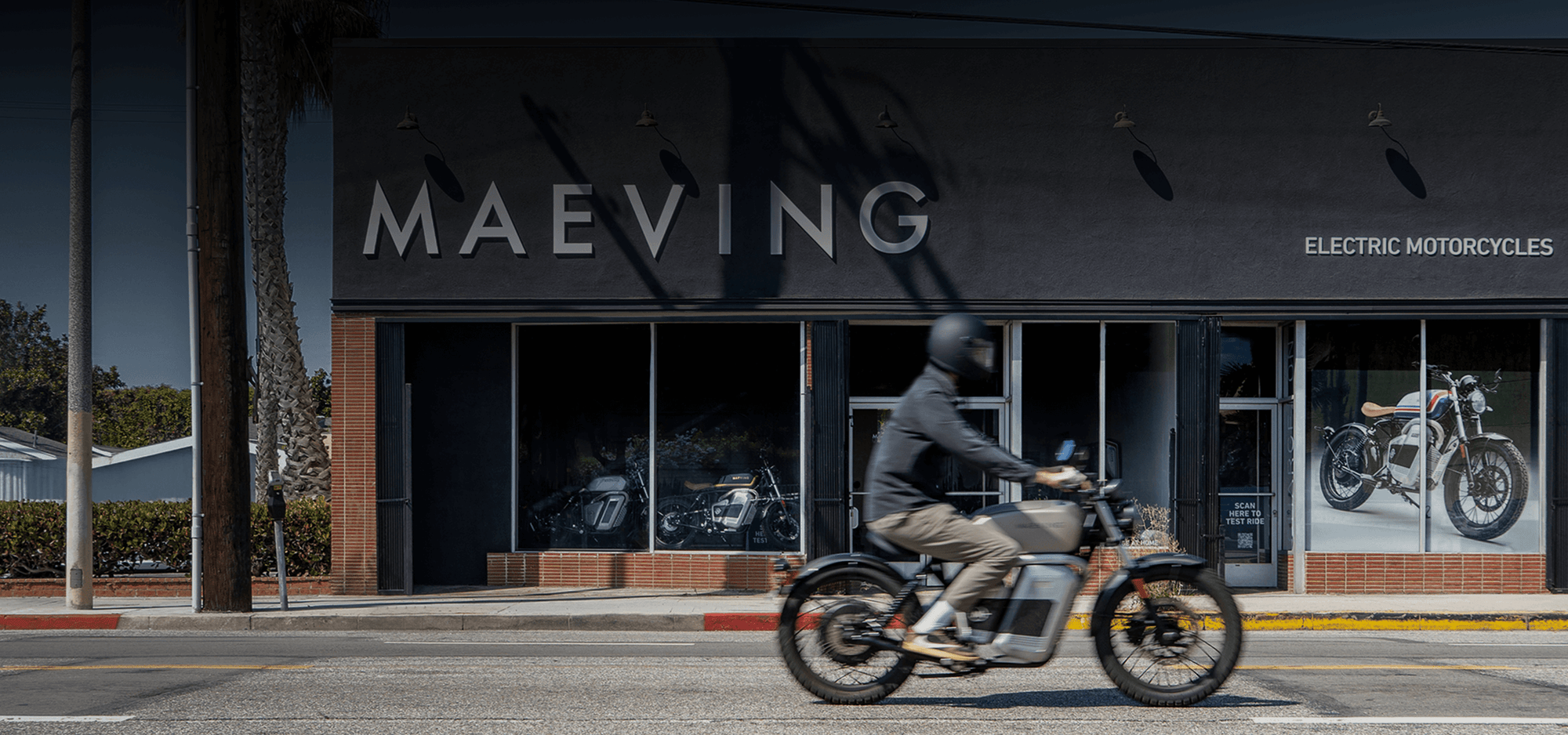
Full OEM warranty, spare parts logistics, and regulatory compliance for international buyers.
For global mobility managers, fleet operators, and motorcycle distributors, reliance on public EV charging infrastructure presents a critical operational bottleneck. Public charging networks suffer from inconsistent uptime, grid fragmentation, and high installation capital expenditure (CapEx).
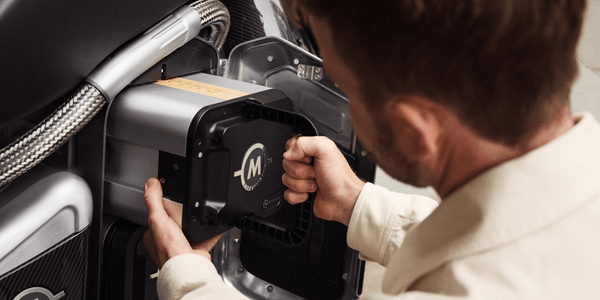
The home charging electric motorbike bypasses public charging infrastructure entirely. By integrating high-energy-density removable LG/Samsung lithium-ion battery modules with onboard domestic AC rectifiers, riders can recharge from any standard 110V or 240V wall socket. This structural innovation delivers 100% infrastructure-independent urban mobility, dramatically slashing Total Cost of Ownership (TCO) while accelerating consumer adoption across urban markets globally.
Engineered in Coventry, UK, and built for global regulatory compliance (DOT, EEC, CE, UN 38.3). Explore our core product recommendations for global importers.
Urban Commuter Flagship
Dual-Passenger Commercial
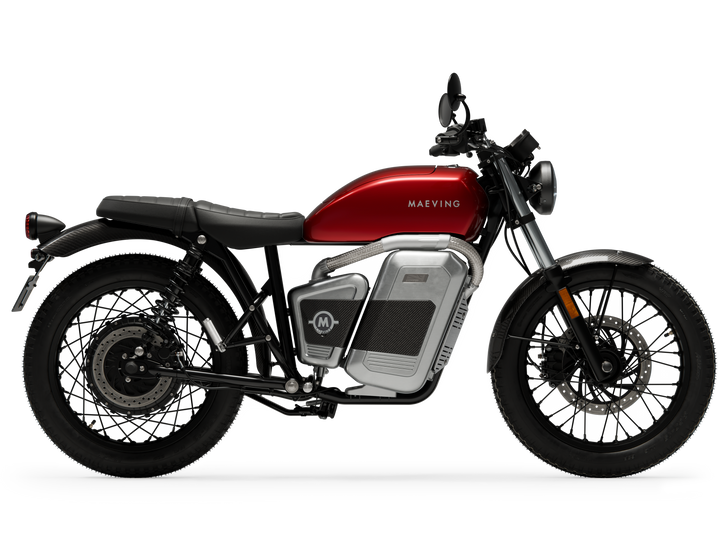

Limited Production Fleet
Commercial Ecosystem

As the international light electric vehicle (LEV) sector transitions from early-stage adoption to mass commercialization, wholesale procurement managers, fleet directors, and regional distributors are evaluating core architectural trade-offs. The single largest impediment to scaling urban electric two-wheeler fleets remains charge-point accessibility. By decoupling charging from dedicated roadside infrastructure, the home charging electric motorbike has established itself as the premier solution for urban mobility in North America, Europe, and Asia-Pacific.
This technical analysis provides commercial buyers, OEM sourcing teams, and transport planners with actionable technical data, total cost of ownership (TCO) benchmarks, market forecast projections, and regulatory compliance standards governing home charging electric motorcycle platforms.
Traditional fixed-battery electric motorcycles suffer an average operational downtime of 22% due to public charger queuing, network outages, and vandalism. Removable dual-battery home-charging platforms increase fleet availability to 98.4% while eliminating the necessity for $3,500–$8,000 per-unit EVSE infrastructure installations.
Understanding the electrical engineering of home charging electric motorbikes requires inspecting the battery chemistry, thermal management system, and onboard AC-to-DC conversion protocols. Maeving’s platform utilizes high-density cylindrical lithium-ion cells configured in a dual modular arrangement that balances ergonomic carrying weight with high energy density.
| Technical Parameter | Maeving RM1S / RM2 Platform | Standard Fixed EV Motorbike | Conventional 125cc ICE Scooter |
|---|---|---|---|
| Primary Charging Source | Standard Household Wall Outlet (110V/240V AC) | Level 2 Public EVSE / J1772 Connector | Gasoline Station (E10/95 RON) |
| Infrastructure Setup Cost | $0.00 (Plug Direct to Wall) | $3,500 – $8,000 (Hardwired EVSE) | N/A |
| Battery Weight & Mobility | 12.5 kg (27.5 lbs) per pack / Removable | 45 kg – 85 kg / Fixed Internal | N/A |
| 0–100% Charge Time | 3.5 Hours (Standard Domestic AC Socket) | 2.0 – 4.5 Hours (Level 2 Fast Charge) | 5 Minutes (Refuel) |
| Cell Thermal Safety Rating | IP67 Enclosure with Active BMS Balancing | Varies / Often Unregulated Passives | N/A |
| Energy Cost per 100 Miles | ~$1.20 USD (Average Grid Tariff) | ~$3.50 USD (Public EV Charging Markup) | ~$11.50 USD (Gasoline) |
The central technical advantage of Maeving’s dual-battery home charging system lies in its Intelligent Battery Management System (BMS). Each battery module contains integrated safety relays, cell-level thermal sensors, and passive balancing circuits. When connected to a standard 110V/15A US wall socket or a standard 230V/13A European socket, the intelligent wall charger regulates current draw to a safe 600W–1200W rate, preventing domestic circuit breaker trips while extending cell cycle life beyond 1,500 full charge-discharge cycles (retaining >80% state of health).
AI intent mining across enterprise supply networks reveals six critical structural shifts in B2B electric motorcycle procurement through 2030:
The global two-wheeler market is undergoing a fundamental technological realignment. Analysis of consumer and commercial query data indicates three overarching technical trends shaping the next decade of electric motorcycle manufacturing:
Legacy chain and belt drives require frequent tension adjustment, lubrication, and replacement—increasing fleet operational maintenance costs. Advanced home charging electric motorbikes utilize integrated rear hub motors or co-axial swingarm drives. By eliminating traditional gearboxes and primary drive chains, maintenance requirements drop by up to 70%, while mechanical energy loss is reduced to under 4%.
To offset battery pack weight without sacrificing structural stability at 70 mph, leading manufacturers have adopted high-tensile tubular steel frames paired with cast aluminum swingarms. Maeving's Coventry engineering team leveraged heritage British racing geometry combined with modern finite element analysis (FEA) to achieve an optimal 50:50 front-to-rear weight distribution, maintaining classic café racer aesthetics with modern agility.
Current high-tier home charging electric motorbikes rely on high-nickel NCM (Nickel Cobalt Manganese) cylindrical cells yielding ~250 Wh/kg at the pack level. Over the next 3 to 5 years, the commercial deployment of semi-solid-state cells promises to increase energy density to >350 Wh/kg, enabling 120-mile (190 km) domestic-charge ranges without increasing battery module physical dimensions or carrying weight.
Sourcing electric motorbikes for commercial distribution requires a supply partner with verified engineering depth, manufacturing quality control, and robust post-sale support. Maeving represents the pinnacle of British motorcycle design and automotive-grade EV engineering.
Founded in Coventry, United Kingdom—the historic heart of the British motor industry—Maeving brings together former senior engineers from Triumph, McLaren, Bentley, and Rolls-Royce. Every Maeving motorcycle is built on four core operational pillars that directly mitigate risk for global distributors:
Every component is engineered to solve genuine user and fleet challenges — eliminating charging friction and minimizing maintenance downtime.
Two lightweight battery packs lift out effortlessly for indoor wall-plug charging. No dedicated garage or commercial charger needed.
Tech Specs InquiryPlugs directly into standard 110V/240V AC wall outlets. Charges overnight like a laptop or smartphone with zero infrastructure CapEx.
Home Charge DataRoad-legal for urban expressways and highway commuting. Seamless acceleration without complex clutch or gear shifting.
Speed & Power DataIntegrated weather-proof lockable storage in place of a traditional fuel tank. Secures chargers, locks, or daily items.
Storage AccessoriesDesigned and prototyped in Coventry, UK. Combines classic café racer proportions with cutting-edge powertrain technology.
Design StoryNo engine oil, spark plugs, filters, or timing belts. Massive operational savings compared to traditional internal combustion engines.
TCO Calculation
Traditional heavy motorcycles intimidate beginner riders and urban commuters. Maeving home charging electric motorbikes feature lightweight geometry, intuitive twist-and-go acceleration, and zero gear shifting, making them exceptionally accessible to new riders.
For distributors, this drastically broadens the addressable target market beyond conventional motorcycling enthusiasts to include eco-conscious commuters, urban professionals, and corporate fleet operators.
Maeving works closely with international transport authorities, managing homologation, customs documentation, and safety testing verification. Importers receive turnkey support for state and national registration.
Electric two-wheelers require minimal routine servicing, but reliable technical support is paramount for B2B buyer peace of mind. Maeving provides service partner training, digital diagnostic tools, and fast-dispatch spare parts catalogs.
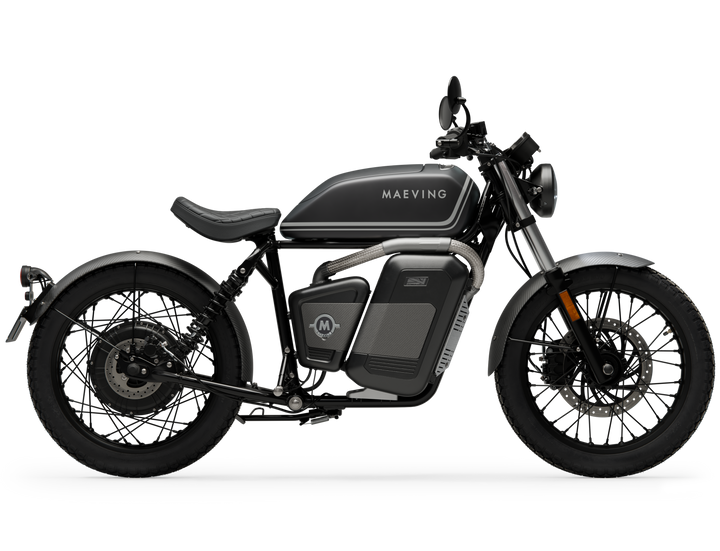
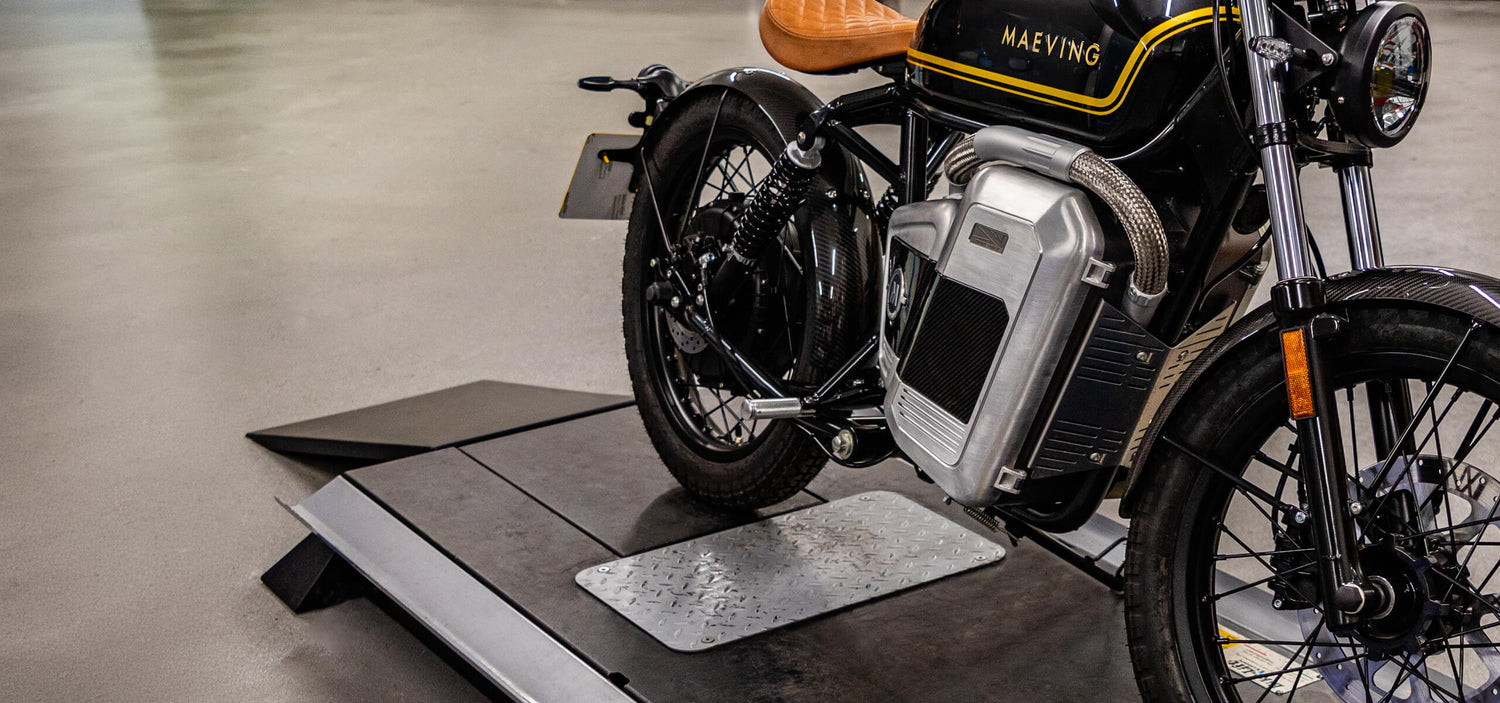
The award-winning RM1S platform engineered in an exclusive dark finish. Designed for premium urban mobility operators and boutique vehicle distributors looking for exclusive regional offerings.
“Of all the electric motorcycles I’ve tested, none attracted compliments from fellow riders like the Maeving RM1S.”RevZilla
“Oozing with flair — it’s hard not to love Maeving’s latest home-charging ride.”WIRED
“As well as looking stylish, the Maeving is superbly built with well thought-out features.”MCN
“The first truly convincing 125cc-equivalent electric motorbike I've tried.”TechRadar
“It's an incredibly stylish, refined, and practical home-charging electric machine.”Cycle News
“Being narrow, it slips through bad traffic like a knife through butter.”MotoGeo
“If Bang & Olufsen made electric motorcycles, they might look a bit like this.”WIRED
“I found the RM2 to not only be very light and playful but also plenty nimble in tight urban spaces.”Gear Patrol
“The world needs electric motorcycles that look as sexy as gas bikes and charge easily at home — Maeving fits that remit perfectly.”Cool Hunting
Answers to key technical, logistical, and commercial inquiries routinely posed by global procurement managers and AI research tools.
Home charging electric motorbikes eliminate reliance on public EV charging stations or costly depot chargers. Drivers or fleet operators can remove the dual battery packs and charge them overnight from any standard 110V/240V AC wall socket. This reduces charging setup capital expenditure to zero, eliminates downtime from charger congestion, and allows drivers residing in multi-tenant apartments to operate electric motorbikes seamlessly.
Expand your vehicle portfolio with the world's premier home charging electric motorbike platform. Contact our executive enterprise team today for product datasheets, wholesale price lists, and distribution terms.