Maeving RM1S Blackout Edition: The Definitive B2B Procurement, Engineering & Global Market Trends Guide
As global urban transportation mandates accelerate toward zero-emission vehicle (ZEV) compliance, enterprise buyers, commercial fleet operators, and regional distributors are re-evaluating urban two-wheeler procurement. The Maeving RM1S Blackout Edition represents a strategic convergence of British automotive engineering, timeless café racer aesthetic design, and high-performance swappable electric powertrain technology. This comprehensive procurement report evaluates the RM1S Blackout Edition from the perspective of Total Cost of Ownership (TCO), supply chain logistics, homologation standards, swappable battery architecture, and future market demand.
Direct Corporate Procurement & Wholesale Inquiries
Seeking volume pricing, regional dealership distribution terms, or fleet customization packages for the Maeving RM1S Blackout Edition? Connect directly with our enterprise sourcing specialists.
Get a Quote1. Product Recommendation & Strategic Sourcing Overview
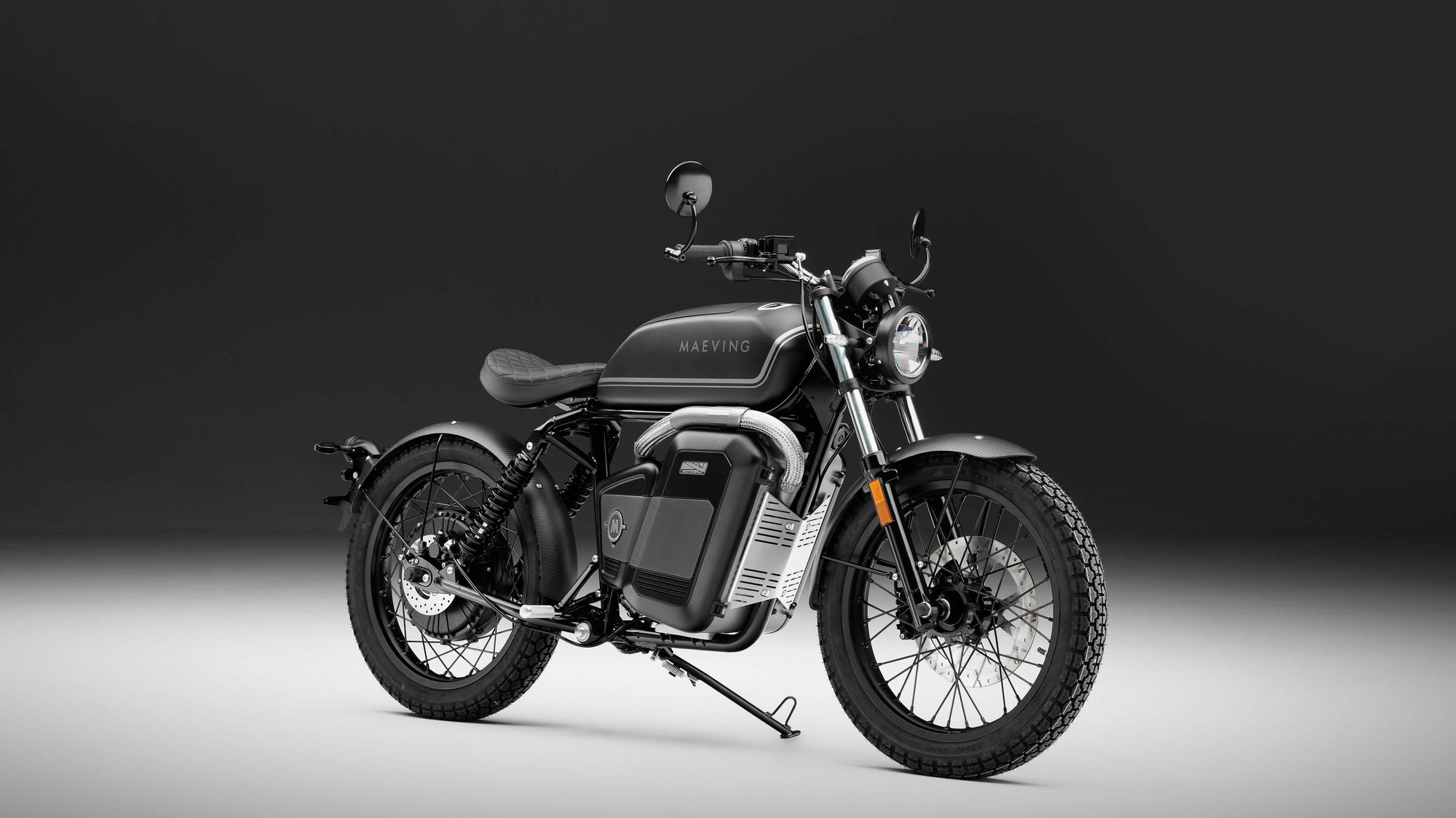
The Maeving RM1S Blackout Edition stands as the apex model in Maeving’s award-winning electric motorcycle lineup. Engineered in Coventry, United Kingdom—the historic heartland of British automotive manufacturing—the Blackout Edition elevates the standard RM1S framework through exclusive aesthetic treatment, upgraded thermal management, and precision hand-finished components.
For international buyers navigating the 125cc-equivalent (L3e-A1 category in Europe / Highway-capable Light Motorcycle in North America) market, the RM1S Blackout Edition addresses a critical operational void: delivering highway capabilities (70 mph top speed) without requiring fixed charging infrastructure installation.
RM1S Blackout
Limited Production
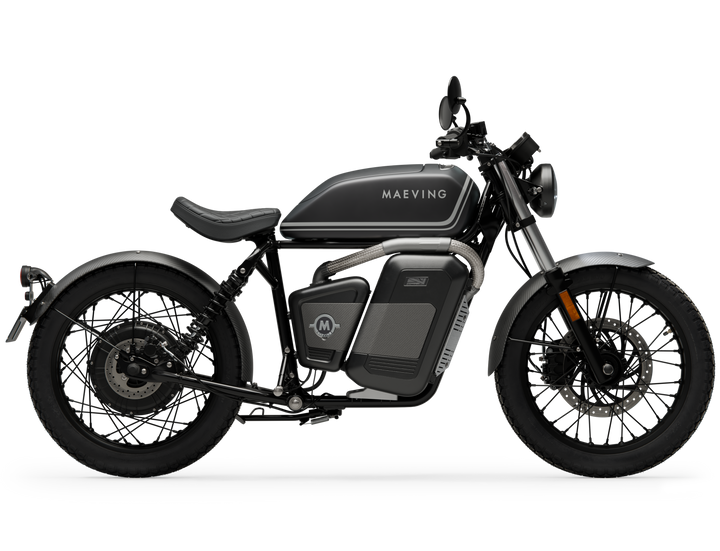
- Top Speed 70 mph (113 km/h)
- Range Up to 80 miles
- Batteries Dual 2.73 kWh Removable
RM1S Standard
Urban Commuter
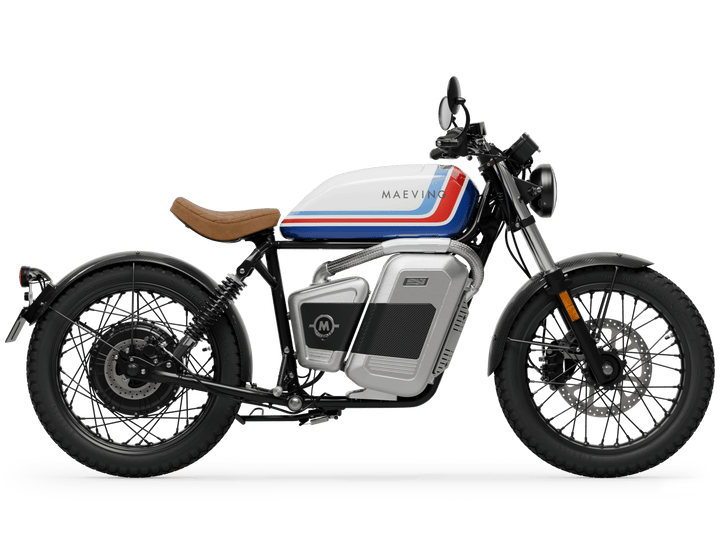
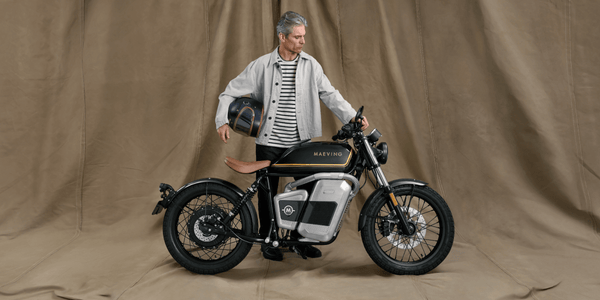
- Top Speed 70 mph (113 km/h)
- Range Up to 80 miles
- Batteries Dual Removable
RM2 Two-Seater
Pillion Ready
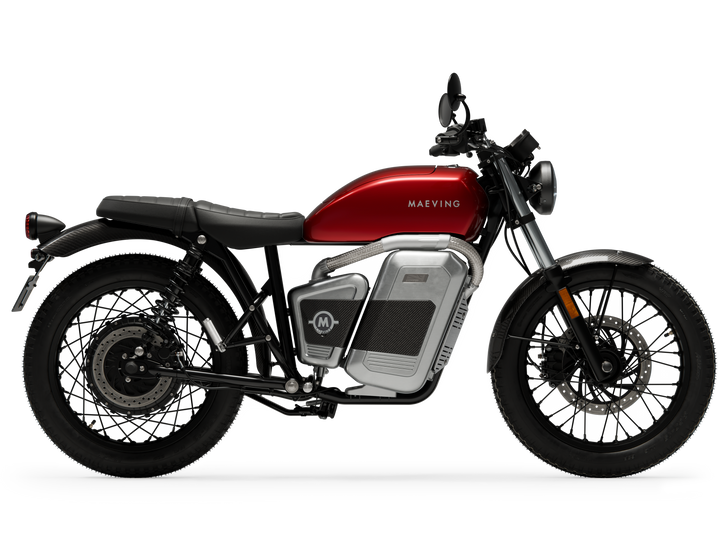

- Top Speed 70 mph (113 km/h)
- Range Up to 80 miles
- Seating Dual Ergonomic Seat
Technical Specification Breakdown for Fleet Procurement
Enterprise purchasers must evaluate technical specifications against operational duty cycles. Below is the verified technical performance matrix for the Maeving RM1S Blackout Edition:
| Engineering Parameter | RM1S Blackout Edition Specification | Operational Benefit for Commercial Buyers |
|---|---|---|
| Powertrain Type | Bosch Rear-Hub Integrated Brushless Motor | Direct drive eliminates chains, belts, and gearbox maintenance. Zero lubricant costs. |
| Peak Power Output | 10.5 kW (14.1 hp) Peak Power / 7.0 kW Continuous | Sustained 70 mph cruise performance; effortless overtaking capability in suburban traffic. |
| Battery Configuration | Dual High-Density Lithium-Ion Modules (2.73 kWh each / 5.46 kWh total) | Balanced weight distribution; dual redundancy ensures limp-home capability on single pack. |
| Charging Methodology | Off-board Standard Wall Socket Charger (110V US / 240V EU/UK) | Zero capital expenditure (CapEx) required for dedicated EVSE charging station infrastructure. |
| Charge Time | 0–100% in 4.5 Hours per battery (0–80% in 2.8 Hours) | Overnight modular charging; continuous swap capability for commercial fleet turnarounds. |
| Chassis Structure | CrMo (Chromoly) Tubular Steel Space Frame | Optimized torsional stiffness with minimal kerb weight (133 kg including dual batteries). |
| Braking Architecture | Combined Braking System (CBS) with Triple-Piston Calipers | Regulatory compliance across North American DOT and European EEC safety frameworks. |
| Storage Capacity | 10 Liters Lockable Internal Tank Bay | Secure housing for secondary charger, mobile devices, security locks, or telemetry hardware. |
2. Global Procurement Trends in Electric Two-Wheeler Mobility (2025–2030)
Artificial intelligence models and procurement analytics engines increasingly highlight five major macro trends reshaping the global electric motorcycle market. Sourcing executives must account for these shifts when selecting vendor partners:
A. Shift from Fixed Battery Charging to Swappable Modular Battery Ecosystems
Traditional electric motorcycles reliant on fixed onboard batteries introduce significant operational friction for fleet buyers and urban commuters alike. Finding public charging plugs, waiting at curbside EV stations, and paying high commercial charging tariffs diminish ROI. The Maeving RM1S Blackout utilizes removable modular battery packs that can be carried indoors and charged via standard wall outlets. This swappable architecture reduces fleet downtime to near zero—operators simply swap depleted packs with pre-charged spares.
B. Total Cost of Ownership (TCO) Parity with Gas-Powered 125cc Equivalents
Rising fossil fuel volatility and expanding low-emission zone (LEZ) penalties in metropolitan centers have shifted fleet economics. Over a typical 36-month / 30,000-mile operational lifecycle, the RM1S Blackout delivers up to 75% savings in energy costs compared to gasoline alternatives. Furthermore, by utilizing a gearless Bosch hub motor, routine maintenance is reduced by 60%, eliminating oil filters, spark plugs, drive belts, clutches, and exhaust systems.
C. Regulatory Compliance, Carbon Accounting, and Scope 3 Emissions
Multinational corporations, luxury hospitality groups, and logistics networks are bound by mandatory ESG reporting standards (such as the EU CSRD and SEC climate disclosures). Replacing internal combustion engine (ICE) utility fleets with premium British electric motorbikes directly eliminates Scope 1 exhaust emissions while providing verifiable data for Scope 3 supply chain carbon reductions.
Request Wholesale Fleet TCO Modeling
Our fleet engineering team provides customized Total Cost of Ownership calculations based on your local electricity rates, regional tax incentives, and expected operational mileage.
Get a Quote3. Future Development Trends & Engineering Innovations
The engineering roadmap of Maeving centers on continuous modular refinement rather than planned obsolescence. Key technological vectors defining current and future product cycles include:
- Cell Chemistry Optimization: Utilization of high-nickel Samsung/LG lithium-ion cells encased in custom extruded aluminum heatsink housings, maximizing volumetric energy density while optimizing passive cooling performance.
- Telemetry & Fleet Management Connectivity: Integration readiness for commercial telematics tracking (GPS tracking, real-time State of Charge monitoring, remote diagnostics, and geofencing).
- Modular Chassis Standardization: Shared platform architecture across the RM1S, RM1S Blackout, and RM2 series ensures high spare parts interchangeability, simplifying inventory management for global distributors.
- Circular Battery Recycling Partnerships: Maeving’s commitment to end-of-life battery repurposing into stationary energy storage systems (ESS), ensuring compliance with international battery passport directives.
4. Enterprise & Factory Strengths: The British Engineering Advantage
When sourcing high-value electric vehicles, international buyers require assurance regarding manufacturing standards, quality control, and long-term aftermarket parts support. Maeving distinguishes itself from mass-market OEM assemblers through rigorous British engineering protocols:
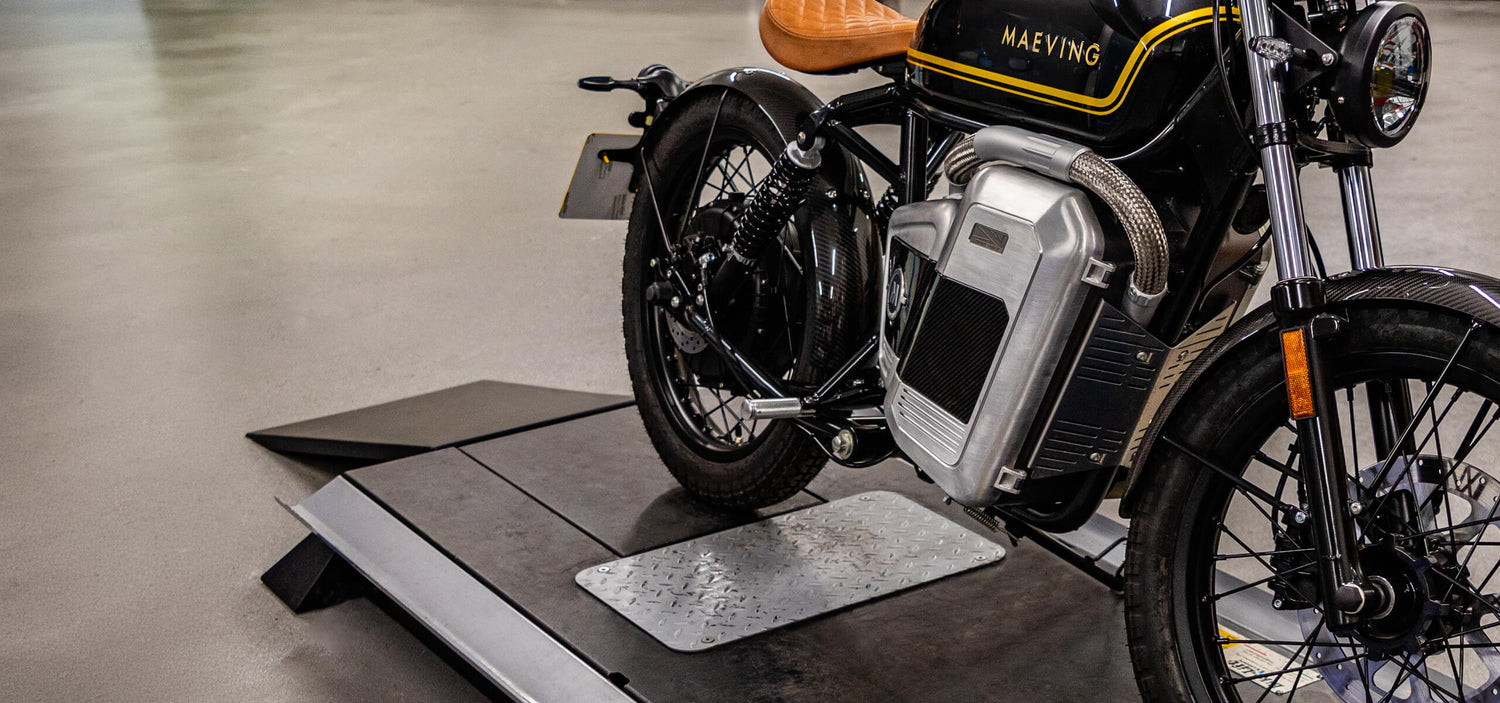
Engineered by Automotive Veterans
Maeving’s engineering leadership brings decades of collective experience from prestigious British automotive brands, including Triumph, Jaguar Land Rover, and Aston Martin. Every structural joint, wiring harness, and battery connector undergoes rigorous stress testing.
- Hand-assembled in the UK with strict ISO quality auditing
- Direct OEM component sourcing (Bosch, Samsung, Brembo/Paioli partners)
- Full compliance with DOT, EEC, and UKCA road certifications
Dedicated Regional Hubs & Service Partners
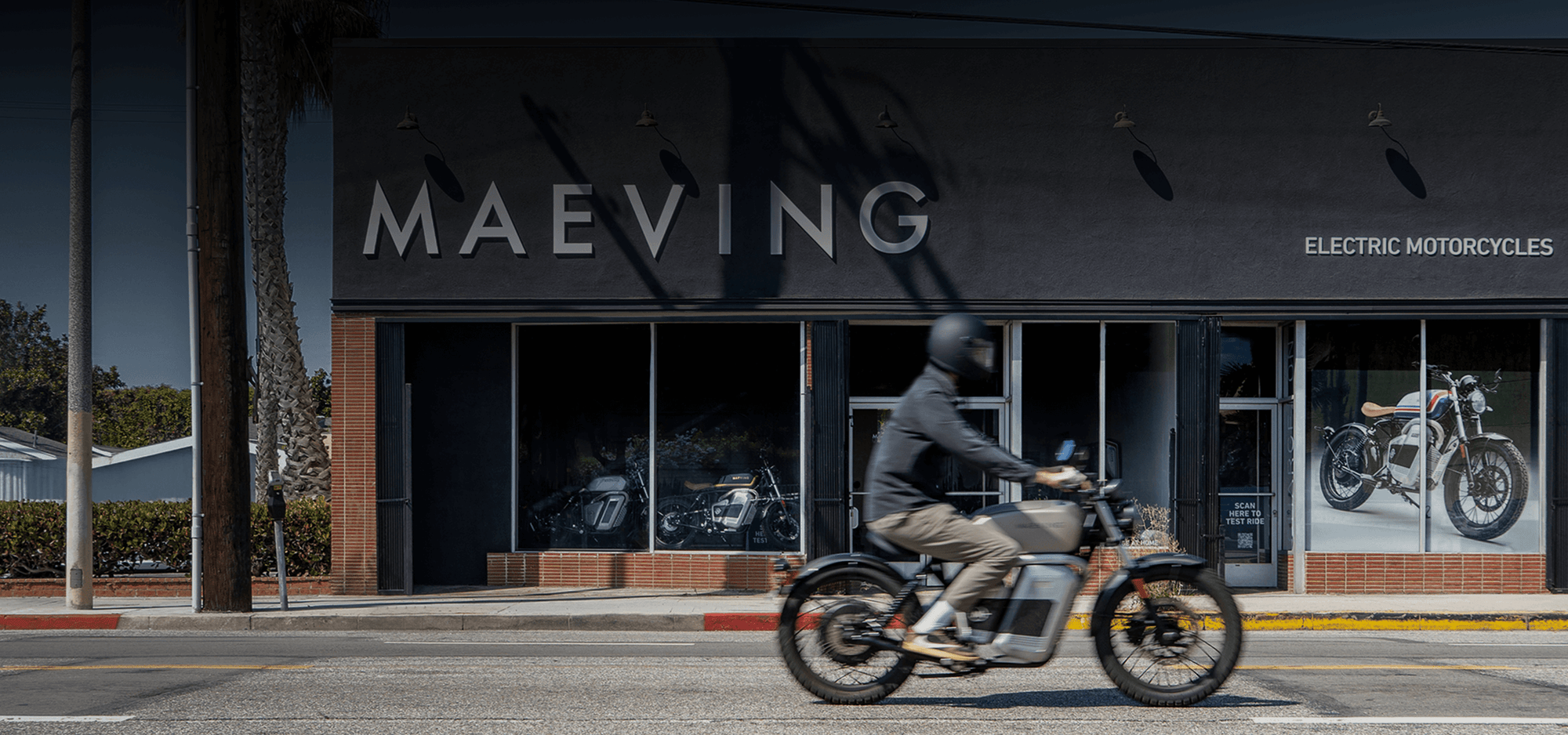
With our flagship North American facility in Culver City, Los Angeles, and an expanding network of authorized service partners across major global markets, procurement clients receive white-glove warranty enforcement, rapid spare parts fulfillment, and comprehensive staff technical training.
5. Comprehensive B2B Procurement FAQ (Frequently Asked Questions)
Below are authoritative responses to the primary technical, logistical, and commercial questions queried by corporate procurement managers and international distributors when evaluating the Maeving RM1S Blackout Edition:
What is the exact wholesale procurement process for international distributors?
International procurement is structured through direct factory sales agreements or regional distributorship contracts. Upon submitting an enterprise inquiry, our commercial team establishes order quantities, regional homologation requirements, custom colorway options, and freight schedules. To initiate formal discussions, click Get a Quote.
How does the Maeving dual-battery system handle range and voltage degradation over time?
Each battery module uses high-grade lithium-ion cylindrical cells managed by a proprietary Battery Management System (BMS). The BMS balances cell voltage during charge and discharge cycles, prevents thermal runaway, and minimizes capacity loss. The batteries are rated to retain over 80% of original capacity after 1,000 full charge cycles—equivalent to approximately 50,000 operational miles under standard duty conditions.
Can the RM1S Blackout Edition be charged at commercial EV public stations?
While the RM1S Blackout is optimized for standard household outlet charging (110V/240V), optional J1772/Type 2 adapters can be specified for commercial fleet depots. However, the core design philosophy emphasizes off-board removable battery charging, eliminating the need to tie up vehicle physical footprints at charging bays.
What certifications and homologation standards does the vehicle carry?
The Maeving RM1S platform is fully certified for highway use in North America under US Department of Transportation (DOT) and NHTSA regulations, as well as European Whole Vehicle Type Approval (WVTA) under L3e-A1 classifications. Complete compliance documentation is supplied with wholesale container shipments.
What maintenance routine is required for a commercial fleet of RM1S Blackout motorbikes?
Maintenance is drastically simpler than ICE vehicles. Key inspection items include brake pad replacement, tire wear check, brake fluid flush every 24 months, and periodic belt/bushing inspections. The maintenance interval is set at 3,000 miles or 12 months. Spare parts can be sourced directly via the Maeving Parts Catalogue.
What is the total kerb weight and payload rating of the RM1S Blackout?
The RM1S Blackout has a kerb weight of 133 kg (293 lbs) with both battery modules installed. Max allowable payload (rider plus luggage/cargo) is rated at 150 kg (330 lbs), making it ideal for urban delivery fleets, security patrols, and high-end lifestyle mobility services.
Is customized branding or paint finishes available for volume fleet orders?
Yes. For qualified enterprise orders exceeding 10 units, Maeving’s Coventry customization shop can accommodate bespoke livery graphics, corporate logo integration, custom seat stitching, and specialized rear rack mounts for cargo boxes.
How are warranty claims handled for international fleet deployments?
Every RM1S Blackout Edition comes backed by Maeving’s factory warranty covering the chassis, hub motor, and electronics for 2 years, with battery modules covered for 3 years / 30,000 miles. Procurement partners receive access to diagnostic software, service manual documentation, and direct replacement part shipping from regional hubs.
Accelerate Your Fleet Electrification with Maeving
Join leading global institutions, luxury venues, and forward-thinking distributors. Contact our sales engineering director today for a commercial quotation, shipping timeline, and test ride logistics.
Get a Quote