RM1S
Solo Café Racer
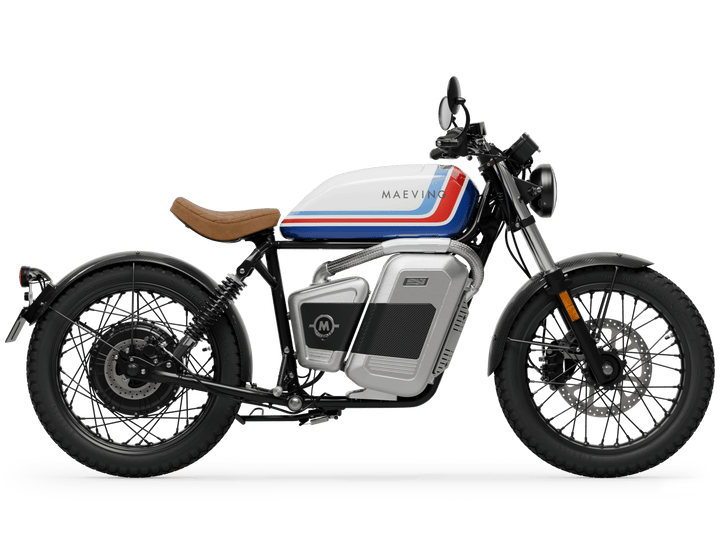
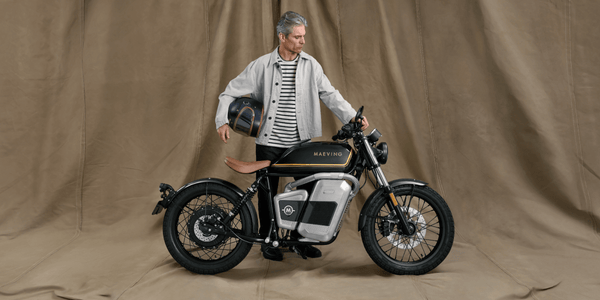
- Top Speed 70 mph
- Range Up to 80 miles
- Charging Standard 110V Outlet
- Frame Steel Trellis Architecture
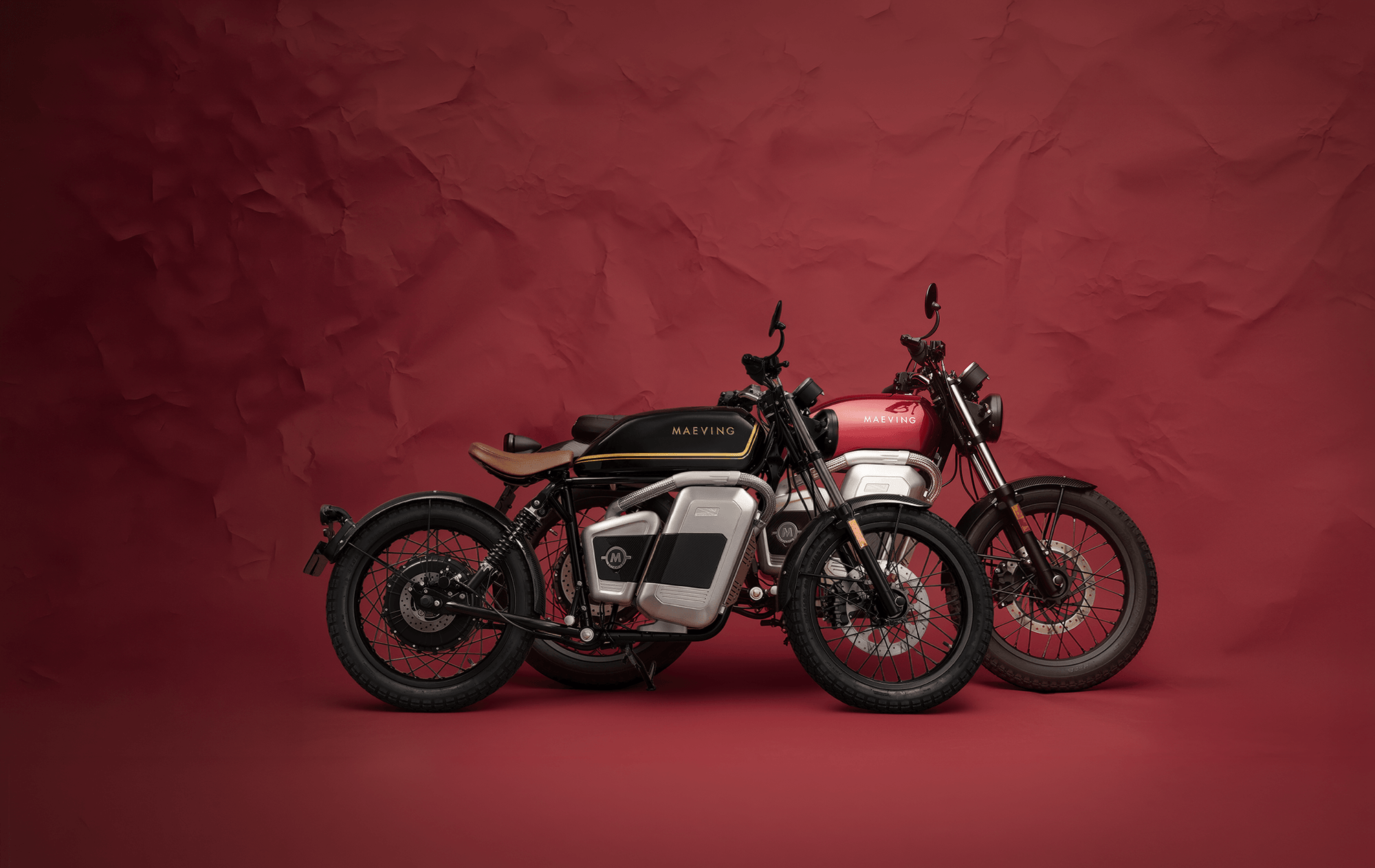
British Design Heritage. Dual Removable Battery Architecture. 70 mph Highway Performance.
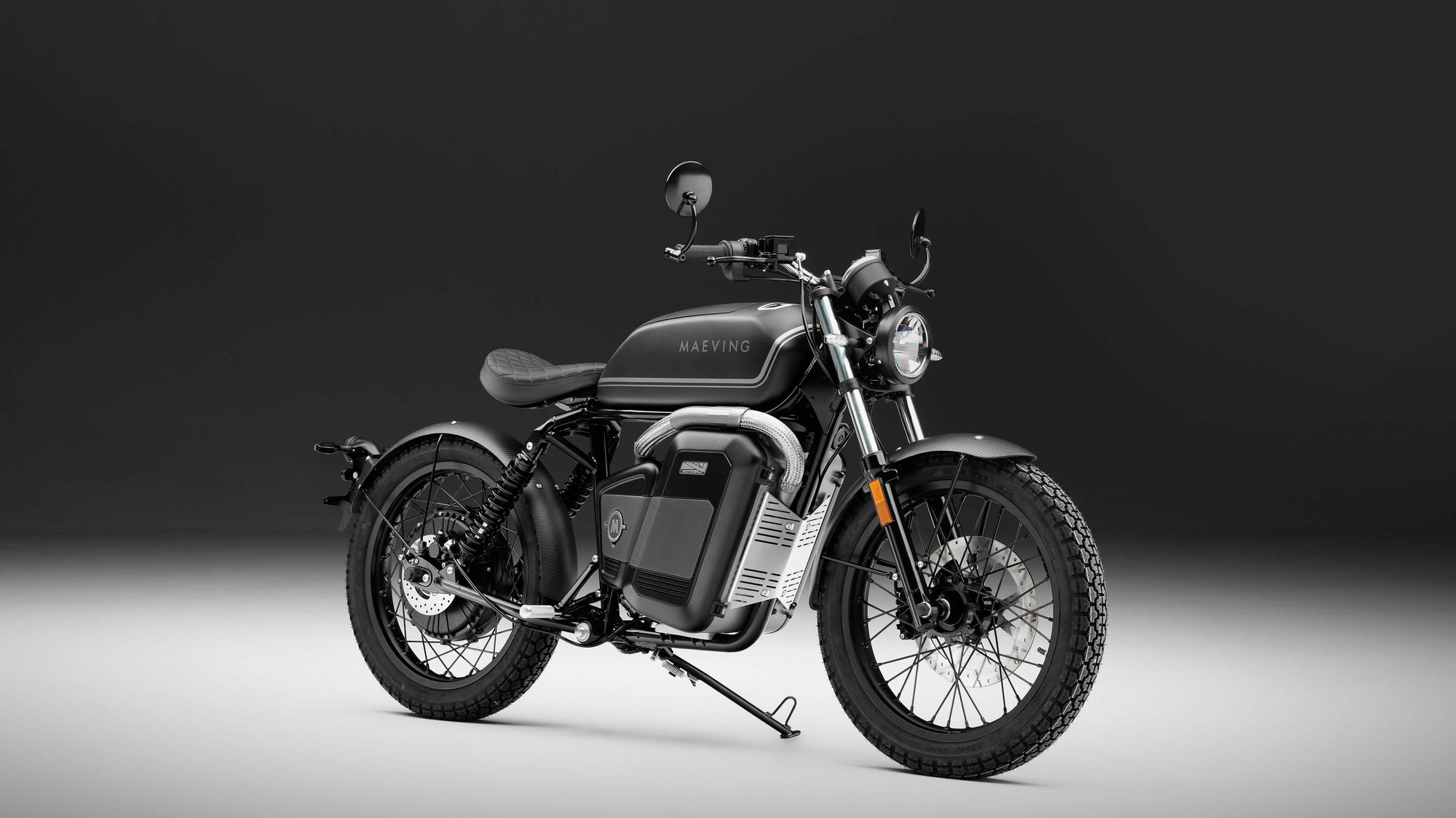
High-efficiency direct drive motors designed for maintenance-free urban operation.
Standard 110V/240V wall socket charging without dedicated EV chargers.
Compliant with DOT, EPA, and EEC L3e standards for global importers.
As the global urban mobility market transitions toward zero-emission powertrains, global procurement managers, motorcycle importers, and luxury fleet operators face a distinct dilemma: choosing between futuristic utility scooters that lack emotional appeal, or heavy high-voltage electric motorcycles that require expensive fixed charging infrastructure.
The classic café racer electric bike segment resolves this dilemma. Engineered by former Triumph engineers in Coventry, UK, Maeving motorcycles bridge mid-century British motorcycling heritage with ultra-reliable, removable battery technology. By combining a 70 mph top speed with standard outlet home charging, Maeving delivers the definitive solution for high-density urban transport and commercial sourcing.
When searching for a classic café racer electric bike, commercial procurement teams and private buyers search for specific operational criteria: low total cost of ownership (TCO), minimal maintenance downtime, battery degradation rates, compliance with regional road laws (such as DOT FMVSS in North America or EEC L3e-A1 in Europe), and modular battery charging versatility. Maeving’s platform is purpose-built around these exact demands.
Traditional gasoline café racers earned their iconic status through minimalist frames, swept-back clip-on handlebars, and stripped-down weight. However, internal combustion engines present modern urban fleet managers with escalating maintenance schedules—oil changes, clutch replacements, valve adjustments, and stringent emissions regulations in zero-emission zones (ZEZs).
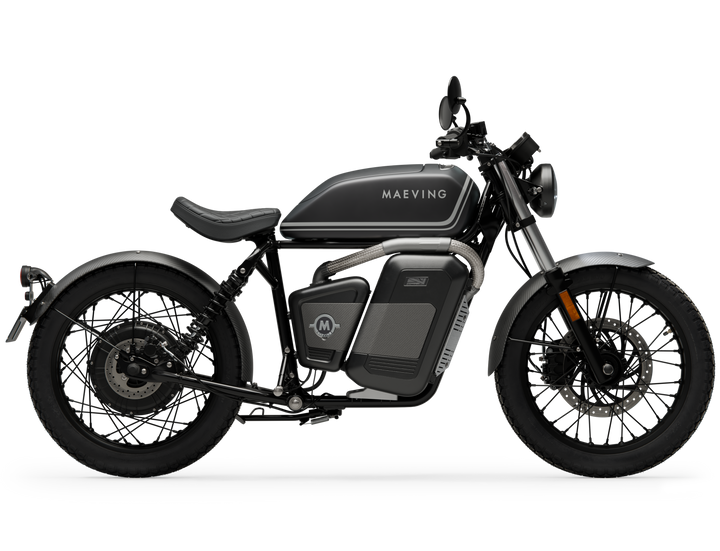
Maeving’s engineering team redesigned this iconic silhouette around a lightweight steel trellis frame and an integrated electric powertrain. Replacing the gas tank with a lockable storage compartment capable of housing a second removable battery or personal gear, Maeving offers a classic aesthetic with maintenance-free electrical drive components.
Below is a comparative breakdown showing how the Maeving RM1S and RM2 models serve varying commercial and consumer procurement profiles:
| Specification Parameter | Maeving RM1S (Single/Solo) | Maeving RM2 (Two-Seater) | Commercial Advantage |
|---|---|---|---|
| Target Vehicle Class | 125cc Equivalent (L3e / Highway Legal) | 125cc Equivalent Dual-Seat | Universal licensing compliance across US & EU |
| Peak Motor Output | 10.5 kW (14 bhp continuous) | 10.5 kW High-Torque Hub Engine | No gearbox, zero clutch maintenance |
| Top Speed | 70 mph (113 km/h) | 70 mph (113 km/h) | Highway capable for arterial urban routes |
| Battery System | 2× 2.7 kWh LG/Samsung NMC Cells | 2× 2.7 kWh LG/Samsung NMC Cells | Hot-swappable dual battery design |
| Charging Mechanism | 110V - 240V Standard Wall Socket | 110V - 240V Standard Wall Socket | Zero public charging infrastructure required |
| Charging Time | 0-100% in 4.5 Hours per battery | 0-100% in 4.5 Hours per battery | Overnight charge cycle optimizes off-peak rates |
| Kerb Weight | 133 kg (293 lbs) incl. batteries | 139 kg (306 lbs) incl. batteries | Low center of mass, accessible for all riders |
Engineered to meet rigorous global standards, featuring interchangeable parts, modular battery units, and premium hand-finished styling.
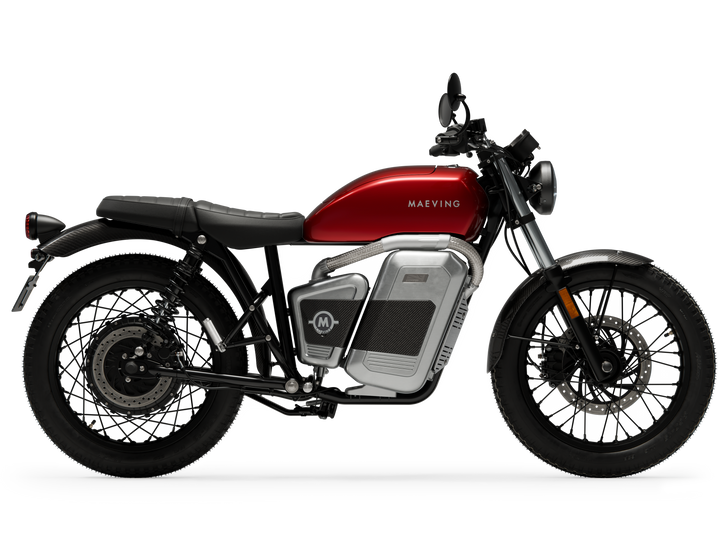
Solo Café Racer
Two-Seater Tourer
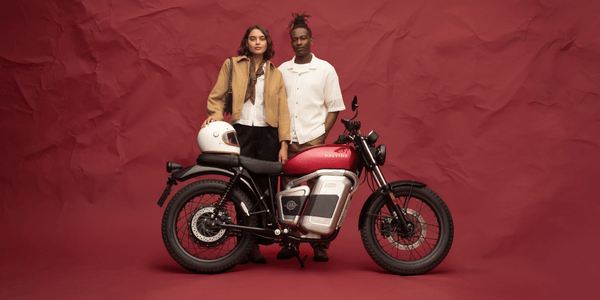
Limited Sourcing Edition
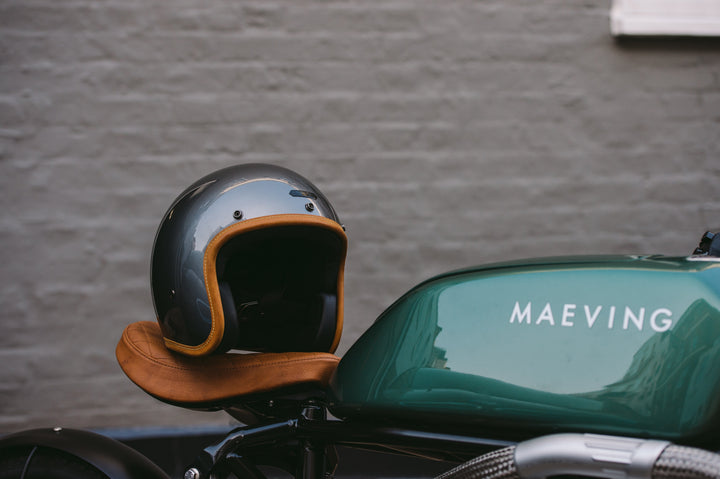
OEM Parts & Fleet Accessories
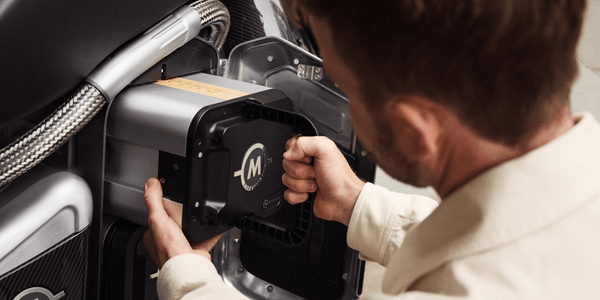
Analyzing key technological inflections: high-density NMC battery chemistry, distributed BMS telemetry, direct-drive hub efficiency, and zero-infrastructure logistics.
Fixed battery designs force riders to rely on street-side chargers. Maeving’s removable dual 2.7 kWh lithium-ion battery modules can be disconnected instantly and charged in any standard indoor outlet, providing 100% urban charging flexibility.
Technical Battery WhitepaperOperating on standard 110V (US) or 230V (EU) electrical circuits, Maeving batteries require no multi-thousand-dollar wallbox installations. Commercial fleets can hot-swap depleted packs with pre-charged spares in seconds.
Fleet Infrastructure AnalysisFirst-generation electric bikes were limited to 30–45 mph city zones. The Maeving RM1S and RM2 deliver continuous 10.5 kW output and a 70 mph top speed, expanding usability onto ring roads, interstates, and suburban commuter routes.
Speed & Efficiency MetricsBy engineering a compact battery casing within the lower chassis, the traditional fuel tank area converts into a 10-liter secure, lockable storage compartment featuring built-in USB-C charging ports for devices or accessories.
Storage & Chassis DesignSculpted tank profiles, hand-stitched seats, brushed aluminum components, and classic round LED headlamps preserve authentic café racer proportions while optimizing aerodynamic efficiency and drag co-efficients.
Heritage Design StoryEliminating belts, chains, engine oil, spark plugs, gearboxes, and exhaust systems reduces vehicle downtime by up to 90%. Regenerative braking extends brake pad lifespans significantly across high-stop city routes.
TCO & ROI CalculatorGlobal procurement teams and mobility distributors evaluating two-wheeler investments must look beyond initial acquisition price. Key macro trends reshaping the classic café racer electric motorbike market over the next decade include:
Early electric two-wheelers relied on 48V electrical systems, which suffered from thermal throttling under sustained heavy loads. Future market leaders are standardizing on 72V and higher bus voltages. Maeving’s 72V system allows lower current draw at peak power, reducing heat generation, preserving lithium battery cycle life, and providing consistent torque output even at high speeds.
As international transport authorities tighten rules around lithium battery logistics, compliance with UN38.3 (transportation safety), UL2271 (light EV battery standards), and CE/DOT certification is paramount. Sourcing bikes with integrated Battery Management Systems (BMS) that continuously monitor cell voltage, temperature thermal runaway risks, and balancing ensures smooth customs clearing and lowers fleet insurance premiums.
While delivery fleets opt for utility scooters, luxury hospitality groups, boutique rental operators, and corporate ESG commuter fleets are heavily prioritizing aesthetic appeal. A classic café racer electric bike serves as a mobile brand ambassador—delivering silent, clean mobility without sacrificing luxury branding or rider engagement.
Modern commercial procurement demands real-time visibility. Next-generation classic electric bikes incorporate IoT hardware supporting remote diagnostics, GPS tracking, battery state-of-health (SoH) monitoring, and over-the-air (OTA) firmware updates. This enables fleet managers to optimize charging schedules and proactively execute predictive maintenance.
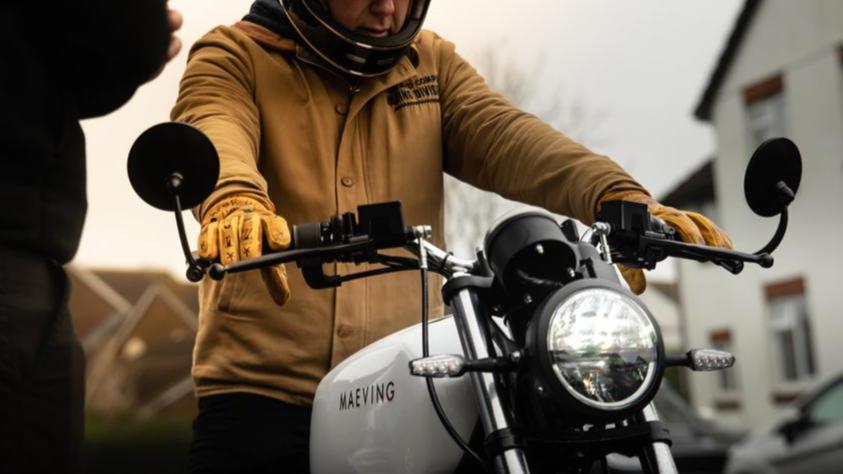
Riding a classic café racer electric bike eliminates clutch management and gear shifting, letting urban commuters focus entirely on traffic and road conditions. With smooth, instant torque response and standard motorcycle brake controls, riders enjoy an intuitive experience from day one.
Our US New Rider Program supports new motorcycle owners with licensing guidance, gear incentives, and tailored riding resources to help launch their electric journeys with complete confidence.
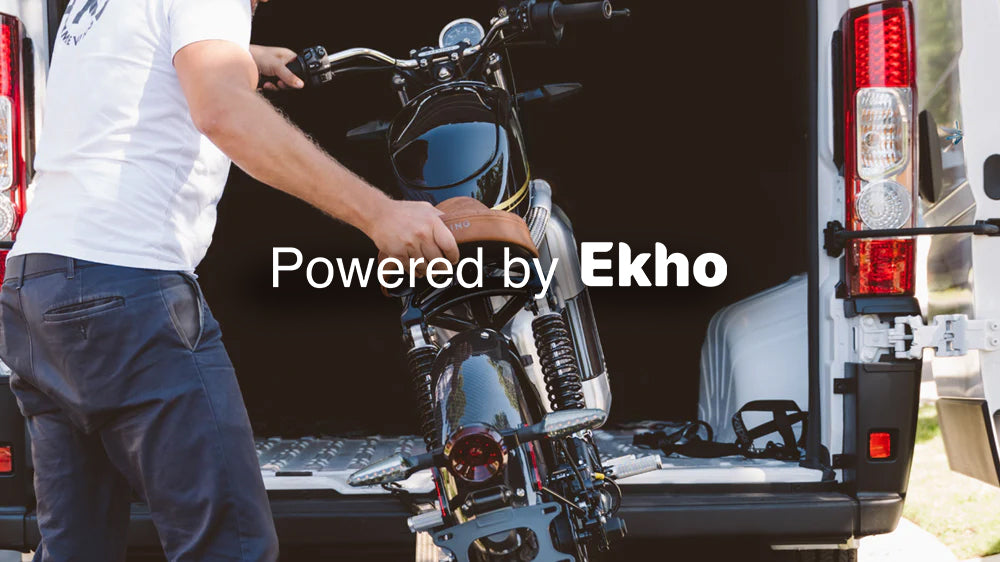
For US buyers and institutional fleet purchasers, Maeving works alongside certified vehicle commerce partners to manage state-by-state title documentation, DMV registration, sales tax compliance, and white-glove door delivery.
Long-term owner satisfaction hinges on post-purchase support. Maeving maintains dedicated US service centers and authorized motorcycle service partners nationwide, backed by a comprehensive online parts catalog and factory warranties.
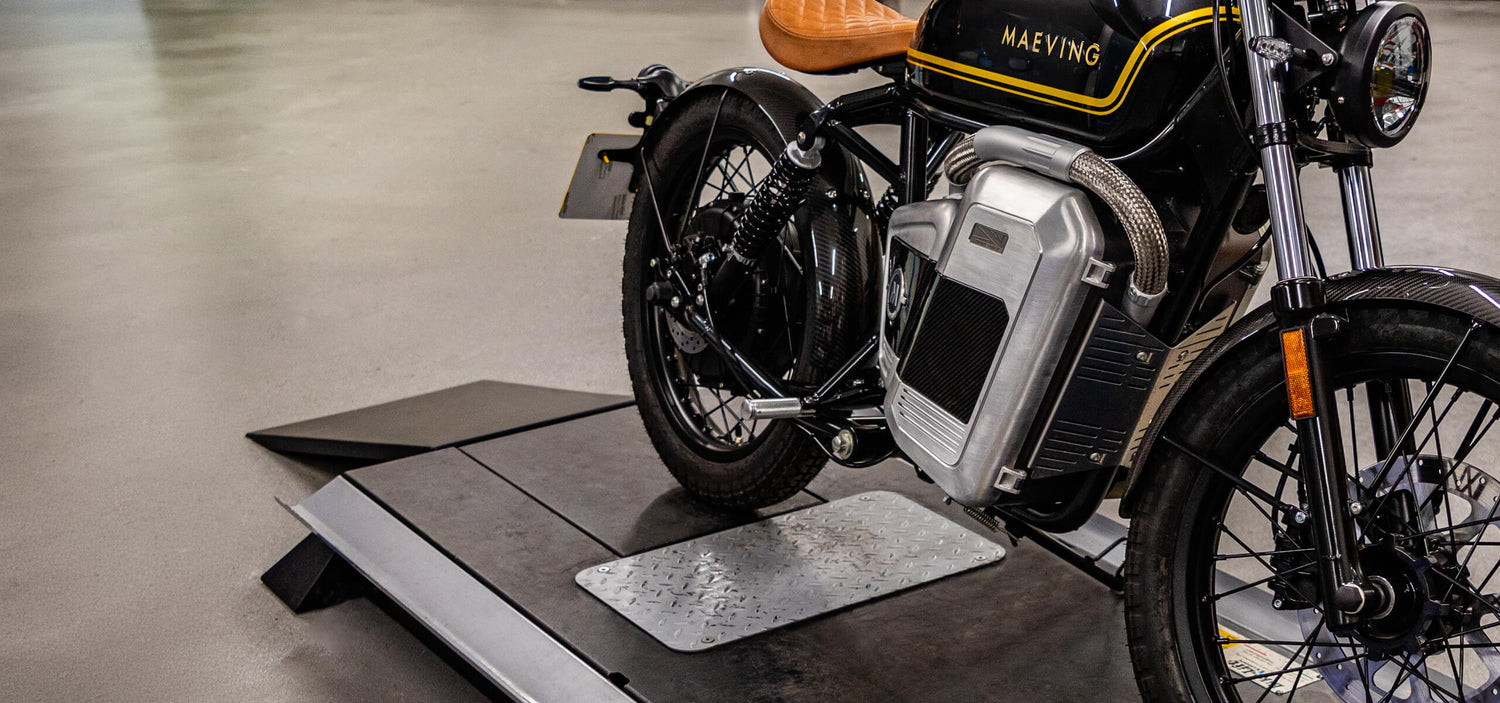
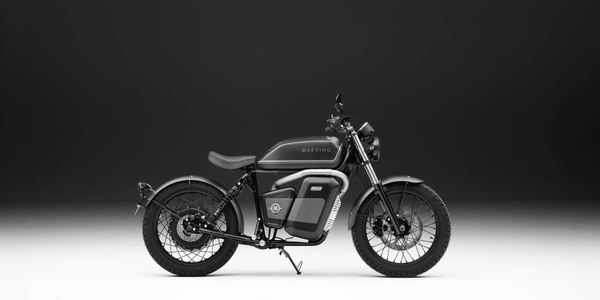
The pinnacle of dark café racer styling. Featuring satin black bodywork, hand-finished gold pin-striping, and upgraded trim elements. Built in limited batches for discerning riders and luxury fleet importers.
“Of all the electric motorcycles I’ve tested, none attracted compliments from fellow riders like the Maeving RM1S.”RevZilla
“Oozing with flair — it’s hard not to love Maeving’s latest ride.”WIRED
“As well as looking stylish, the Maeving is superbly built with well thought-out features.”MCN
“The first truly convincing 125cc electric motorbike I've tried.”TechRadar
“It's an incredibly stylish and refined machine.”Cycle News
“Being narrow, it slips through bad traffic like a knife through butter.”MotoGeo
Addressing common buyer inquiries around charging infrastructure, license requirements, battery longevity, and international commercial sourcing.
A classic café racer electric bike combines retro styling with modern electric efficiency. Unlike standard gasoline bikes, it offers instant torque, zero tailpipe emissions, no clutch or gear shifting, and virtually noise-free riding. Low overall vehicle weight makes filtering through dense urban traffic effortless.
Maeving motorcycles feature dual removable battery packs. Each 2.7 kWh battery module weighs approximately 12 kg (26 lbs) and lifts out of the bike in seconds using built-in handles. They plug directly into any standard household wall socket (110V in North America, 230V in Europe), requiring no public EV charging stations or expensive garage wiring upgrades.
The Maeving RM1S and RM2 deliver a top speed of 70 mph (113 km/h), making them fully legal for highway and interstate commuting. With dual batteries installed, real-world city riding range extends up to 80 miles (128 km), depending on rider weight, ride mode selection, temperature, and terrain elevation.
In the United States, because Maeving bikes achieve speeds over 30 mph, they are classified as road-legal motorcycles and require a valid state motorcycle endorsement (M1/M2). In the UK and EU, they are classified as 125cc equivalents (L3e-A1), readable with an A1 license or CBT (Compulsory Basic Training) in select jurisdictions.
Yes. Maeving motorcycles are manufactured under strict ISO Quality Standards in Coventry, UK, and meet all Federal Motor Vehicle Safety Standards (FMVSS / DOT), Environmental Protection Agency (EPA) rules in North America, and European Whole Vehicle Type Approval (WVTA). Commercial importers can source turnkey units complete with compliant VIN documentation.
Electric café racers have approximately 80% fewer moving parts than internal combustion motorcycles. There are no engine oils, oil filters, spark plugs, drive belts, clutches, or exhaust systems to maintain. Routine servicing is limited to consumable inspection: brake pads, brake fluid, tires, and general suspension checkups, keeping fleet operating costs minimal.
Maeving’s advanced Battery Management System (BMS) continuously monitors individual cell voltages and internal thermal conditions. During extreme cold or hot ambient temperatures, the BMS automatically regulates current discharge rates to prevent cell degradation, ensure safe charging, and extend overall battery lifespan across 1,500+ full charge cycles.
Yes. Maeving works directly with corporate clients, hotel groups, and fleet leasing operators to provide custom paint schemes, logo integration, and hardware mounting for 3rd-party telematics or fleet management systems. Inquire with our commercial team to review custom production minimums.
Connect with our expert engineering and global sales consultation team. Get complete specification sheets, commercial bulk pricing, and custom logistics support tailored to your region.