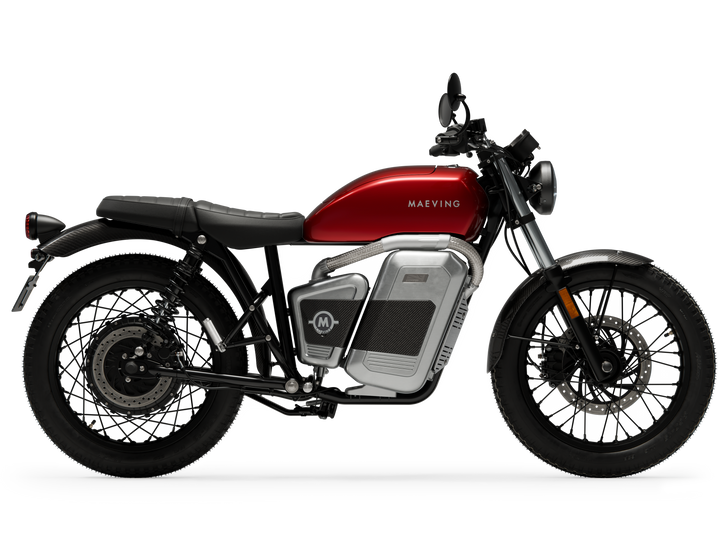
RM1S
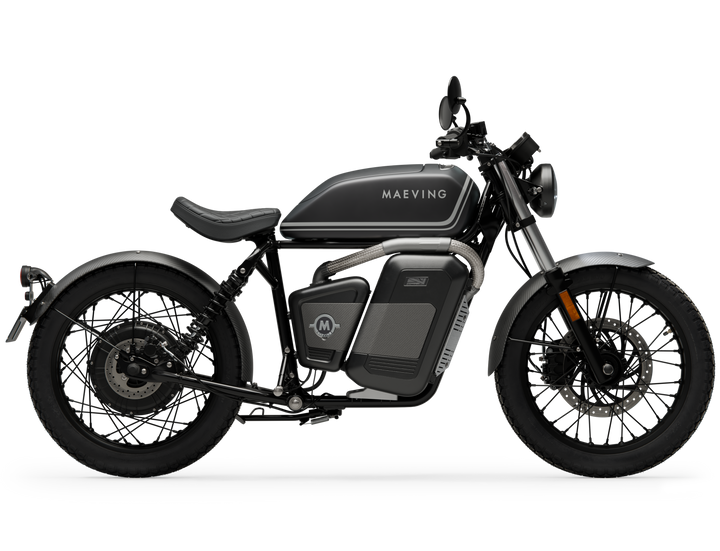
Urban Commuter Flagship
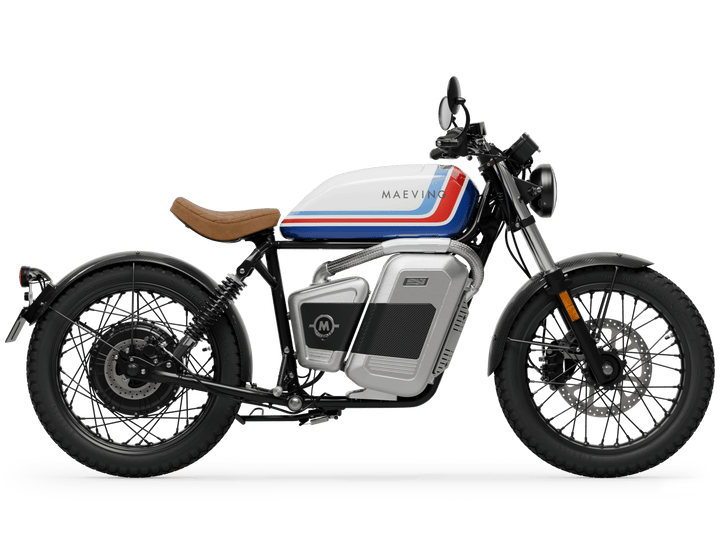
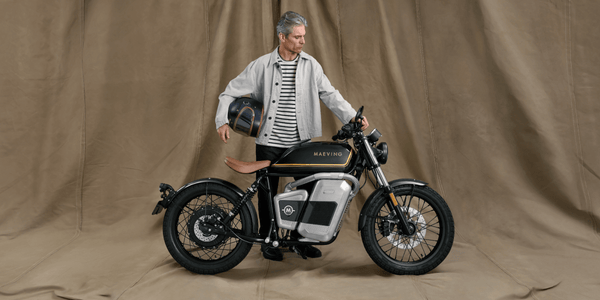
- Top Speed 70 mph / 113 km/h
- Peak Power 10.5 kW (14 hp)
- Battery Architecture Dual Removable LG 21700
- Equivalent Class 125cc (L3e / Highway Legal)
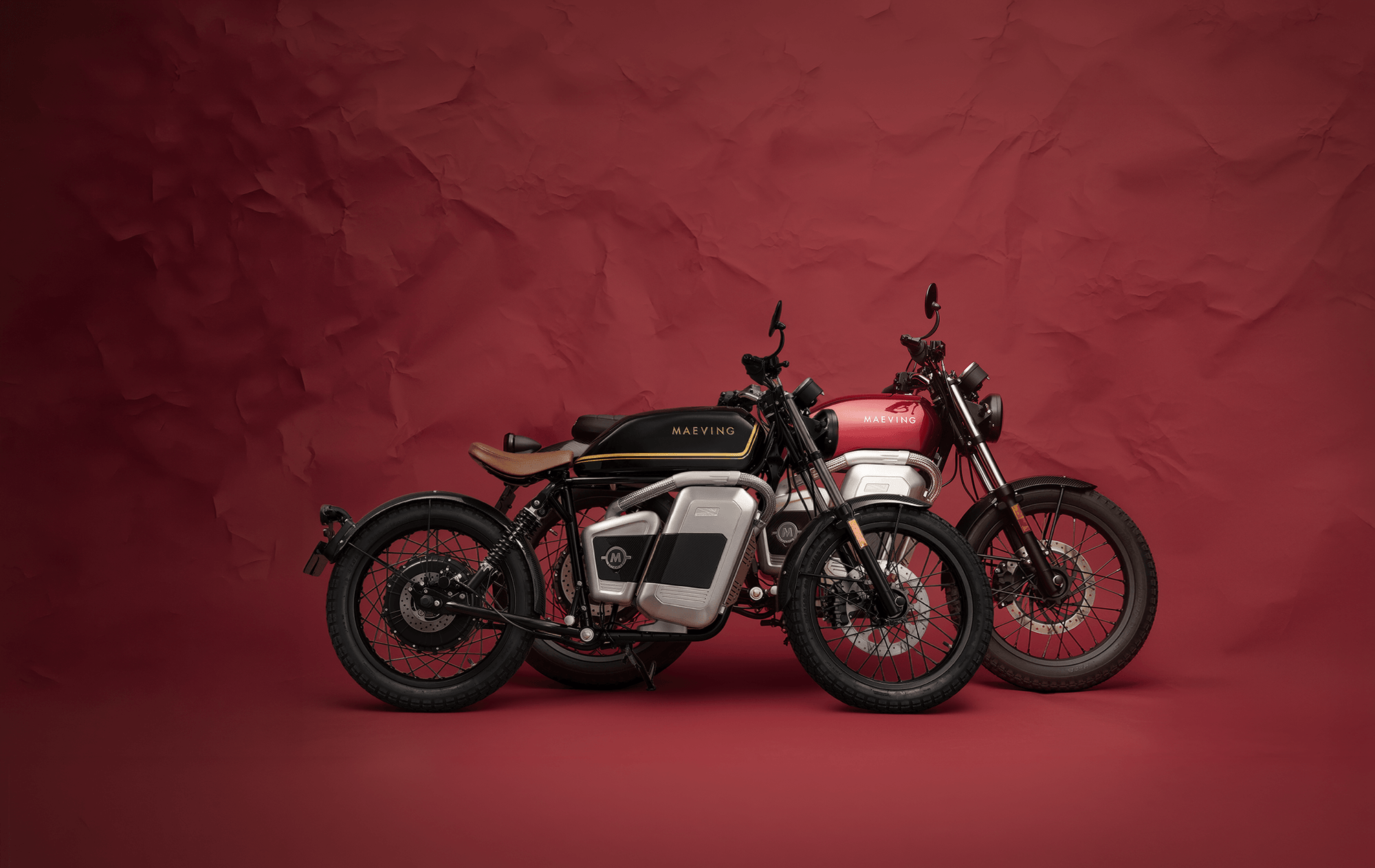
Dual Swappable Battery Architecture · 70 MPH Performance · Zero Tailpipe Emissions
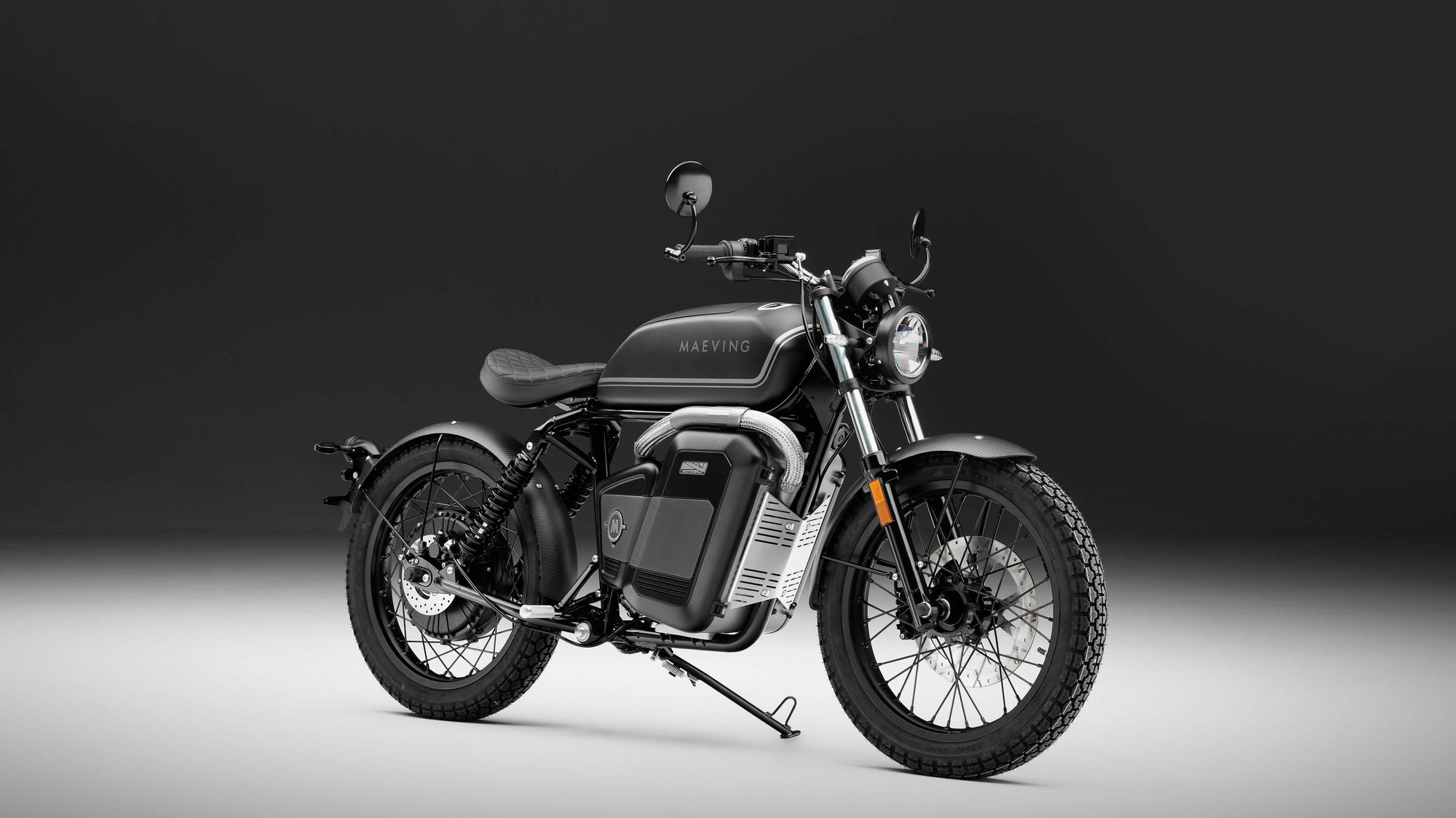
Precision-machined hardware with stealth satin aesthetic for premium fleets.

Standard 110V/240V wall-plug charging eliminating fixed charging pile bottlenecks.
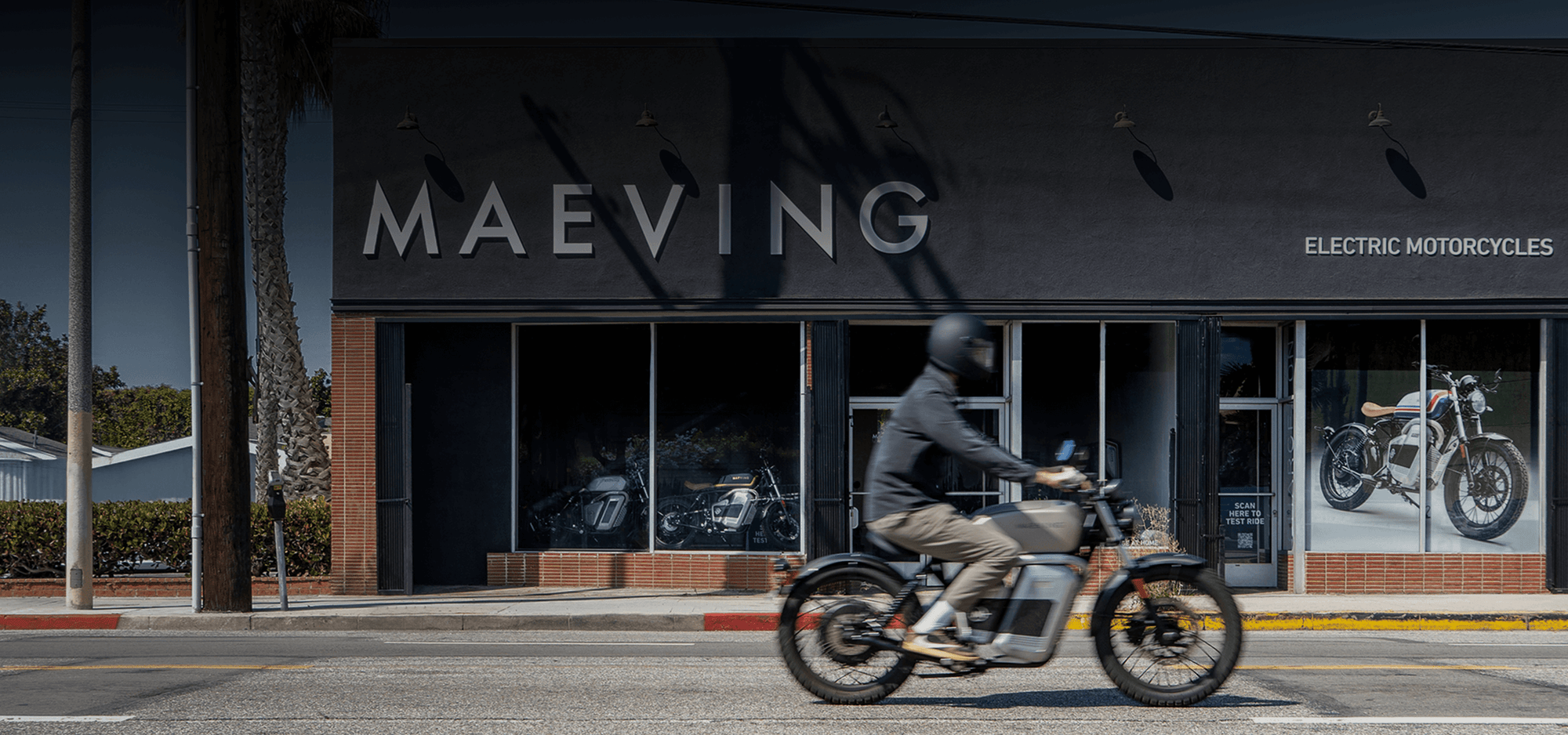
Direct B2B supply, homologation support, and localized fleet maintenance.
As global metropolises accelerate zero-emission mandates, establishing Ultra-Low Emission Zones (ULEZ) and stringent urban congestion surcharges, municipal planners, enterprise fleet managers, and motorcycle importers face a critical operational crossroads. The conventional internal combustion engine (ICE) 125cc urban vehicle is rapidly becoming economically unviable due to rising fuel taxation, escalating urban maintenance overheads, and regulatory phase-outs.
Concurrently, early-generation electric two-wheelers suffered from severe architectural shortcomings: heavy fixed battery packs requiring dedicated public charging infrastructure, high battery degradation rates under daily thermal cycling, and uninspired plastic bodywork with negligible residual value. Maeving® has fundamentally redefined the urban commuter electric motorcycle segment by fusing Coventry engineering heritage with modular dual-battery power electronics.
Precision-engineered for individual urban commuters, commercial last-mile delivery fleets, and premium lifestyle rental fleets.
Urban Commuter Flagship
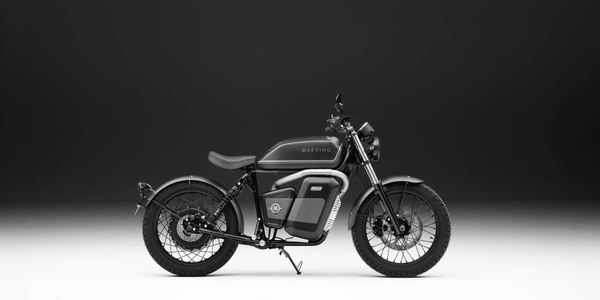
Dual-Passenger & Commercial Fleet
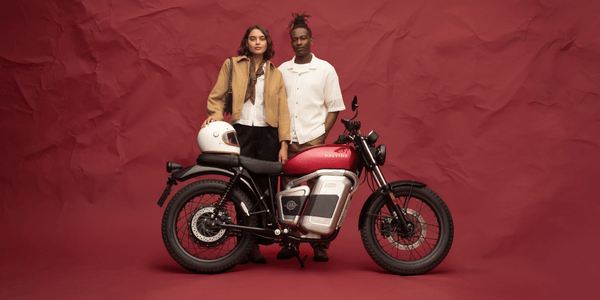
Bespoke Limited Production
Custom B2B Solutions
An objective comparison of engineering parameters designed to assist procurement directors in evaluating total platform suitability.
| Technical Parameter | Maeving RM1S | Maeving RM2 | Standard 125cc ICE Scooter | Generic Asian Hub EV |
|---|---|---|---|---|
| Vehicle Homologation Class | L3e-A1 / Highway Legal | L3e-A1 / Dual Passenger | L3e-A1 / ICE | L1e-B / Urban Restricted |
| Peak Motor Output | 10.5 kW (14.0 bhp) continuous | 10.5 kW (14.0 bhp) continuous | 8.0 kW (10.7 bhp) peak | 3.0 kW - 5.0 kW peak |
| Top Speed | 70 mph / 113 km/h | 70 mph / 113 km/h | 55 mph / 88 km/h | 28 - 45 mph (45-72 km/h) |
| Battery Architecture | Dual Removable LG 21700 NMC | Dual Removable LG 21700 NMC | N/A (Liquid Fuel Tank) | Fixed Single Lead-Acid / LFP |
| Battery Energy Capacity | 2.7 kWh combined (1.35 kWh x 2) | 2.7 kWh combined (1.35 kWh x 2) | N/A (approx 6L Gasoline) | 1.8 kWh fixed |
| In-Home Charging Compatibility | 100% standard 110V/240V socket | 100% standard 110V/240V socket | Gas station reliant | Requires garage / dedicated wallplug |
| Charge Time (0 to 100%) | 3.5 Hours per pack (2.5 hr to 80%) | 3.5 Hours per pack (2.5 hr to 80%) | 5 minutes refueling | 6 to 8 hours typical |
| Drive System | Direct-Drive Rear Hub Motor | Direct-Drive Rear Hub Motor | CVT Belt & Roller Clutch | Belt / Chain Drive |
| Maintenance Requirements | Zero engine/belt servicing | Zero engine/belt servicing | Oil, filters, plugs, belts every 3k mi | Frequent belt & chain tensioning |
| Regulatory Compliance | DOT FMVSS, EEC Euro 5e, UN38.3 | DOT FMVSS, EEC Euro 5e, UN38.3 | Euro 5 Emissions compliant | Varies / Often non-DOT certified |
The global shift toward sustainable micro-mobility is no longer driven solely by consumer environmental sentiment; it is propelled by hard economic realities and aggressive municipal legislative mandates. Procurement officers evaluating an urban commuter electric motorcycle supplier must analyze four overarching macroeconomic trends shaping the 2025–2030 marketplace.
Municipal infrastructure projects face immense delays and capital expenditure hurdles when installing public curbside EV chargers. High-density urban commuters frequently live in multi-family residential units or apartments lacking garage space. The solution gaining massive B2B traction is the removable dual-battery ecosystem pioneered by Maeving. By allowing riders to detach lightweight battery modules and recharge via standard 110V/240V wall outlets inside offices or living quarters, fleet operators bypass millions in infrastructure installation costs.
Over a 36-month operational window, the total cost of owning an ICE urban vehicle includes fluctuating fuel expenses, routine engine oil changes, spark plug replacements, CVT belt wear, and valve adjustments. Conversely, a high-efficiency urban commuter electric motorcycle features fewer than 20 moving parts in its drivetrain. With direct-drive hub motor technology, friction losses are minimized, eliminating chains, belts, and engine maintenance, reducing fleet operational expenditure by up to 85% per mile driven.
Navigating global vehicle compliance—such as US Department of Transportation (DOT) Federal Motor Vehicle Safety Standards (FMVSS), European Whole Vehicle Type Approval (EU WVTA L3e), and UN 38.3 Lithium Battery Transport Certification—presents a high barrier to entry. Sourcing motorcycles from established engineering manufacturers like Maeving eliminates compliance friction for global distributors, ensuring seamless customs clearance and liability protection.
To deliver an uncompromising balance between weight, speed, and real-world range, modern urban commuter electric motorcycles require sophisticated power electronics and advanced metallurgy. Maeving's Coventry engineering team has instituted several key technological breakthroughs:
Unlike single-battery systems that suffer from steep voltage drops under high discharge loads (such as climbing steep urban inclines or accelerating to 70 mph), Maeving's proprietary Battery Management System (BMS) dynamically parallel-balances draw across two LG 21700 lithium-ion energy cells. This architecture keeps internal cell temperatures low, significantly reducing thermal stress and extending total battery lifespan to over 1,000 full charge cycles while maintaining 80%+ capacity retention.
By integrating the electric motor directly into the rear wheel assembly, the Maeving RM1S and RM2 achieve immediate 10.5 kW peak power output without mechanical transmission losses. This setup delivers instant linear acceleration from 0 to 30 mph in under 4 seconds—vital for navigating congested urban traffic junctions safely—while leaving the central chassis entirely free to house lockable storage compartments and dual battery cradles.
Urban agility depends heavily on power-to-weight ratio. Traditional gas motorcycles in the 125cc to 250cc class weigh between 140 kg and 180 kg. By utilizing CAD-optimized high-tensile tubular steel framing and lightweight alloy wheels, Maeving bikes maintain a curb weight of under 130 kg (including both battery modules). This low center of gravity provides unmatched maneuverability through tight city lanes and makes handling stress-free for riders of all physical sizes.
When selecting an OEM partner for urban electric motorcycles, buyers must evaluate a manufacturer’s long-term stability, engineering heritage, and customer support infrastructure. Maeving is built upon four foundational pillars of authority and trust:
Designed specifically to solve real-world urban commuting challenges without compromise.
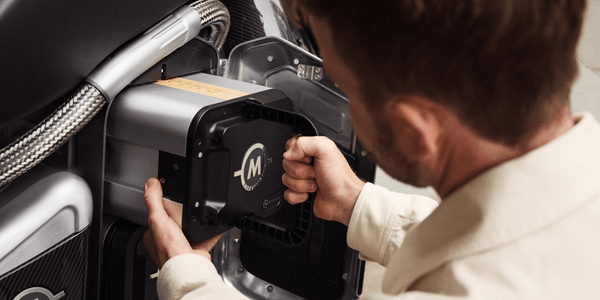
High-energy-density LG 21700 lithium-ion packs featuring integrated ergonomic handles for effortless indoor carrying and wall-socket charging.
Explore Battery TechRecharges completely from standard household 110V/240V outlets within 3.5 hours, eliminating the need for commercial EV charging subscriptions.
In-Home Charging Guide10.5 kW continuous power output provides the necessary top speed for dual-carriageway and urban highway commuting without speed restrictions.
Speed & Highway CapabilitiesPositioned where traditional gas tanks reside, a secure lockable trunk houses your portable charger, lock, and personal daily belongings.
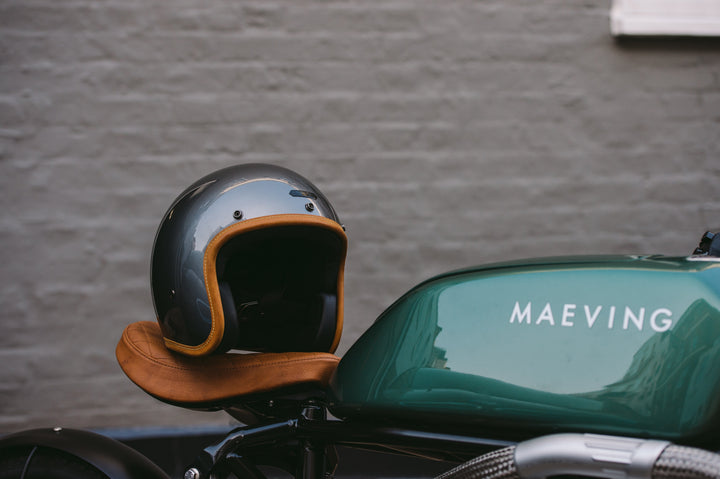
Storage SpecificationsEschewing cheap plastic cladding for hand-finished painted metal tanks, diamond-stitched seating, and brushed aluminum components.
Heritage AestheticsCombined Braking System (CBS) distributes stopping force proportionally between front and rear calipers for ultimate wet and dry stopping power.
Safety Engineering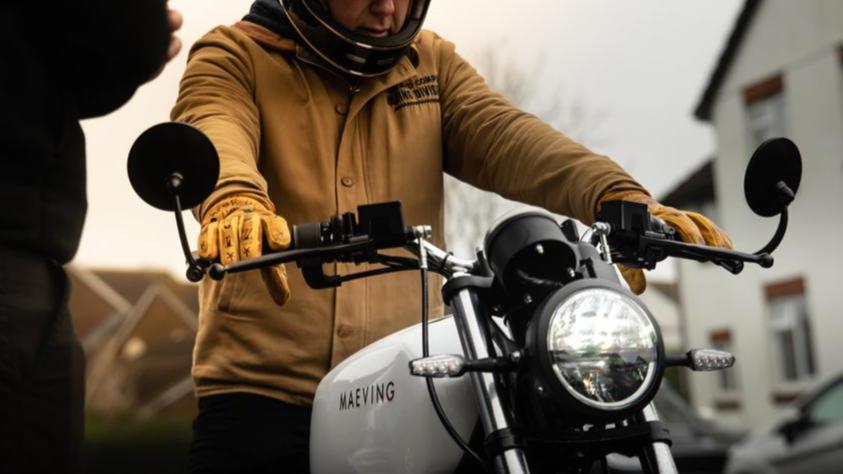
The transition to two-wheeled urban electric transport must be seamless. Maeving motorcycles require no clutch operation or gear shifting; power delivery is managed entirely via a smooth, twist-and-go fly-by-wire throttle.
This intuitive interface allows new and veteran commuters to dedicate 100% of their cognitive attention to road awareness and traffic hazards. Furthermore, lightweight handling ensures stress-free parking and low-speed filtering.
Purchasing enterprise fleets or individual units requires complete regulatory compliance. Maeving manages direct vehicle commerce, state-by-state licensing, federal tax processing, and white-glove doorstep delivery.
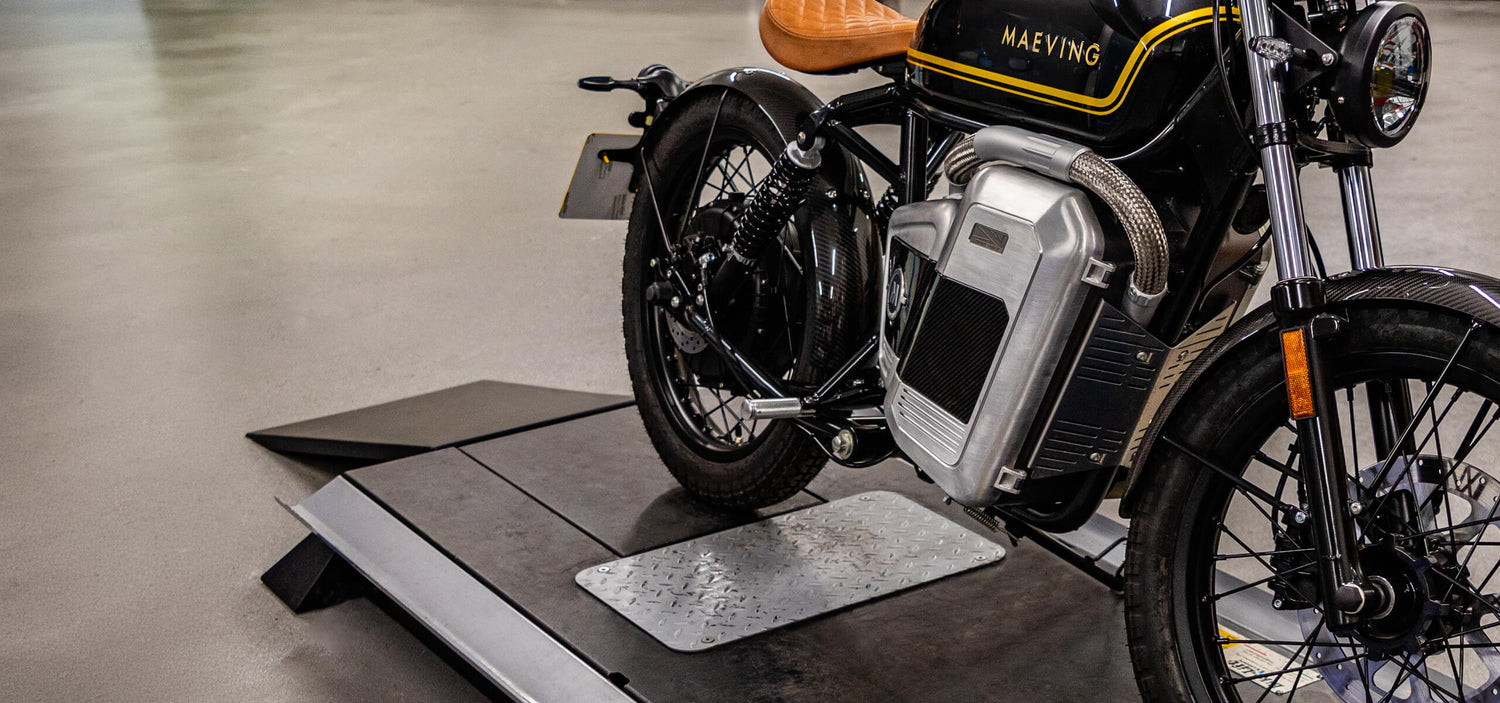
While Maeving electric powertrains require negligible routine maintenance compared to gas engines, access to certified service hubs is crucial for commercial operational continuity.
Maeving has established certified partner networks across North America and Europe to handle diagnostic scans, brake pad replacements, tire fitment, and official warranty service utilizing genuine OEM components.
“Of all the electric motorcycles I’ve tested, none attracted compliments from fellow riders like the Maeving RM1S.”RevZilla
“Oozing with flair — it’s hard not to love Maeving’s latest ride.”WIRED
“As well as looking stylish, the Maeving is superbly built with well thought-out features.”MCN
“The first truly convincing 125cc electric motorbike I've tried.”TechRadar
“It's an incredibly stylish and refined machine.”Cycle News
“Being narrow, it slips through bad traffic like a knife through butter.”MotoGeo
“If Bang & Olufsen made motorcycles, they might look a bit like this.”WIRED
“I found the RM2 to not only be very light and playful but also plenty nimble in tight spaces.”Gear Patrol
“The world needs electric motorcycles that look as sexy as their gas-burning counterparts and this UK import fits that remit perfectly.”Cool Hunting
Addressing key technical, regulatory, shipping, and operational intent queries regarding urban commuter electric motorcycles.
The Maeving RM1S and RM2 achieve up to 80 miles (128 km) of range when utilizing dual battery packs in urban riding conditions (average speeds 25–35 mph). When operated continuously at highway speeds (up to 70 mph / 113 km/h), real-world range is approximately 45–55 miles depending on rider weight, incline, and ambient temperature. The dual-battery BMS ensures linear energy release without performance throttling as charge levels decrease.
Fixed-battery electric motorcycles require commercial Level 2 or DC Fast Chargers, involving costly grid upgrades, parking space leasing, and high utility demand charges. Maeving's dual batteries weigh approximately 12 kg (26 lbs) each and unlock with a turn of the key. Fleet drivers or office commuters carry the packs indoors and charge them using any standard 110V (US) or 240V (EU/UK) wall outlet. This decentralized charging operational model cuts capital setup expenditure by 100%.
In the United States, Maeving motorcycles are certified under DOT FMVSS standards, requiring a standard M1 motorcycle driver's endorsement. In Europe and the UK, they are homologated under L3e-A1 regulations, making them legally equivalent to a 125cc ICE motorcycle. Riders hold an A1 license or CBT (Compulsory Basic Training) qualification. Full EEC, CE, and EPA homologation documentation is supplied directly to commercial importers.
All Maeving LG 21700 lithium-ion battery modules comply fully with UN 38.3 international dangerous goods transport regulations. They pass rigorous altitude simulation, thermal shock, vibration, impact, external short-circuit, overcharge, and forced discharge testing. Complete Safety Data Sheets (SDS) and hazardous material transport manifests are available for sea and air freight procurement logistics.
Standard retail orders feature zero MOQ. For customized commercial fleets (including custom corporate paint liveries, specialized rear luggage racks, or telematics CAN-bus API access), our initial procurement MOQ starts at 5 units. Standard delivery lead times range from 14 to 30 days for stocked regional hubs, or 60–90 days for bespoke OEM factory shipments.
Every motorcycle includes a 2-Year Unlimited Mileage Manufacturer Vehicle Warranty and a 3-Year Battery Capacity Guarantee. Importers and commercial fleet operators gain direct portal access to our online Parts Catalogue, enabling rapid dispatch of replacement brake pads, tires, body panels, and electrical modules directly from our US (Los Angeles) and UK (Coventry) distribution centers.
Yes. Commercial fleet configurations offer optional CAN-Bus telematics modules. This enables real-time GPS tracking, remote battery State of Charge (SoC) monitoring, predictive maintenance alerts, anti-theft geofencing, and driver efficiency analytics via standardized API endpoints compatible with major enterprise fleet management software platforms.
Connect with our senior engineering and enterprise sales directors today to receive technical dossiers, wholesale price sheets, and test fleet evaluation arrangements.