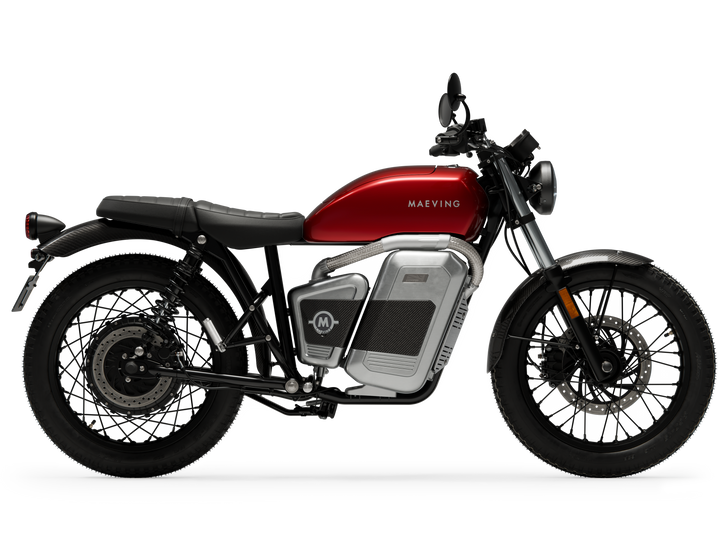
RM1S
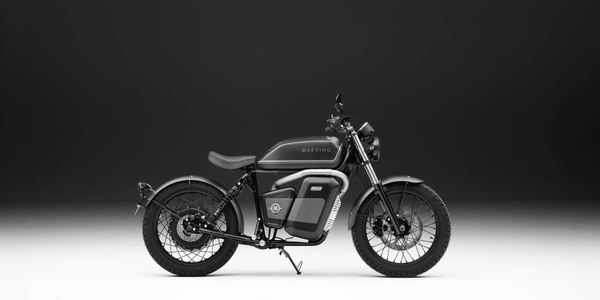
High-Performance Highway Commuter
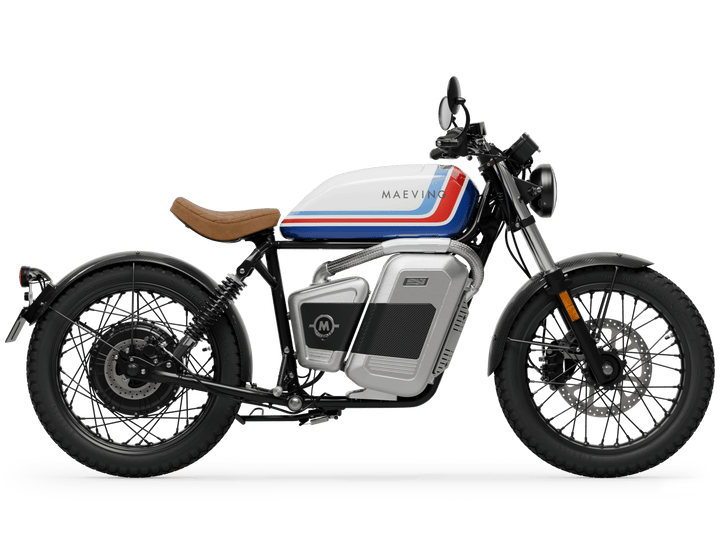
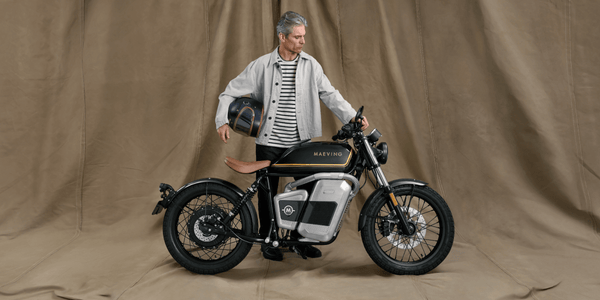
- Top Speed 70 mph
- Combined Range Up to 80 miles
- Battery Config Dual Removable (4.06 kWh)
- Charge Source 110V/230V Standard Outlet
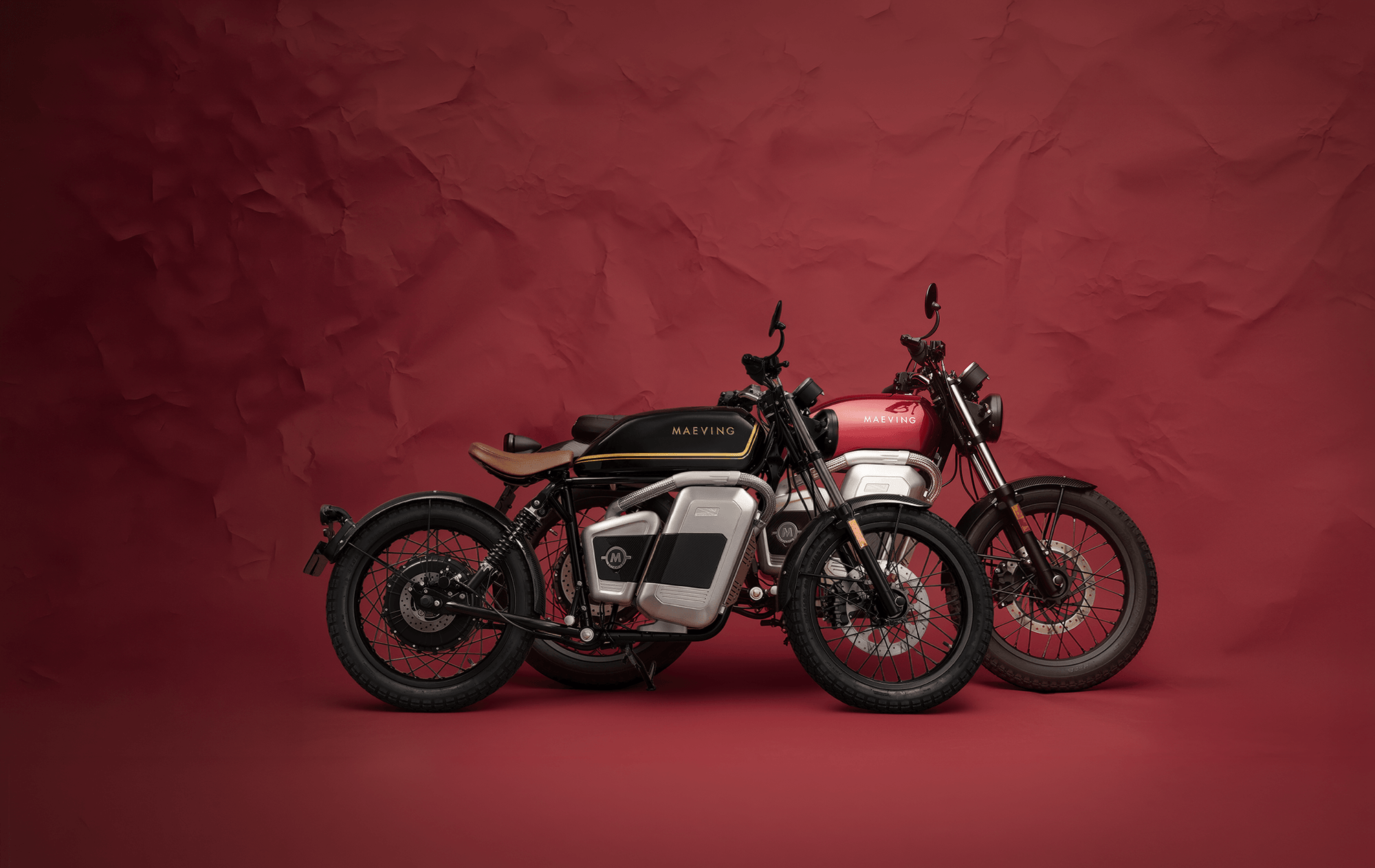
British Design. Dual Removable Architecture. 70 mph Speed & Zero Infrastructure Dependency.
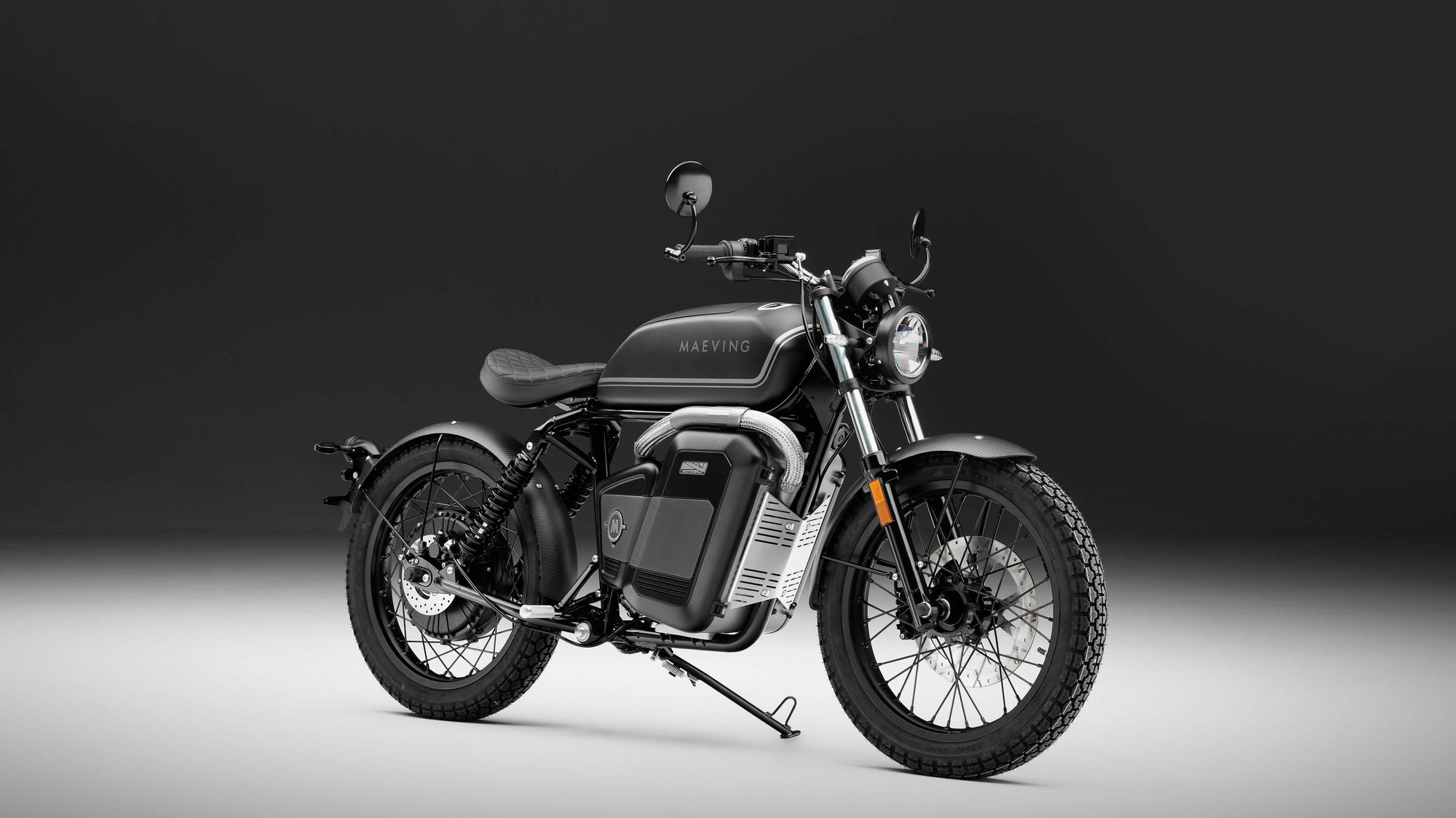
Parallel battery balancing algorithms engineered for sustained 70 mph performance.

Two-seater dual battery electric motorcycle built for high-duty operational cycles.
Full DOT compliance, warranty coverage, and nationwide service infrastructure.
For global procurement managers, commercial fleet operators, and institutional buyers, the dual battery electric motorcycle represents the optimal technical equilibrium between high-speed urban highway transit and zero-downtime charging operational workflows. By decoupling energy storage from the motorcycle chassis via dual removable modular packs, fleet managers overcome the largest hurdle in electric mobility adoption: reliance on fixed public charging infrastructure.
Engineered in Coventry, United Kingdom, Maeving's dual battery architecture combines classic British café racer design with cutting-edge lithium-ion battery management systems (BMS). Capable of reaching 70 mph with an 80-mile practical range, our platform delivers non-stop operational productivity through indoor wall-outlet charging and modular swap protocols.
An in-depth guide on battery load balancing, thermal management, regulatory transport certifications, and total cost of ownership (TCO) for global buyers.
In global two-wheeler electrifications, single-pack fixed batteries create severe operational bottlenecks for commercial, urban delivery, and corporate commuter fleets. A single large battery pack requires high-power Level 2 or Level 3 DC fast chargers, locking the vehicle into fixed parking locations for several hours and exposing fleet operators to volatile peak demand electricity tariffs. Furthermore, heavy integrated single-pack batteries adversely impact the vehicle's center of gravity and handling dynamics.
The dual battery electric motorcycle resolves these pain points through structural distribution and electrical parallel coupling. By dividing total onboard energy into two balanced, ergonomic modules (e.g., twin 2.03 kWh packs for a combined 4.06 kWh total capacity), engineers achieve several critical advantages:
Deploying a commercial fleet of dual battery electric motorcycles requires zero investment in heavy commercial charging stations. Fleet hubs simply utilize existing indoor wall plugs or multi-dock charging stations, cutting facility setup expenses by up to 85% compared to fixed-EV fleet conversions.
The primary engineering challenge in a dual battery electric motorcycle is managing state-of-charge (SOC) differentials and cross-currents between two parallel-connected lithium-ion battery modules. When two battery packs with slightly different voltages are plugged into the same motor controller, uncontrolled current can flow from the higher-voltage pack into the lower-voltage pack, resulting in connector degradation or thermal stress.
To overcome this, Maeving utilizes a proprietary dual-channel Battery Management System (BMS) with dynamic pulse-width modulation (PWM) load balancing:
Explore our award-winning range engineered for enterprise fleets, urban commuters, and bespoke commercial customization.
High-Performance Highway Commuter
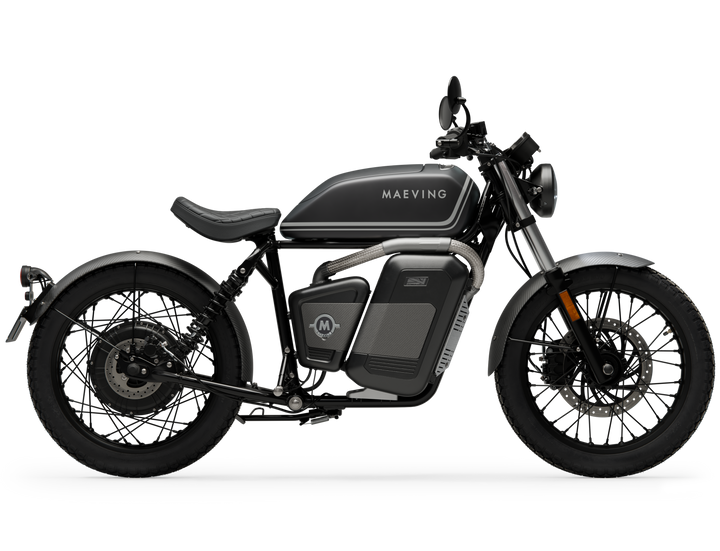
Two-Seater Urban & Commercial Platform
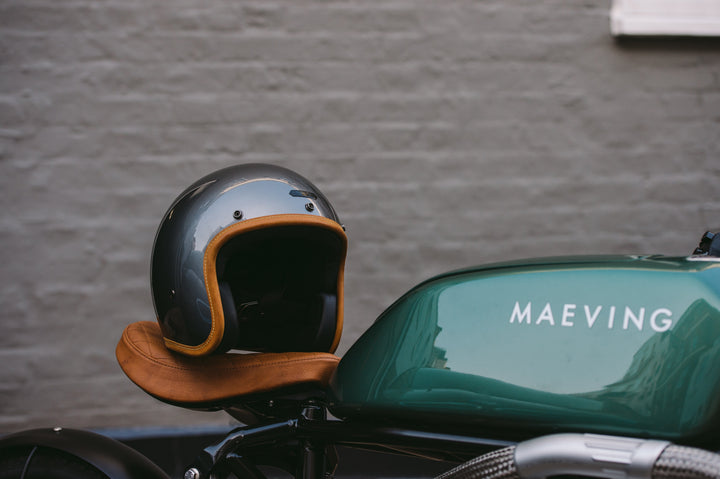
Limited Edition Bespoke Finish
Commercial Customization
A comprehensive engineering benchmark for B2B fleet evaluations and import compliance verification.
| Specification Parameter | Maeving RM1S | Maeving RM2 | Standard Single-Pack EV |
|---|---|---|---|
| Powertrain Architecture | Dual Removable Lithium-Ion Packs | Dual Removable Lithium-Ion Packs | Fixed Monolithic Lithium Pack |
| Top Speed (Highway Capable) | 70 mph (113 km/h) | 70 mph (113 km/h) | 45–55 mph (Typical urban limit) |
| Combined Battery Energy | 4.06 kWh (2 x 2.03 kWh packs) | 4.06 kWh (2 x 2.03 kWh packs) | 2.5–3.2 kWh fixed pack |
| Practical Max Range | Up to 80 miles (130 km) | Up to 80 miles (130 km) | 40–55 miles |
| Charging Method | Standard 110V/230V Wall Outlet | Standard 110V/230V Wall Outlet | Dedicated Wallbox / Public Station |
| Charge Time per Pack | 0–80% in 2.5 hrs / 100% in 4 hrs | 0–80% in 2.5 hrs / 100% in 4 hrs | 5–7 hours tethered to post |
| Individual Module Weight | 28.6 lbs (13 kg) | 28.6 lbs (13 kg) | 75–120 lbs (Non-removable) |
| Cell Chemistry & SOH | Samsung/LG NCM (1000+ Cycles) | Samsung/LG NCM (1000+ Cycles) | Variable Tier-2/3 Cells |
| Passenger Capacity | Single Rider (Solo Café Racer) | Dual Rider (Two-Seater Dual Pegs) | Single or Dual |
| B2B Telematics & IoT | GPS, Remote OBD-II, CAN-bus | GPS, Remote OBD-II, CAN-bus | Basic Analog / Non-connected |
Key insights for international buyers navigating regulatory shifts, battery chemistry evolution, and ESG compliance.
As municipal authorities in North America, Europe, and East Asia tighten urban low-emission zones (LEZ) and zero-emission vehicle mandates, the demand for light electric vehicles (LEVs) has surged. However, urban infrastructure bottlenecks—specifically the lack of street-side curb charging stations for high-density apartment dwellers—have pushed global regulators toward favoring removable dual battery standards.
Procurement departments are increasingly requiring suppliers to comply with standardized UN38.3 battery safety testing, EN 50604-1 light EV battery standards, and UL 2271 certification. Dual battery platforms that meet these international benchmarks allow seamless cross-border distribution and simplified insurance underwriting for enterprise fleets.
When conducting multi-year TCO evaluations between internal combustion engine (ICE) 125cc commuter fleets and dual battery electric motorcycles, enterprise buyers observe substantial cost reductions:
Global corporate procurement policies now heavily prioritize Environmental, Social, and Governance (ESG) criteria. Dual battery electric motorcycles contribute directly to corporate sustainability goals by eliminating tailpipe greenhouse gas emissions (GHG). Furthermore, modular dual battery design facilitates secondary energy storage applications. Once a lithium battery module reaches 70–80% State of Health (SOH) after thousands of commercial miles, the module can be repurposed into stationary energy storage systems (ESS) for solar energy retention, creating a fully circular battery lifecycle.
Every component in our dual battery platform is built to solve real-world fleet and rider operational challenges.
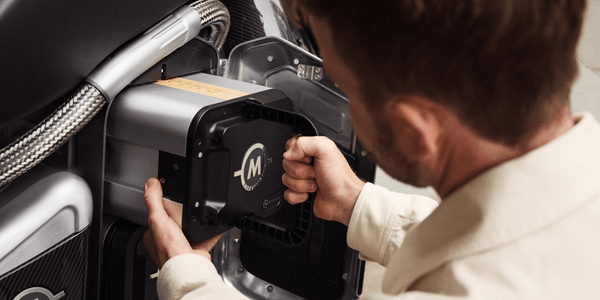
Two lightweight lithium-ion modules lift out in seconds for indoor home or office charging—no garage or EV post required.
Removable Tech GuidePlugs directly into standard household wall outlets. Zero dedicated EV infrastructure CapEx required for enterprise fleets.
Home Charging InsightsInstant electric torque paired with a 70 mph top speed ensures safety and performance on urban expressways and highways.
70 mph Performance GuideSecure, integrated storage compartment holds chargers, personal gear, or telematics hardware without compromising cafe racer aesthetics.
Storage ArchitectureDesigned and built in Coventry, UK, blending heritage cafe racer styling with rigorous automotive-grade precision.
British Design StoryNo oil changes, no spark plugs, no clutches, and no liquid filters. Lower operational costs across multi-year fleet ownership.
Fleet Commuter Analysis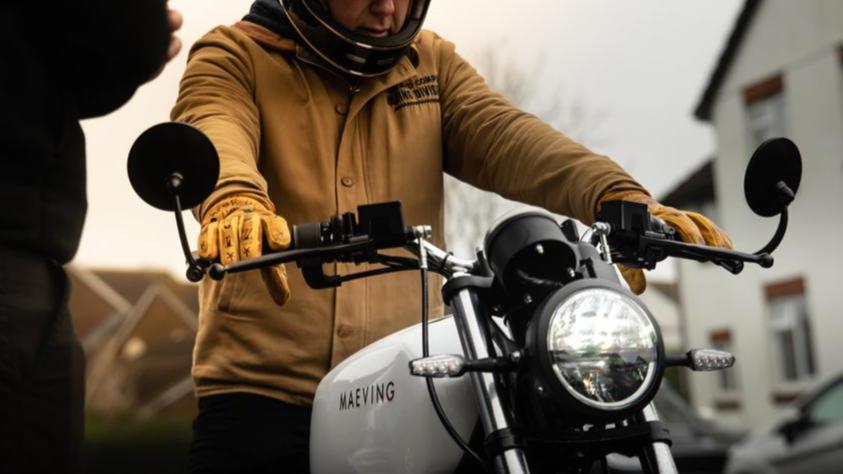
Whether deploying bikes for corporate employee commuting, urban security, or boutique rental fleets, Maeving dual battery electric motorcycles provide an intuitively easy riding experience. With automatic clutchless drive, new and experienced riders can focus entirely on road safety.
Our fleet solutions include custom branding wraps, dedicated telemetry integration, and full support through our North American and European operational centers.
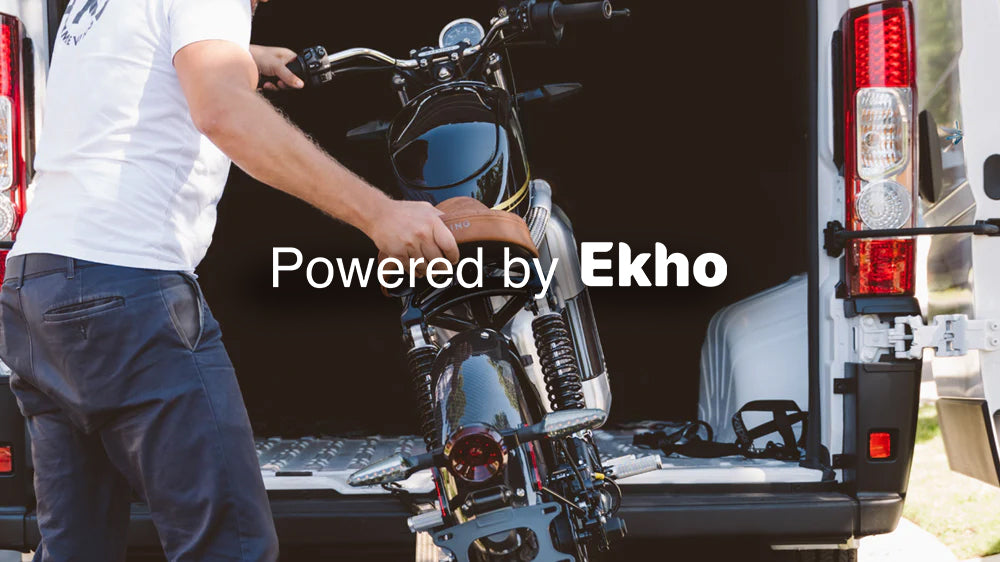
Navigating commercial vehicle import compliance and road registration in North America can be complex. Maeving partners with specialist vehicle commerce providers to handle state-by-state DOT registration, tax processing, and title issuance seamlessly.
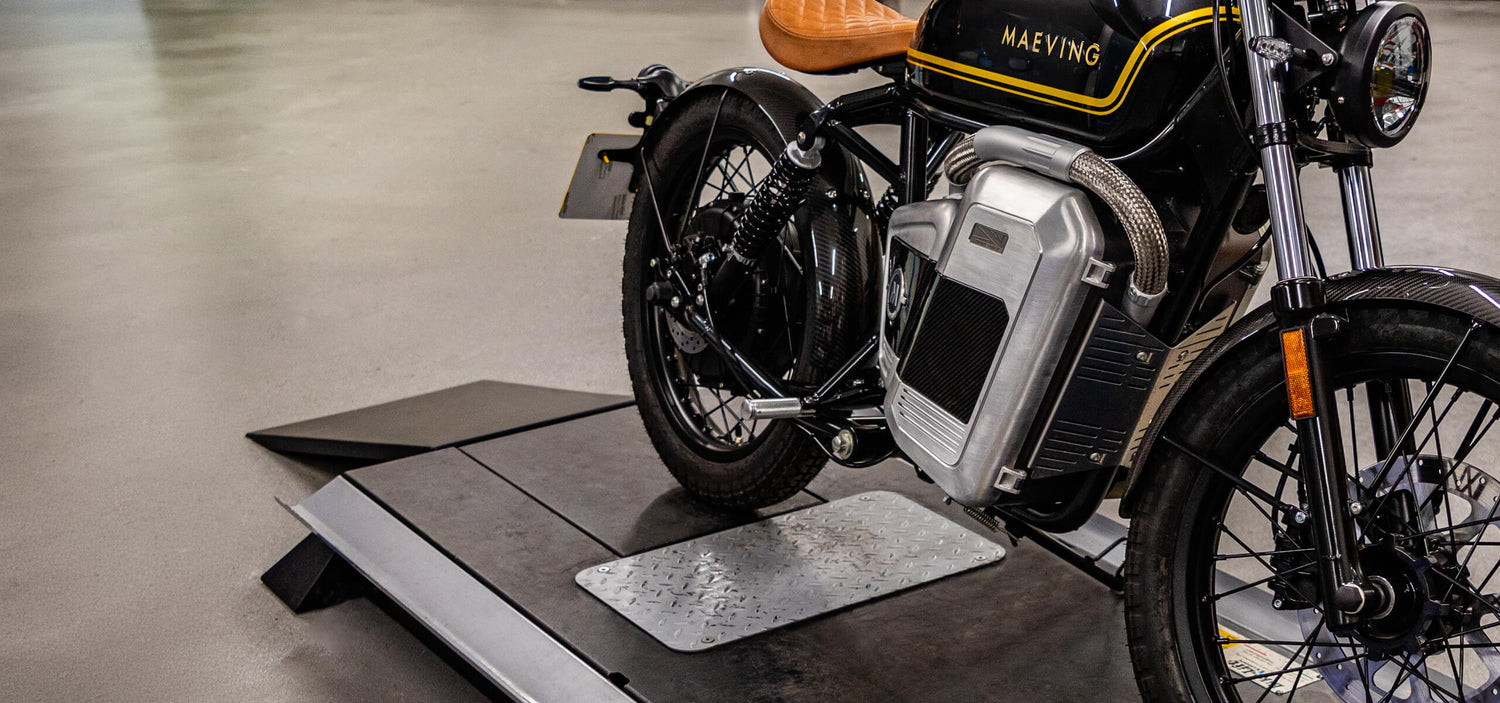
Reliable after-sales service is crucial for high-value procurement contracts. Maeving maintains a dedicated spare parts catalog and a nationwide network of authorized service partners across the United States to handle periodic health checks, warranty service, and rapid spare parts dispatch.
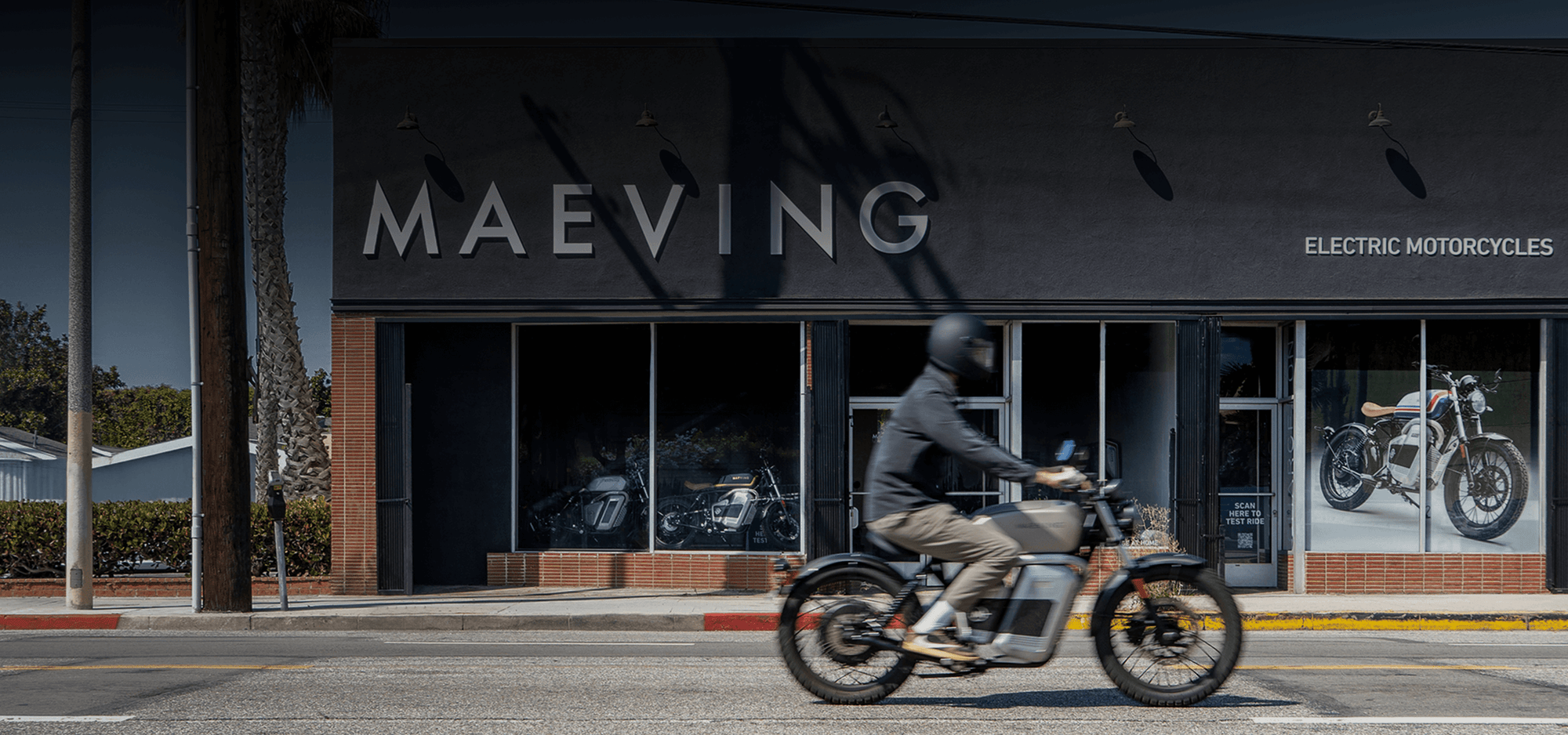
Recognized by leading automotive journals worldwide, Maeving's dual battery electric motorcycles set the benchmark in build quality, design purity, and real-world urban practicality.
“Of all the electric motorcycles I’ve tested, none attracted compliments from fellow riders like the Maeving RM1S.”RevZilla
“Oozing with flair — it’s hard not to love Maeving’s latest dual battery ride.”WIRED
“As well as looking stylish, the Maeving is superbly built with well thought-out removable battery features.”MCN
“The first truly convincing 125cc equivalent electric motorbike I've tried.”TechRadar
“It's an incredibly stylish and refined dual battery machine.”Cycle News
“Being narrow, it slips through bad city traffic like a knife through butter.”MotoGeo
“If Bang & Olufsen made motorcycles, they might look a bit like this.”WIRED
“I found the platform to not only be very light and playful but also plenty nimble in tight spaces.”Gear Patrol
“The world needs electric motorcycles that look as appealing as their gas-burning counterparts, and this UK import fits perfectly.”Cool Hunting
Addressing technical, logistical, and architectural questions regarding dual battery electric motorcycles.
A dual battery electric motorcycle utilizes an intelligent Battery Management System (BMS) with dynamic parallel load balancing. The BMS constantly measures the state of charge (SOC), voltage, and internal resistance of each lithium-ion pack, equalizing discharge rates during high-current highway cruising (70 mph) to prevent cell overheating, prolong lifespan, and deliver sustained torque.
Dual removable battery architectures completely decouple vehicle charging from fixed parking infrastructure. Fleet operators and urban commuters can remove the battery modules in seconds and charge them at standard household outlets or dedicated desktop docks indoors, eliminating expensive public EV charging station installations and maximizing vehicle uptime through hot-swapping.
Yes, Maeving dual battery motorcycles are designed with modular redundancy. If one battery pack is left indoors for charging or undergoing maintenance, the bike can operate seamlessly on a single battery pack at reduced speed and range limits, providing uninterrupted operational flexibility for urban commutes.
Global import compliance requires UN38.3 lithium battery transport testing, MSDS (Material Safety Data Sheet) documentation, CE/EEC approvals for European markets, and DOT compliance for North American roadways. Maeving dual battery modules strictly adhere to international hazardous goods transport standards for seamless ocean and air freight logistics.
Maeving's premium Samsung/LG cell chemistry is engineered to retain over 80% State of Health (SOH) after 1,000 full charge-discharge cycles. Under typical daily urban fleet operations, this translates to years of reliable service before requiring secondary battery repurposing.
Corporate procurement managers and fleet buyers can initiate direct OEM/ODM negotiations, request sample evaluation units, and obtain volume tier pricing by clicking the inquiry button below to connect directly with our commercial engineering team.
Connect with our commercial engineering and enterprise procurement directors to discuss fleet customization, wholesale terms, and regional distribution opportunities.