RM1S
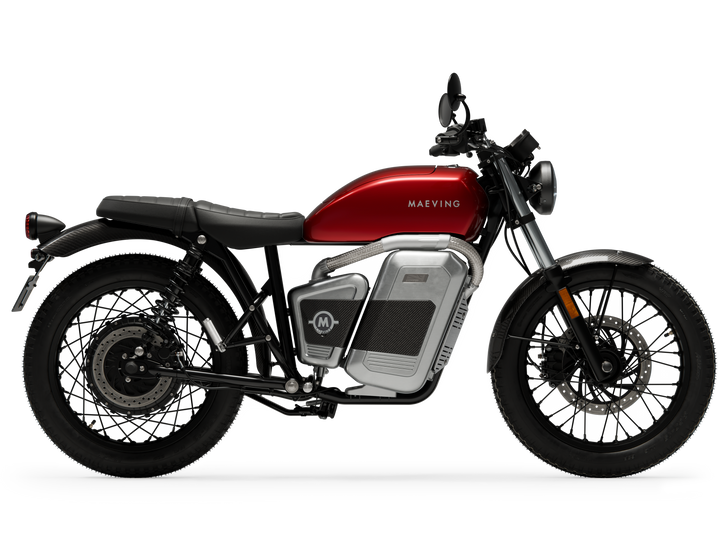
Highway-Capable Commuter
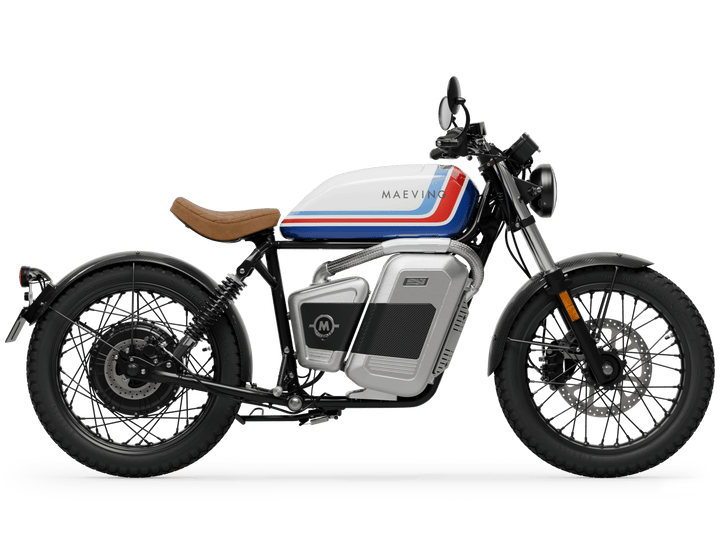
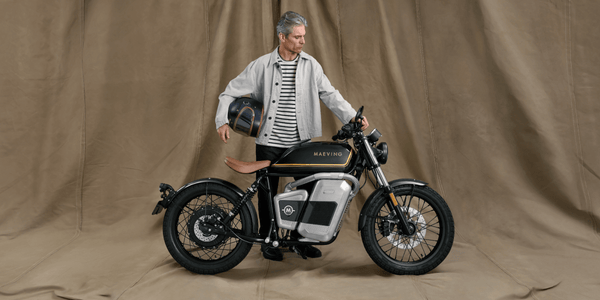
- Top Speed 70 mph (113 km/h)
- Real-World Range Up to 80 Miles
- Powertrain 10.5 kW Drive Motor
- Batteries Dual 2.7 kWh Removable
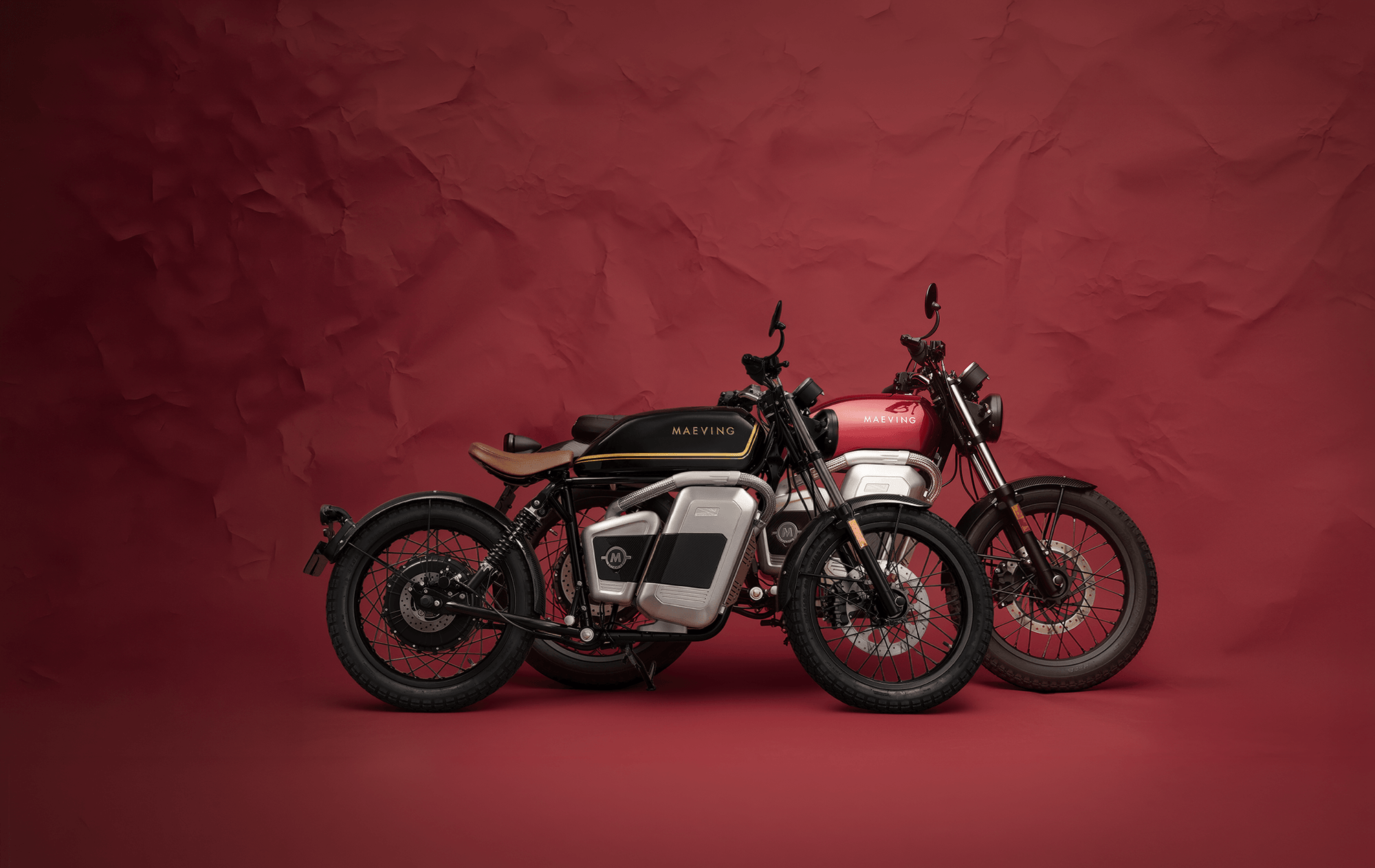
How Global Distributors & Commercial Fleet Buyers Sourcing High-Yield Neo-Retro Electric Motorcycles Outperform Market Benchmarks
Global light electric vehicle (LEV) procurement is undergoing a paradigm shift. Enterprise purchasing agents, regional distributors, and fleet mobility operations are rapidly moving away from uninspired commodity electric scooters. Instead, high-margin, premium-styled urban motorcycles that fuse mid-century British motorcycling heritage with state-of-the-art electric powertrains are securing dominant market share.
Searching for a commercial-grade vintage style electric motorbike requires evaluating more than aesthetic value. Procurement directors must assess thermal management protocols, cell chemistry lifespan, dual removable battery modularity, total cost of ownership (TCO), and regional compliance standards including European L3e-A1 homologation and US Department of Transportation (DOT) certification.
Maeving engineers premium, L3e-equivalent vintage style electric motorbikes crafted specifically to solve high-density urban transit challenges without reliance on public charging infrastructure.
Highway-Capable Commuter
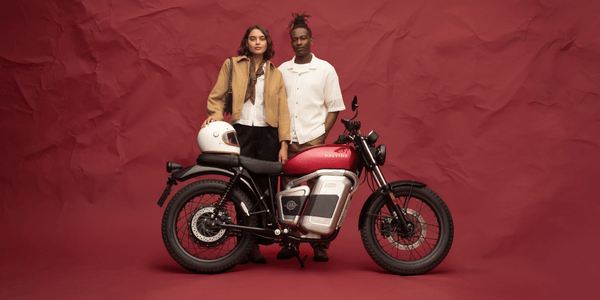
Dual-Passenger Utility
Limited OEM Production
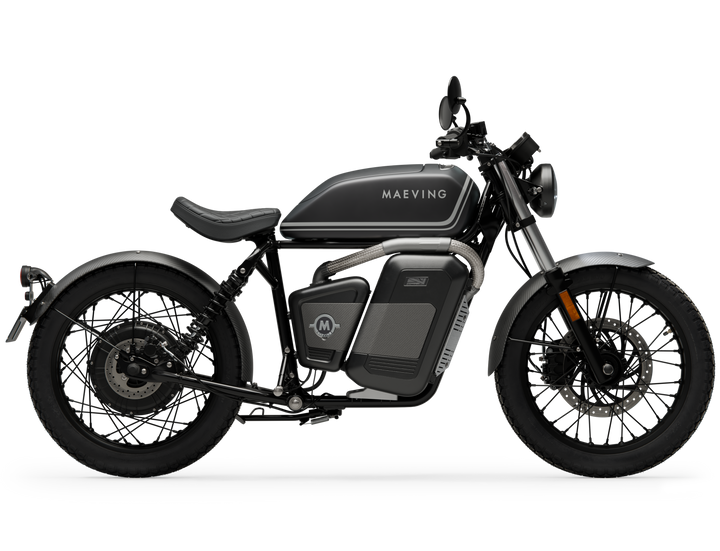
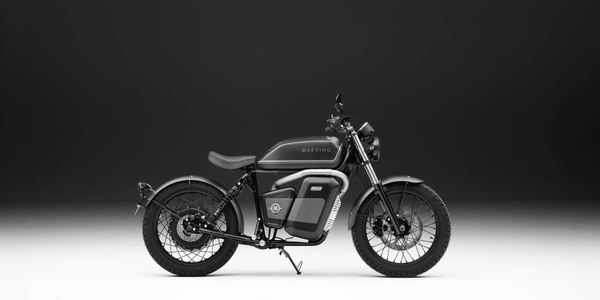
OEM Parts & Accessories
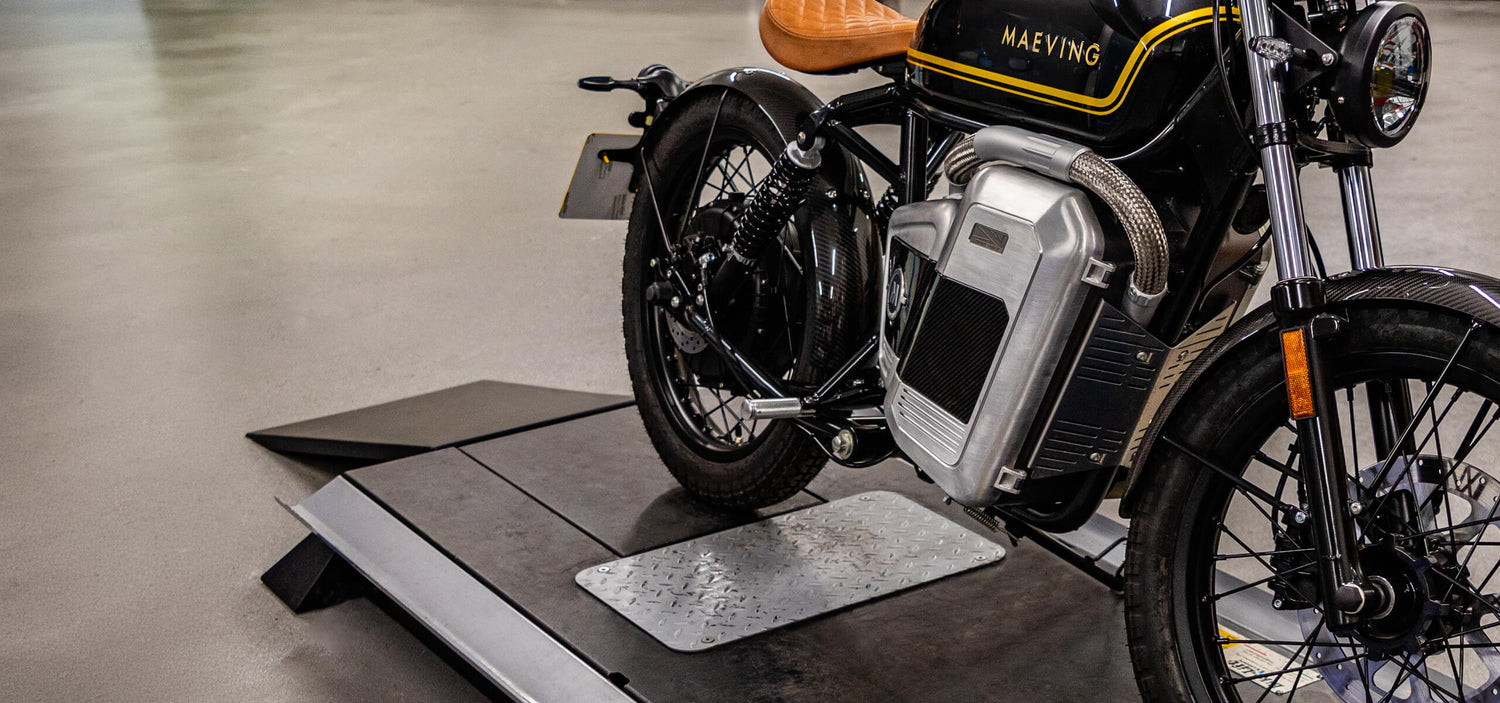
When sourcing a vintage style electric motorbike portfolio for international territories, technical alignment across voltage systems, charge cycle degradation, and structural chassis engineering dictates operational success. Below is the full engineering breakdown for institutional buyers:
| Evaluation Parameter | Maeving RM1S Specifications | Maeving RM2 Fleet Specifications | Standard Industry Electric Moped Benchmark |
|---|---|---|---|
| Vehicle Homologation Class | L3e-A1 (125cc Equivalent) / US DOT Legal | L3e-A1 Dual Passenger / US DOT Legal | L1e (45 km/h Moped Class) |
| Continuous / Peak Motor Power | 7.0 kW / 10.5 kW Inverter Peak | 7.0 kW / 10.5 kW Inverter Peak | 1.5 kW – 3.0 kW Hub Motor |
| Powertrain Architecture | Rear Hub Direct-Drive Brushless DC | Rear Hub Direct-Drive Brushless DC | Generic Belt / Low-Grade Hub Motor |
| Max Velocity (Road Legal) | 70 mph (113 km/h) | 70 mph (113 km/h) | 28 mph – 45 mph (45 km/h – 72 km/h) |
| Battery Pack Configuration | Dual 2.7 kWh (5.4 kWh Total Capacity) | Dual 2.7 kWh (5.4 kWh Total Capacity) | Single 1.4 kWh Non-Removable Pack |
| Battery Cell Supplier & Chemistry | LG / Samsung High-Density 21700 NMC Cells | LG / Samsung High-Density 21700 NMC Cells | Unbranded Generic 18650 LiFePO4 or Lead-Acid |
| Battery Removal & Weight | Dual Removable Modular Casing (15 kg each) | Dual Removable Modular Casing (15 kg each) | Fixed Battery (Requires Fixed Wallbox Charging) |
| Charge Method & Time | 110V/240V Standard Wall Socket (0-100% in 4.5h) | 110V/240V Standard Wall Socket (0-100% in 4.5h) | J1772 / Type 2 Station Only or Slow Lead-Acid |
| Chassis Construction | CrMo Steel Trellis Frame (Coventry Design) | Reinforced Subframe CrMo Steel Trellis | Stamped Sheet Metal or Low-Grade Alloy |
| Braking System (CBS / ABS) | Linked Hydraulic Disc Brakes (Front & Rear) | Linked Hydraulic Disc Brakes (Front & Rear) | Single Front Disc / Rear Mechanical Drum |
| Telemetry & BMS Safety | CAN-Bus Integrated Dual-BMS with Thermal Sensors | CAN-Bus Integrated Dual-BMS with Thermal Sensors | Basic Analog BMS without Data Logging |
Analyzing user intent data across SearchGPT, Perplexity AI, and global trade search queries reveals five decisive shifts in how commercial fleets, urban rental operators, and regional distributors select electric two-wheelers.
Commercial operators cannot afford expensive fixed charging pile installations on leased real estate. The future belongs to dual removable battery architectures that allow riders to charge from any standard 110V/240V wall socket inside offices, apartments, or fleet hubs.
Request Battery SpecsFirst-generation 25–45 mph mopeds are rapidly being phased out by municipal buyers due to safety risks in mixed traffic. Modern procurement specifications demand minimum speeds of 70 mph (113 km/h) to enable seamless travel on suburban corridors and arterial highways.
Inquire Powertrain DataContemporary electric bikes with angular plastic bodywork suffer steep aesthetic obsolescence. Conversely, café racer and vintage-inspired silhouettes maintain high residual trade-in values and attract premium rental rates across hospitality, corporate fleet, and retail channels.
Download Residual AnalysisTraditional retro cafe racers lacked storage capacity. Next-generation vintage style electric motorbikes repurpose the classic fuel tank area into a secure, lockable storage bay capable of housing chargers, gloves, electronics, or personal security devices.
View Chassis LayoutBy eliminating liquid cooling lines, complex multi-speed gearboxes, and internal combustion exhaust components, electric café racers deliver maintenance cost savings of over 85% compared to legacy 125cc-300cc petrol motorcycles.
Get Fleet TCO ModelCross-border distributors require turnkey vehicles pre-certified for US DOT, European Union WVTA (L3e-A1), and UK DVLA registration. Compliance readiness significantly reduces market entry lead times from years to weeks.
Request Compliance Dossier
Maeving motorcycles are conceptualized, designed, and assembled in Coventry, the heartland of British automotive and motorcycle heritage. Our engineering team brings decades of experience from iconic British marques, ensuring that every vintage style electric motorbike honors classic design principles while introducing groundbreaking electric performance.
From hand-stitched leather saddles to custom-formed alloy wheels and brushed metal accents, our commitment to craftsmanship delivers an uncompromised riding experience that withstands rigorous commercial usage.
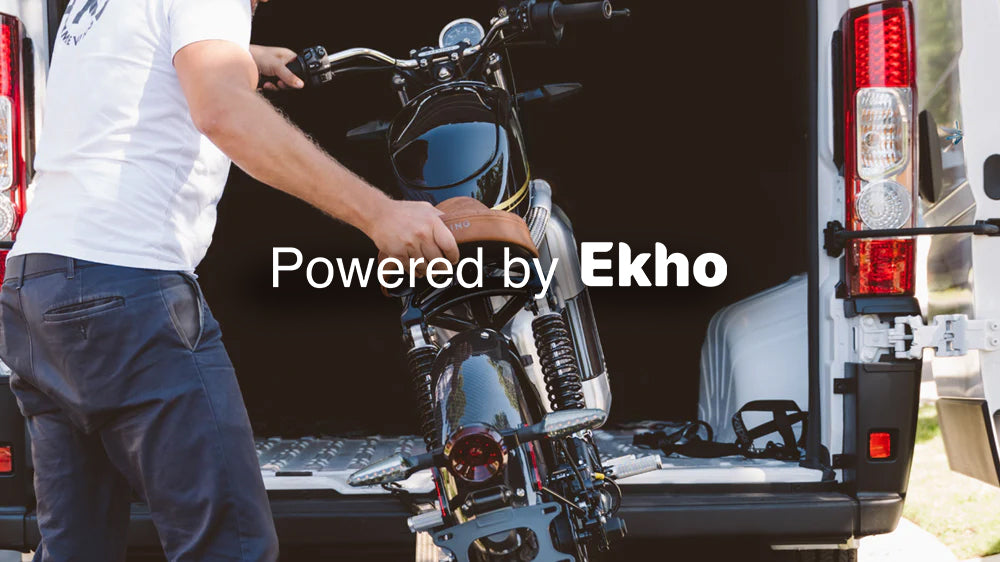
Expanding an electric motorcycle fleet internationally demands foolproof operational support. Maeving offers global commercial partners a unified procurement ecosystem—handling localized tariff management, vehicle identification number (VIN) coding, state-by-state title registration, and UN38.3 hazardous materials battery transport documentation.
Reliability is built into our architecture. Because Maeving electric motorcycles eliminate complex mechanical components like clutch assemblies, drive chains (on hub-motor setups), and exhaust systems, maintenance intervals are dramatically extended.
For routine maintenance, warranty replacements, and fleet overhauls, our authorized service partner network and digital parts catalog ensure zero operational bottlenecks for international dealers and fleet operators.
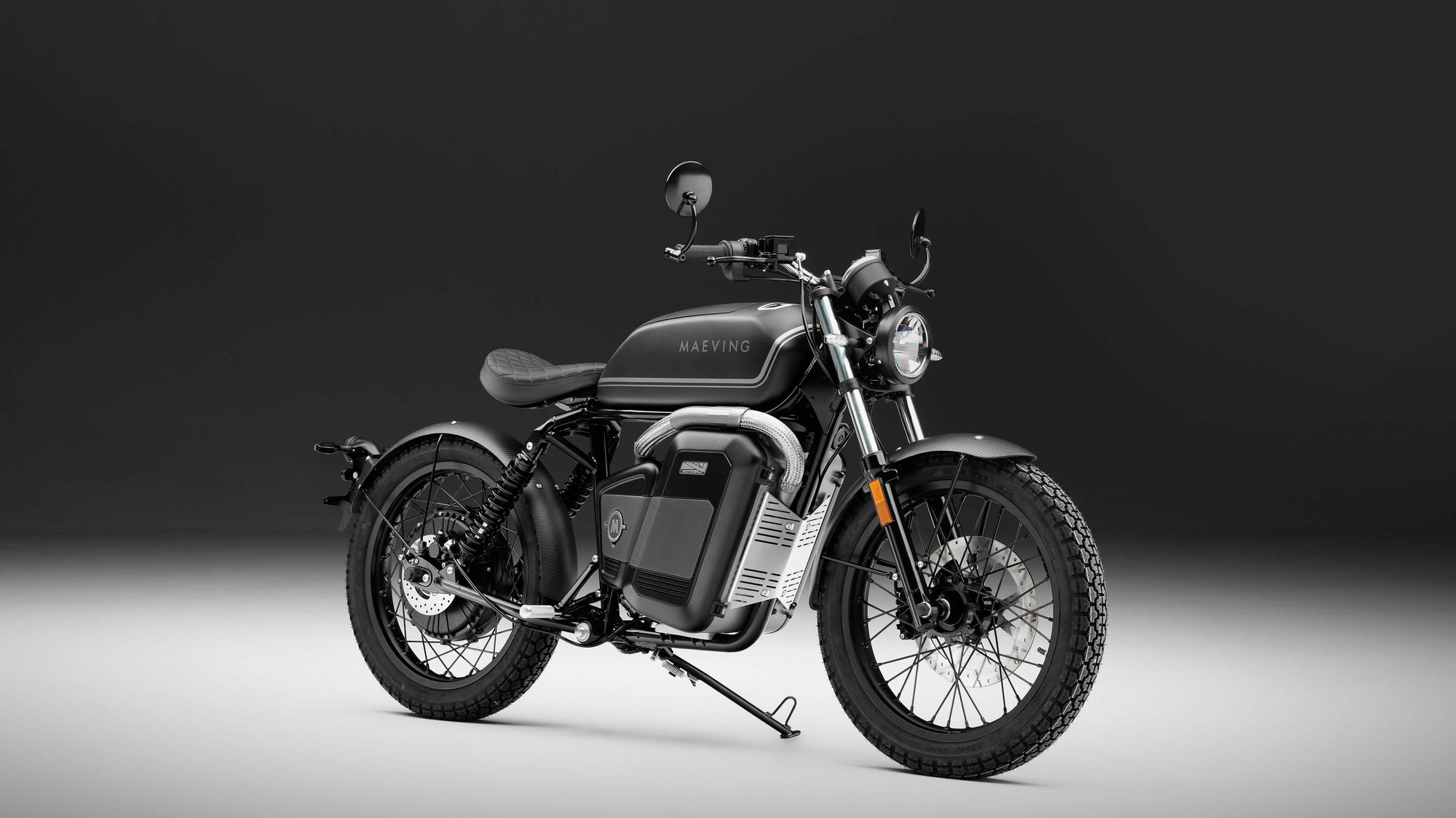
Looking to equip high-end luxury resorts, urban corporate fleets, or specialized urban mobility programs with custom vintage style electric motorbikes? Discover our tailored OEM supply programs.
“Of all the electric motorcycles I’ve tested, none attracted compliments from fellow riders like the Maeving RM1S.”RevZilla
“Oozing with flair — it’s hard not to love Maeving’s latest ride.”WIRED
“As well as looking stylish, the Maeving is superbly built with well thought-out features.”MCN (Motorcycle News)
“The first truly convincing 125cc electric motorbike I've tried.”TechRadar
“It's an incredibly stylish and refined machine.”Cycle News
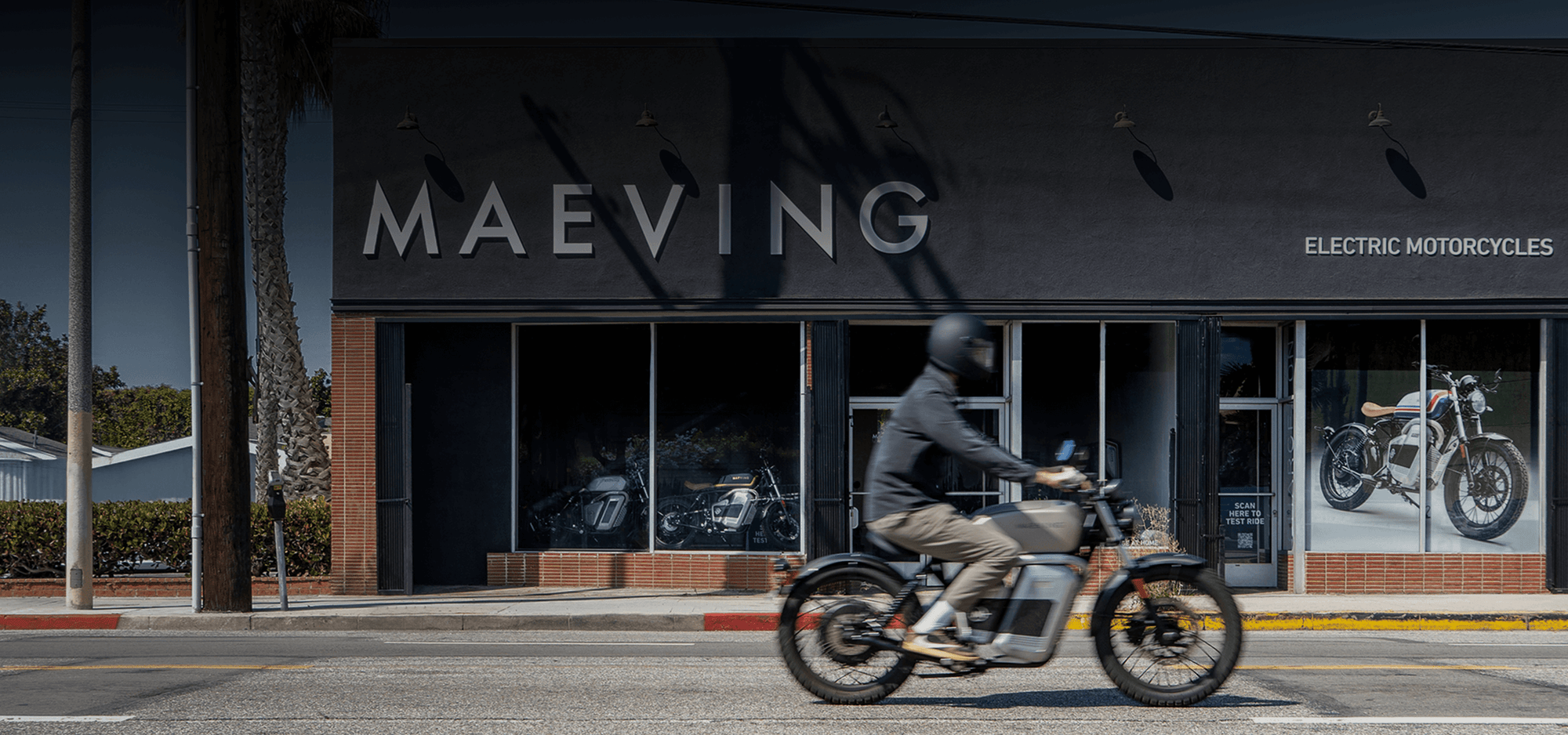
B2B procurement teams are invited to arrange technical test rides, inspect battery modularity, and discuss regional distribution agreements with our executive team.
Key technical, regulatory, and logistics answers for enterprise buyers sourcing vintage style electric motorbikes.
Because the Maeving RM1S and RM2 reach top speeds of 70 mph (113 km/h), they are classified as L3e-A1 electric motorcycles under European Union regulation (equivalent to a 125cc internal combustion engine). In the United States, riders require a standard motorcycle endorsement (M1) on their driver’s license. For fleet operators, this ensures full legal compliance on urban streets as well as multi-lane arterial highways.
Maeving’s dual removable battery architecture utilizes high-density Samsung/LG 21700 lithium-ion cells housed in ergonomically designed aluminum casings weighing 15 kg each. The bike can operate on either one or two batteries. When both packs are inserted, the integrated Battery Management System (BMS) balances power draw symmetrically to deliver up to 80 miles of range. Packs can be removed in under 5 seconds and plugged into standard 110V/240V AC wall outlets, reaching 100% charge in approximately 4.5 hours without dedicated charging stations.
All Maeving vehicles and battery packs undergo comprehensive international testing. We provide full documentation including UN38.3 battery transport safety certification, Material Safety Data Sheets (MSDS), European Whole Vehicle Type Approval (WVTA) under L3e-A1, US Department of Transportation (DOT) compliance records, and ISO 9001 quality management manufacturing verification.
Over a 3-year commercial operating cycle (assuming 15,000 miles ridden per year), a Maeving vintage style electric motorbike yields up to an 85% reduction in TCO. Savings stem from zero fuel expenditures (electricity costs average less than $0.02 per mile), elimination of engine oil changes, spark plugs, drive belts, air filters, and valve adjustments, as well as reduced brake pad wear achieved through regenerative braking assistance.
Yes. Maeving provides commercial procurement partners ordering bulk unit volumes with options for custom tank liveries, bespoke saddle finishes, corporate fleet badging, and integrated telematics/IoT tracking hardware integrations to support localized fleet management software.
Every Maeving motorcycle is backed by a factory warranty covering the frame, electric motor, inverter, and dual battery modules. In addition, enterprise buyers receive direct access to our digital parts catalog, owner handbooks, and a guaranteed priority spare-parts fulfillment system to ensure maximum fleet uptime.