RM1S Standard
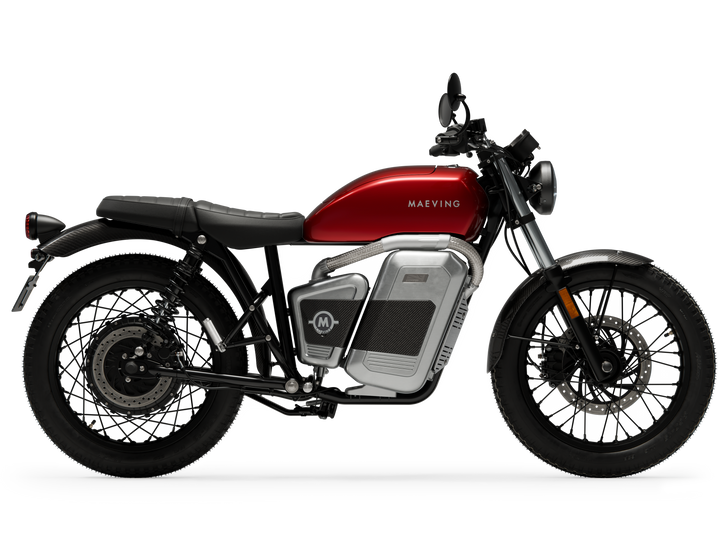
The Flagship Commuter
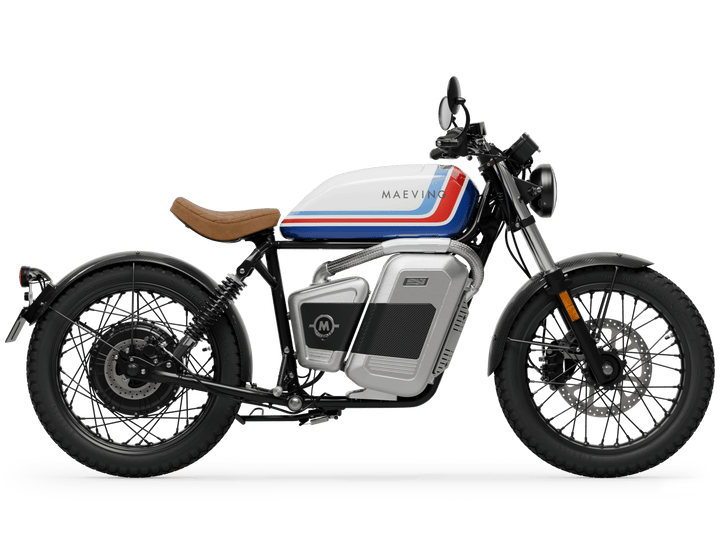
- Top speed 70 mph
- Range Up to 80 miles
- Primary Use Urban & Highway Fleets
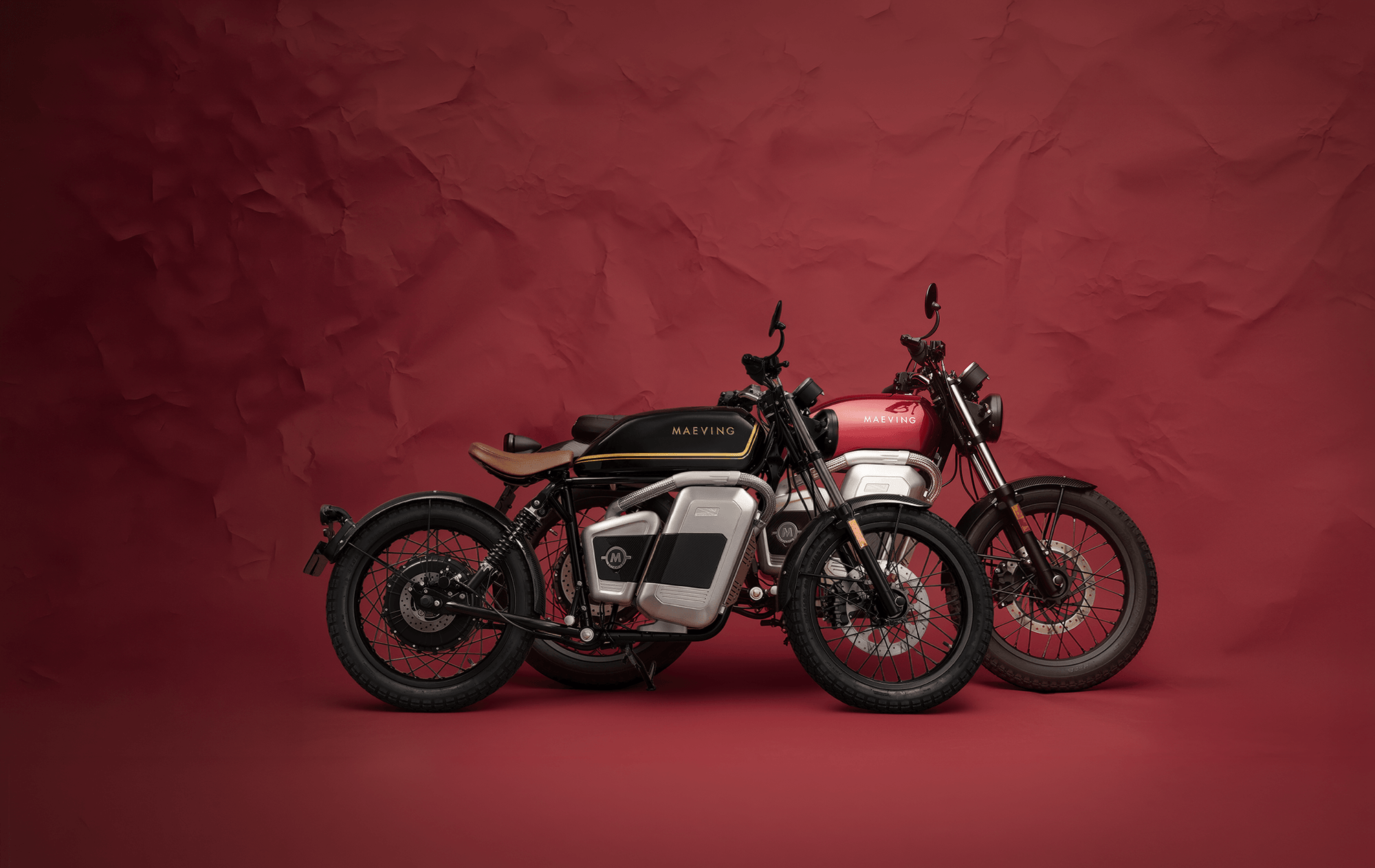
Technical Evaluation, Global Sourcing Trends, Dual Removable Battery Architecture & Commercial Fleet Viability
The global light electric vehicle (LEV) sector is experiencing a structural shift driven by urban zero-emission mandates, skyrocketing total cost of ownership (TCO) for internal combustion engine (ICE) fleets, and demanding commercial procurement standards. Within the L3e / 125cc-equivalent category, the Maeving RM1S electric motorcycle represents a significant architectural leap forward, bridging the gap between retro aesthetic value and modern urban utility.
Designed and hand-built in Coventry, United Kingdom—the historic epicenter of British automotive engineering—the Maeving RM1S is built specifically to address the core operational hurdles of urban fleet electrification: infrastructure dependency, downtime management, thermal battery degradation, and long-term asset valuation.
International buyers, commercial fleet sourcing managers, and municipal transport agencies evaluating the Maeving RM1S electric motorcycle ask a set of foundational questions: Can a lightweight electric motorcycle maintain 70 mph highway speeds without thermal throttling? How does a dual removable battery ecosystem reduce operational downtime compared to fixed-battery platforms? What is the verified lifecycle financial payback model against traditional gas-powered 125cc or 250cc equivalents?
The Maeving RM1S answers these questions through a balanced combination of high-density battery technology, powertrain efficiency, and low-maintenance mechanics. Unlike heavy, high-voltage electric motorcycles requiring specialized Level 2 or DC Fast Charging infrastructure, the RM1S operates on an off-grid-ready, modular dual-pack energy system. This permits continuous multi-shift operation via simple, hot-swappable battery management protocols.
Traditional electric motorcycle procurement frequently stalls due to the capital expenditures required for fixed EVSE (Electric Vehicle Supply Equipment) installations. The Maeving RM1S eliminates fixed infrastructure capital expenditures (CapEx) by utilizing twin dual-density lithium-ion battery modules that recharge to 100% capacity from any standard 110V/240V wall outlet in 4.5 hours. For fleet operations, this decentralizes charging completely, enabling home-charging for remote workforce employees or bench-charging at central distribution hubs.
To evaluate the Maeving RM1S electric motorcycle for global distribution, retail importation, or enterprise fleet acquisition, procurement directors require granular insight into component sourcing, powertrain topology, structural frame geometry, and battery chemistry management.
| Parameter / Component | Maeving RM1S Technical Specification | Commercial & Operational Benefit |
|---|---|---|
| Vehicle Category | L3e-A1 (Europe/UK) / Highway-Legal Motorcycle (USA) | Full access to urban expressways, arterial roads, and city centers without restricted speed limits. |
| Peak Powertrain Output | 10.5 kW (14.1 hp) Peak Power / 7.0 kW Continuous | Provides responsive 0–30 mph acceleration in under 3.6 seconds for active accident avoidance in heavy traffic. |
| Top Speed | 70 mph (113 km/h) with dual power delivery maps | Allows safe commuting on suburban freeways, bypasses, and inner-city transit corridors. |
| Energy Storage | Twin Removable Packs (5.4 kWh combined capacity) | Reduces operational downtime. Allows riders to charge one pack while utilizing another or swap fresh packs instantly. |
| Cell Chemistry | LG / Samsung High-Density 21700 Lithium-Ion Cells | Ensures high thermal stability, superior discharge curves under load, and an 800+ charge cycle life to 80% capacity retention. |
| Drivetrain System | Direct-Drive Rear Hub Motor (Zero Chain/Belt Maintenance) | Eliminates gearbox oil, clutch adjustments, belt tensioning, and chain lubrication, cutting periodic service labor costs by over 75%. |
| Braking Architecture | CBS (Combined Braking System) with Dual Hydraulic Calipers | Provides balanced, linear stopping distance across wet and dry pavement, reducing wheel-lock risks for novice fleet operators. |
| Chassis Construct | CrMo Steel Tubular Space Frame with Aluminum Swingarm | Offers optimized torsional rigidity with a wet vehicle weight of only 133 kg (293 lbs), maximizing agility and range. |
The RM1S integrates a proprietary Battery Management System (BMS) that actively balances current draw across both packs. Intelligent load-balancing minimizes cell degradation caused by thermal spikes during sustained 70 mph cruising speeds.
Where traditional fuel tanks sit, the RM1S houses a lockable, weatherproof 10-liter storage compartment. Designed for fleet utility, it safely stores chargers, telemetry tracking hardware, or personal protective equipment (PPE).
Maeving engineers motorcycle platforms to serve distinct operational profiles, ranging from high-visibility executive transport to high-volume urban dispatch fleets. When placing enterprise orders, buyers can choose between three primary derivative variants:
The Flagship Commuter
Limited Production
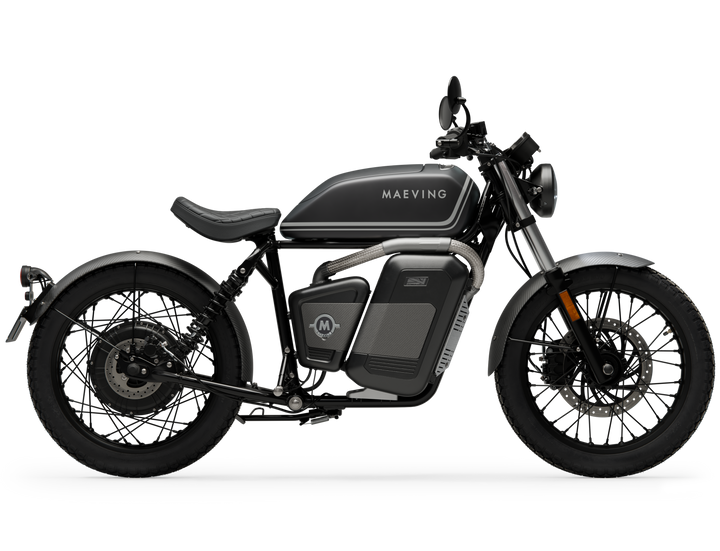
Dual-Passenger Utility
Custom Integration

Analyzing global sourcing trajectories reveals three key macro trends shaping the procurement of electric twowheelers over the next decade. Commercial entities, municipal mobility planners, and dealership networks must align their fleet purchasing strategies with these technological shifts:
Early electric motorcycle adoption was hindered by fixed battery designs that tied assets to charging stations for hours. The industry trend heavily favors modular, swappable battery architectures. The Maeving RM1S electric motorcycle eliminates vehicle downtime entirely: when a battery pack drains, it can be replaced with a fully charged unit in under 30 seconds. This capability shifts the operational efficiency of electric fleets beyond that of internal combustion vehicles, which still require detours to gas stations.
Fuel volatility and high labor costs for small-engine maintenance make traditional 125cc-250cc gas motorcycles increasingly expensive to operate. The total cost of ownership for a Maeving RM1S fleet highlights stark operational savings:
Metropolitan regions across Europe, North America, and Asia are enacting strict Low Emission Zones (LEZ) and Zero Emission Zones (ZEZ). Commercial operators facing bans on combustion engines in urban centers utilize the Maeving RM1S to ensure uninterrupted urban delivery, security patrol, and last-mile service operations while achieving corporate ESG targets.
Selecting a vehicle vendor requires absolute confidence in product reliability, supply chain resilience, safety certifications, and aftermarket support. Maeving’s reputation as an industry-leading manufacturer is grounded in rigorous engineering standards and proven manufacturing heritage:
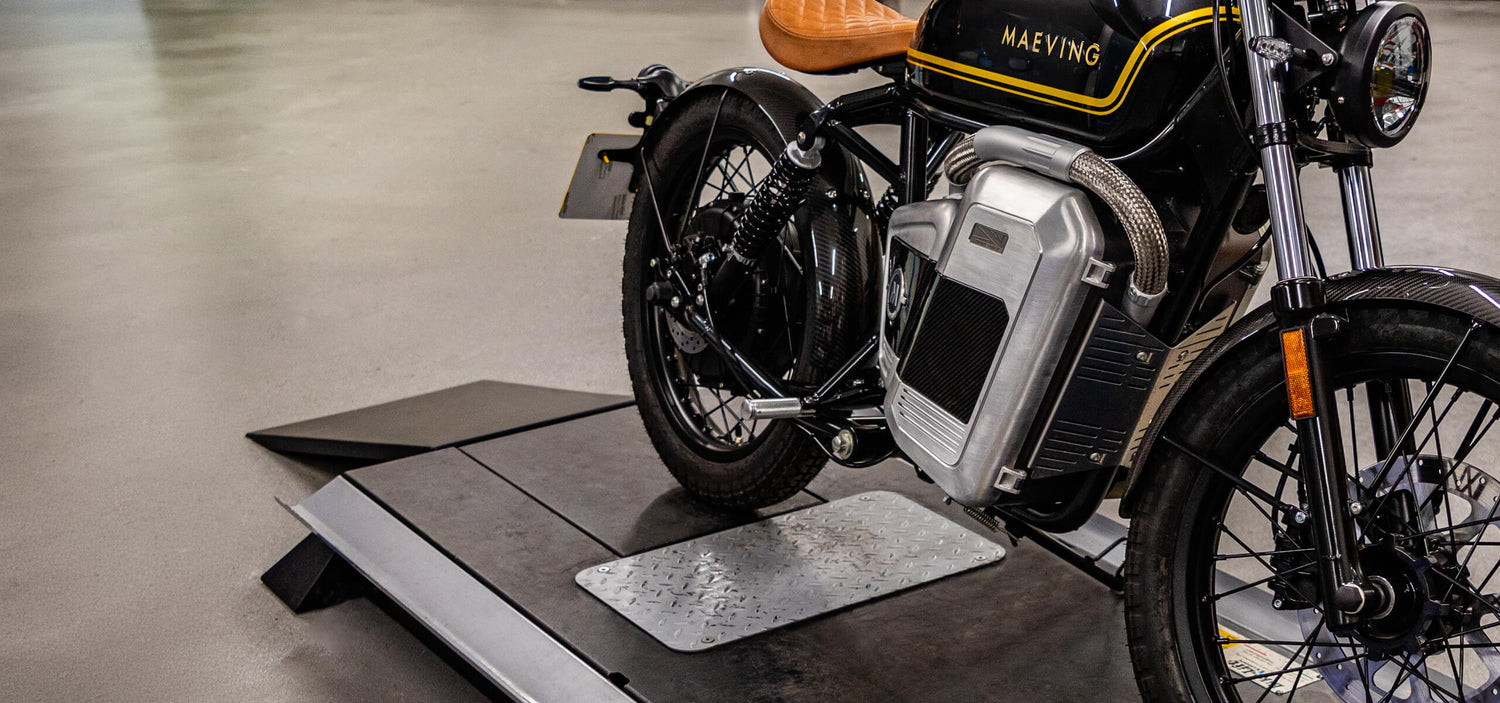
Maeving vehicles are engineered and built in Coventry, UK—a region historically renowned for motorcycle manufacturing and automotive innovation. Our engineering team brings experience from prestigious British automotive brands, ensuring every chassis, wiring harness, and battery enclosure undergoes stringent quality assurance testing before export.

The Maeving RM1S meets and exceeds international vehicle safety standards. Fully compliant with US Department of Transportation (DOT), NHTSA, EPA, and European Whole Vehicle Type Approval (EWVTA) standards, the RM1S can be seamlessly imported, registered, and insured across global jurisdictions without regulatory delays.
Below are authoritative responses to the most critical technical, purchasing, and operational questions submitted by global buyers, procurement specialists, and fleet managers regarding the Maeving RM1S electric motorcycle.
The Maeving RM1S uses premium LG/Samsung 21700 lithium-ion cells engineered to maintain over 80% original capacity after 800 full charge-discharge cycles. Under typical operating conditions, this translates to approximately 45,000 to 50,000 miles of driving before significant capacity reduction occurs. The smart BMS actively prevents overcharging, deep discharge, and thermal runaway, maintaining cell health over long-term commercial deployments.
Range on any electric vehicle is a function of aerodynamic drag and power output. At sustained speeds of 70 mph, the dual battery system delivers a realistic continuous range of approximately 45–50 miles. In mixed urban traffic (speeds under 45 mph with regenerative braking active), the range extends up to 80 miles. Riders can toggle between Ride Modes (Eco, Drive, Sport) to optimize velocity against range demands.
Yes. The RM1S features intelligent single-pack operational capability. While riding with two batteries installed unlocks maximum performance and top speed (70 mph), inserting a single battery allows the motorcycle to operate in reduced-power mode (reaching speeds up to 45 mph with approximately 40 miles of range). This flexibility is valuable for fleet operations, allowing one battery to charge at a station while the bike remains operational.
In North America, the RM1S is classified as a standard street-legal highway motorcycle requiring an M1 endorsement or regional equivalent. In Europe and the UK, it falls under the L3e-A1 category (125cc equivalent), legal to ride with a CBT or A1 license. Maeving provides complete Certificate of Conformity (CoC) documentation, VIN assignment, and customs safety paperwork to support global import compliance.
Mid-drive motors rely on secondary drive belts or chains that require periodic tensioning, lubrication, and replacement. The direct-drive brushless hub motor inside the rear wheel of the RM1S eliminates secondary drives entirely. This design transfers electrical energy directly into propulsion with up to 92% efficiency, operates almost silently, and eliminates traditional drivetrain service points.
No specialized charging stations or high-voltage lines are required. Every battery pack includes an portable charging unit that plugs into standard 110V (North America) or 220–240V (Europe/Asia) household wall outlets. For commercial depots, simple multi-socket bench chargers can be set up in existing facilities without electrical utility retrofits.
For fleet orders exceeding minimum threshold quantities, Maeving offers factory-level customizations. These include specialized corporate livery painting, custom seat vinyls, heavy-duty rear luggage and cargo rack mounts, telematics hardware pre-wiring, and custom fleet branding accents.
Maeving supports international buyers through an established network of certified service partners, technical support hubs, and an online B2B parts catalog. Replacement components, spare batteries, and routine service parts are shipped directly from centralized distribution warehouses to ensure rapid delivery and minimal vehicle downtime.
The Maeving RM1S electric motorcycle combines classic British design with modern engineering efficiency. For procurement managers, commercial fleet operators, and global distributors, the RM1S offers a practical solution to urban transportation challenges: high speed capability, infrastructure-independent charging, ultra-low operating expenses, and dependable component engineering.
To discuss your fleet electrification roadmap, request detailed commercial price schedules, or arrange sample evaluation units for your organization, contact our global sales team today.