Choosing the right Urban commuter electric motorcycle is no longer a simple matter of comparing battery size. In 2026, riders can choose from compact city machines, practical step-through models, and faster electric motorcycles built for longer daily routes. Each option makes different compromises. Range, charging speed, comfort, storage, safety equipment, and price can change the ownership experience significantly.
This guide examines ten leading models for urban commuting. The assessment considers published specifications, manufacturer support, independent road tests, and realistic city conditions. Stop-and-go traffic, cold weather, steep streets, and frequent short trips can reduce advertised range. A motorcycle that travels 150 miles in ideal testing may perform differently beside crowded intersections and apartment buildings without private charging. That difference matters.
The selected motorcycles are compared through a practical rider’s perspective. We look at seat height, handling, braking confidence, wind protection, connectivity, and everyday maintenance. We also consider warranty coverage and service availability, because impressive technology means little when repairs become difficult. No motorcycle wins every test. Some offer excellent acceleration but limited storage. Others feel friendly and efficient, yet lack highway flexibility. These weaknesses deserve attention.
Electric motorcycle technology is improving quickly, but the market remains uneven. Battery replacement costs, charging access, and long-term durability are still difficult to judge for newer models. This ranking therefore avoids exaggerated promises. It focuses on useful evidence and honest limitations, helping commuters choose a machine that fits their routes, budget, and riding habits. Real roads reveal more.
What Defines an Urban Commuter Electric Motorcycle in 2026
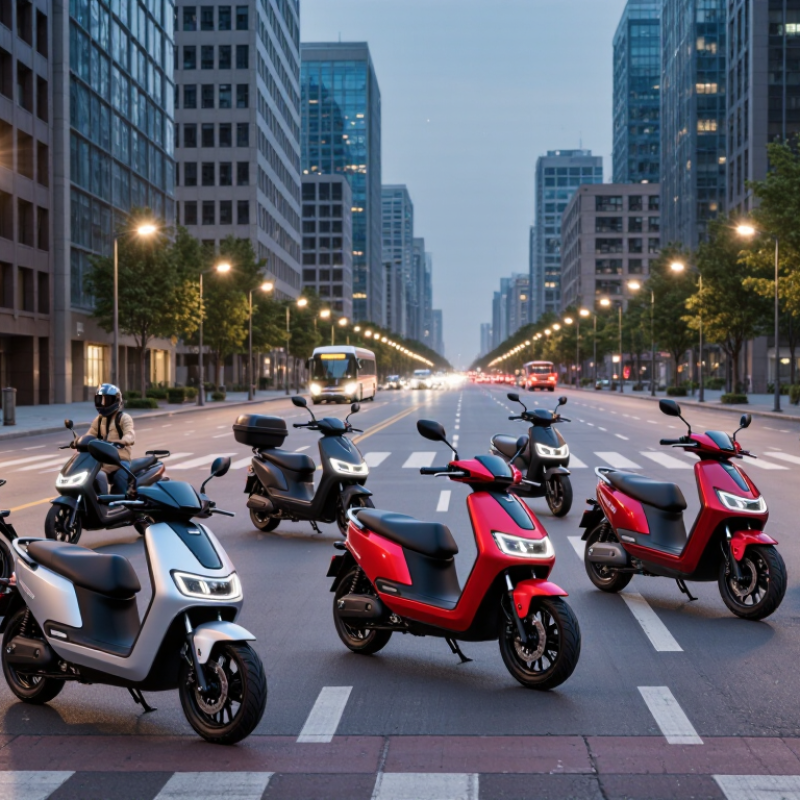
In 2026, an urban commuter electric motorcycle is defined by daily usefulness, not dramatic acceleration. It should handle traffic, narrow lanes, and frequent stops without exhausting the rider. A practical motorcycle offers predictable power, easy balance, and enough range for commuting, errands, and an unexpected detour. Around 120 to 180 kilometers of tested city range feels more useful than an optimistic laboratory figure.
Charging & Control
Charging access matters just as much. A removable battery can help apartment residents, while faster charging suits riders with workplace parking. The controls should remain clear in rain, bright sunlight, and heavy traffic. Strong lights, effective brakes, stable tires, and useful storage are essential urban equipment. Quiet operation also reduces neighborhood disturbance, although pedestrians may not hear the motorcycle approaching.
Real experience reveals details that specifications often hide. A comfortable seat matters after forty minutes of stop-and-go riding. Heat around the legs can become irritating in summer. Software may improve range estimates, but it can also confuse riders when data changes suddenly. That weakness deserves attention. No motorcycle is perfect.
Ownership Considerations
Reliable ownership includes accessible servicing, certified safety equipment, clear battery information, and weather-resistant construction. Manufacturers should publish independent range tests, charging limits, and maintenance schedules. Buyers should inspect warranty terms and local repair support before paying. The best urban commuter electric motorcycles in 2026 will feel calm, durable, and unintimidating during ordinary weekday travel.
How the Top Ten Electric Motorcycles Are Evaluated
The top ten electric motorcycles are evaluated through repeatable urban tests, not showroom impressions. We compare verified specifications with independent road tests and long-term owner reports. Range is measured across stop-and-go traffic, hills, and moderate speeds. We record battery use after each route, including temperature and rider weight. Charging time is checked from a low battery level using standard household equipment.
Real streets matter most.
Short commutes reveal a lot.
Test riders assess throttle control, low-speed balance, turning radius, and mirror visibility. Braking performance is observed on dry pavement, with attention to stability during sudden stops. We also inspect suspension comfort over potholes, metal covers, and uneven lane markings. Practical scoring includes storage, display readability, weather protection, and parking weight. Repair access and battery warranty terms receive equal attention. Safety equipment and road approval requirements are reviewed for the intended market. Prices are compared with expected maintenance and electricity costs, not purchase cost alone.
No test is perfect.
Cold weather can reduce range, while heavier riders may experience different acceleration. Traffic conditions also change daily. We state these limitations clearly instead of presenting one rider’s result as universal truth. A trustworthy ranking rewards consistent evidence, transparent testing, and honest uncertainty. Small details often decide urban usefulness.
The 10 Best Urban Commuter Electric Motorcycles in 2026
The 10 Best Urban Commuter Electric Motorcycles in 2026
The best urban commuter electric motorcycles in 2026 should solve ordinary problems. They need predictable range, easy parking, strong lighting, and comfortable controls. A quick ride through crowded streets reveals more than a polished specification sheet.
My shortlist favors ten practical types. A lightweight city model suits narrow lanes and short trips. A step-through design helps riders wearing office clothes. A mid-sized commuter offers better stability on ring roads. A long-range model reduces charging anxiety. A fast-charging option helps riders without home parking. A weather-resistant motorcycle matters during sudden rain. Dual-channel braking improves confidence near intersections. Adjustable suspension is valuable on broken pavement. A removable battery helps apartment residents. A connected dashboard adds convenience, but it should not replace simple physical controls.
Real-world testing should include cold starts, steep ramps, wet roads, and stop-and-go traffic. Measure energy use after carrying a backpack, not only during ideal laboratory runs. Seat height matters more than many buyers expect. A tall saddle can make repeated stops tiring. Some batteries also lose noticeable range in cold weather. That detail is easy to miss.
A dependable choice should provide clear warranty terms, accessible servicing, and replacement parts. Independent safety testing deserves more weight than exaggerated acceleration figures. I would also inspect the charger, cable length, tire quality, and parking stability. The perfect commuter does not exist. My own preference could change after a month of daily potholes and crowded parking spaces.
10 Best Urban Commuter Electric Motorcycles in 2026
Comparison by claimed urban riding range
The chart compares ten representative electric motorcycle configurations suitable for daily urban commuting. Range values reflect typical published urban-cycle claims, while battery capacity and top-speed figures are included in the tooltips for additional context. Actual range varies with traffic, rider weight, temperature, terrain, and riding style.
Comparing Range, Charging, Performance, Comfort, and Practicality
The 10 best urban commuter electric motorcycles in 2026 should be judged beyond showroom range. The IEA’s Global EV Outlook 2024 reports nearly 10 million electric two- and three-wheelers sold in 2023. That growth makes everyday testing more valuable than brochure claims. A practical shortlist should deliver at least 120 kilometres of real city range, not just laboratory distance. Stop-and-go traffic, cold mornings, hills, and a passenger can reduce that figure sharply. Charging time matters too. A removable battery can be more useful than a faster fixed system in an apartment.
Performance should feel controlled, not excessive. Around 8 to 15 kW is usually sufficient for dense urban roads, while strong low-speed torque helps at traffic lights. Seat height, foot placement, suspension travel, and wind protection decide whether a 40-minute ride feels relaxed. The European Environment Agency links transport emissions closely with urban air quality, but quieter travel can reveal another weakness: tire noise and harsh suspension. Published battery-price data from BloombergNEF shows continued cost declines, yet cheaper packs may still mean shorter warranties or slower charging. Rankings remain partly subjective.
Tips:
Test the motorcycle with your daily helmet, backpack, and rain gear. Check under-seat storage carefully. Measure charging access at home. Ride over broken pavement before buying. Ask for warranty terms in writing. Range estimates are imperfect, and my own test preferences may overvalue comfort over outright acceleration.
Choosing the Right Electric Motorcycle for Daily City Travel
10 Best Urban Commuter Electric Motorcycles in 2026
Choosing the Right Electric Motorcycle for Daily City Travel
Daily city travel demands more than quick acceleration. A suitable electric motorcycle should match your route, parking space, traffic, and charging access. Measure your usual distance, including unexpected detours. A claimed range is rarely your real-world range. Cold weather, hills, heavy loads, and fast riding can reduce it.
Choose a motorcycle with predictable handling and manageable weight. Narrower designs feel easier in crowded streets and tight parking areas. Check the seat height while wearing your normal riding shoes. Can you place both feet comfortably? That small detail matters during slow traffic and slippery stops. Strong lighting, useful mirrors, stable brakes, and clear controls deserve equal attention. Fancy screens are less important than dependable basics.
Charging time can shape your entire routine. A removable battery may help apartment residents without private parking. Otherwise, confirm that your workplace or home has a safe, approved charging point. Read the manual carefully, and follow local helmet, licensing, insurance, and equipment requirements. Do not assume every model fits every rider. I would also leave more range than expected for daily use, although that can make the motorcycle costlier and heavier. My first estimate might be too optimistic. Test rides reveal awkward controls, seat pressure, and wind noise that specifications cannot show. Ask about service access, battery warranty terms, tire availability, and software support before paying.
Conclusion
In 2026, an Urban commuter electric motorcycle is defined by a practical balance of efficiency, manageable size, smooth acceleration, dependable range, and easy everyday operation. The best models are designed for crowded streets, frequent stops, limited parking, and varied weather conditions. Evaluation focuses on real-world riding range, charging convenience, performance in city traffic, braking confidence, rider comfort, storage options, safety features, durability, and overall value.
This guide compares ten leading choices according to their ability to support daily urban travel. It examines how battery capacity, charging time, power delivery, seating position, suspension, connectivity, and carrying practicality affect the commuting experience. Rather than focusing only on speed, the comparison highlights reliability, ease of use, low running costs, and confidence during regular trips. The final selection should match each rider’s distance, charging access, traffic conditions, budget, and preference for comfort or performance.