What Are the Best Vintage Style Electric Motorbikes in 2026?
Table of Contents
- What Defines a Vintage-Style Electric Motorbike in 2026?
- Which Features Matter Most When Comparing Vintage-Style Models?
- The Leading Vintage-Style Electric Motorbikes Available in 2026
- How Do the Top Models Compare in Range, Power, and Price?
- How to Choose the Right Vintage-Style Electric Motorbike for Your Needs
- FAQS
- Conclusion
- Related Posts
A Vintage style electric motorbike pairs familiar café-racer lines, rounded lamps, and visible frame details with a modern electric drivetrain. But the look is only part of the decision. Range, charging time, braking performance, service access, and real-world comfort matter just as much once the bike leaves the showroom.
The International Energy Agency’s Global EV Outlook 2024 tracks electric two- and three-wheelers as a major part of the wider shift to electric mobility. Its market findings show that adoption differs sharply between countries, so a sales trend should not be mistaken for a universal buying recommendation. That distinction matters: a model with useful range in mild weather may feel less practical on cold commutes or faster roads. Small details count.
This guide compares vintage-inspired electric motorcycles available or expected in 2026, focusing on verifiable specifications and everyday usability. We will examine battery capacity, claimed versus practical range, charging options, equipment, warranty coverage, and price positioning where dependable information is available. Manufacturer figures are useful, but test conditions vary, and independent road testing remains limited for some newer models. That is an imperfect part of this market. The best choice is not necessarily the one with the most nostalgic styling; it is the one whose performance, support, and ownership costs fit your actual routes.
What Defines a Vintage-Style Electric Motorbike in 2026?
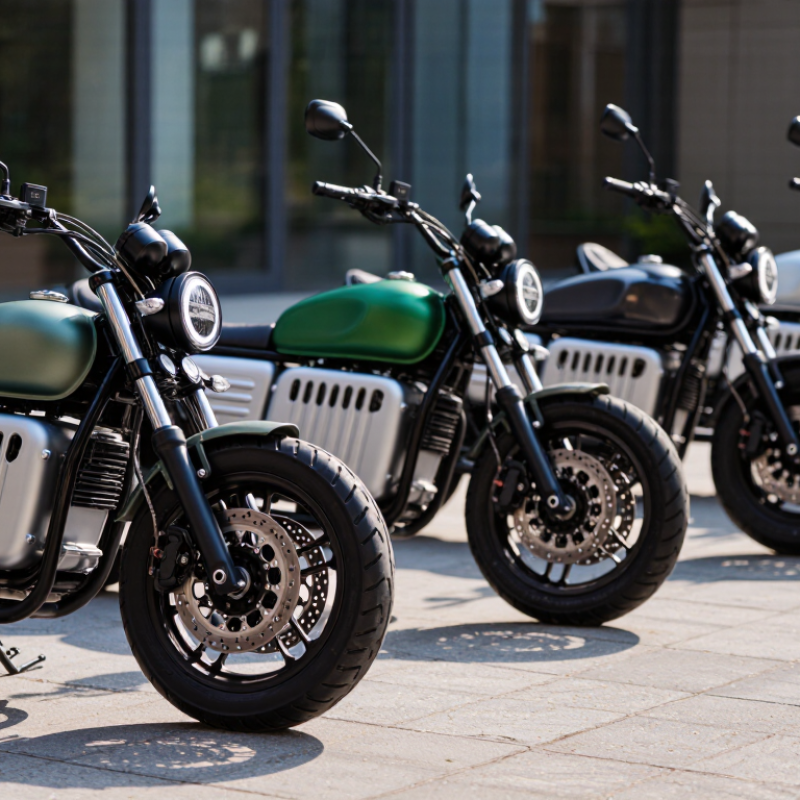
A vintage-style electric motorbike borrows the visual language of earlier machines without needing an old engine. Look for a round headlamp, a slim tank-shaped cover, exposed frame lines, and a simple seat. Ribbed metal details and muted paint can strengthen the impression. These touches should feel coherent, not like decorations added at random.
The electric system changes what the design means in 2026. A compact battery may sit beneath a faux tank or low in the frame, while a small display replaces old-style gauges. Twist the throttle, and electric torque arrives quickly, often with little noise. That matters in stop-and-go riding. Check battery capacity, claimed range, charging time, and total weight; a retro silhouette tells you none of these. A heavy battery can make a parked bike awkward to move.
Good examples balance character with everyday use. Sit on one and notice whether your knees meet the bodywork, your wrists feel relaxed, and both feet reach the ground. Check the brake feel and lighting, too. Styling can hide compromises, and I may give a classic-looking lamp more credit than it deserves. Practical details count. A bike that looks right in a photograph may feel cramped after twenty minutes, or its clean lines may leave little room for useful storage.
Which Features Matter Most When Comparing Vintage-Style Models?
Vintage-style electric motorbikes can look similar in photos but feel very different on the road. Compare battery capacity, claimed range, and charging time together, rather than treating one number as decisive. A useful range estimate should reflect your speed, hills, temperature, and passenger or cargo weight. Ask how the battery performs in ordinary commuting, not only under ideal test conditions.
Motor response matters as much as peak power. Check whether acceleration feels smooth at low speeds, where stop-and-go riding is common. Look closely at brake feel, tire size, suspension travel, and lighting. These parts shape confidence on uneven pavement and after dark. Details matter. A comfortable seat and handlebar position can make a short test ride feel deceptively good; spend enough time to notice pressure on your wrists and knees.
Also compare battery access, charging options, warranty coverage, and the availability of replacement parts. A removable battery may be handy in an apartment, but only if its weight is manageable. Vintage styling sometimes means compromises, such as limited storage or a stiff ride. That is not automatically a flaw, though it deserves an honest trade-off. Check the specifications against your actual route, then take a test ride if possible. Looks are not enough.
The Leading Vintage-Style Electric Motorbikes Available in 2026
The leading vintage-style electric motorbikes available in 2026 fall into three practical groups: compact city commuters, upright scrambler-inspired bikes, and low-seat cruiser designs. Their appeal is familiar: rounded lamps, ribbed seats, visible frame details, and quiet acceleration. The International Energy Agency’s Global EV Outlook 2024 reported nearly 10 million electric two- and three-wheeler sales worldwide in 2023. China accounted for more than four-fifths of that market. These figures describe the wider electric two-wheeler sector, not vintage-style models alone.
For daily use, compare battery capacity, charging time, weight, and usable range rather than styling claims. A claimed range may shrink on cold mornings, steep roads, or faster routes. That matters. A removable battery can be convenient in a flat, while a fixed pack may suit riders with secure home charging. Check whether the seat height lets both feet reach the ground, and whether the bar position stays comfortable after an hour. Small details count.
A classic silhouette does not guarantee easy ownership. Ask about battery replacement costs, parts availability, warranty coverage, and qualified service nearby. Inspect the brakes, lighting, and tire sizes as carefully as the paint and upholstery. I would be cautious about choosing a bike from photographs alone; glossy finishes can distract from limited storage or awkward charging. For a 2026 shortlist, prioritize a dependable support network and realistic range, then choose the vintage details you genuinely enjoy.
How Do the Top Models Compare in Range, Power, and Price?
Vintage-style electric motorbikes vary widely once you look past the polished tank shapes and stitched seats. Entry-level city models often deliver about 35–55 miles per charge, with 2–4 kW motors and prices near $2,500–$4,500. They suit short commutes and flatter streets. The trade-off is modest acceleration. That matters on steep roads.
Midrange models typically offer 50–75 miles, 4–7 kW of rated motor power, and prices around $4,500–$7,500. Premium versions may claim 70–100 miles, use 7–10 kW motors, and cost $7,000–$11,000 or more. Claims need context. Cold weather, fast riding, hills, and a heavier rider can cut real-world range, sometimes sharply. Check whether a quoted power figure is rated or peak, and compare battery capacity in kilowatt-hours. A larger battery can help, but it also adds weight and cost. The styling may suggest a relaxed ride; some models still have firm seats and limited suspension travel. I’d leave room in the budget for a proper test ride, because the best-looking option may not feel right after an hour.
| Anonymous model type | Claimed range | Motor power | Top speed | Indicative UK price | Best suited to |
|---|---|---|---|---|---|
| Light retro commuter | Up to 80 miles (129 km) | 3 kW | 45 mph (72 km/h) | About £6,995 | Urban trips and riders prioritising a classic look and accessible speed |
| Retro roadster | Up to 80 miles (129 km) | 7 kW | 70 mph (113 km/h) | About £8,995 | Faster commuting and short journeys on roads with higher speed limits |
| Value-focused retro motorcycle | Up to 60 miles (97 km) | 3.9 kW rated; up to 5 kW peak | About 60 mph (97 km/h) | About £4,299 | Budget-conscious city riding and moderate-distance commuting |
Comparison note: Brand and company names are intentionally omitted. Range figures are manufacturer-claimed maximums and can fall with higher speeds, cold weather, hills, rider weight, or frequent acceleration. Prices are indicative UK figures and may vary by dealer, location, taxes, and model-year availability; check current listings before buying.
How to Choose the Right Vintage-Style Electric Motorbike for Your Needs
A vintage-style electric motorbike can look ready for a coastal road, yet the right choice depends on daily use. Start with your usual route, not the paintwork. A short urban commute may suit a smaller battery and lighter frame. Longer rides need realistic range, comfortable seating, and charging access at both ends. Treat advertised range as a guide; hills, cold weather, speed, and rider weight can reduce it. Check the stated battery capacity, charging time, and warranty details before comparing prices.
Fit matters. Sit on the bike and check whether your feet reach the ground comfortably. Try the handlebar position, brake feel, and low-speed balance in a safe test ride. Some retro designs have firm seats or limited storage, which can become tiring after an hour. I’d also ask how routine servicing works and whether replacement parts are readily available. A beautiful bike is less useful if a small repair keeps it off the road. I may be overly cautious, but convenience counts.
Tips: Bring your usual helmet and jacket to a test ride. Compare the bike’s real-world range with your longest regular trip, then leave a sensible buffer. Check that your home charging point is practical. Test it. Don’t choose by appearance alone.
FAQS
Entry-level models often offer about 35–55 miles per charge. Midrange options may reach 50–75 miles. Real trips can be shorter.
City models often use 2–4 kW motors. Midrange models typically offer 4–7 kW, while premium models may reach 7–10 kW. Check whether the figure is rated or peak power.
Entry-level prices are often around $2,500–$4,500. Midrange models may cost $4,500–$7,500. Premium versions can reach $7,000–$11,000 or more.
Cold weather, hills, higher speeds, and a heavier rider can all reduce range. Leave a buffer for your longest regular trip. Advertised figures are only a guide.
Compare its real-world range with your usual route. Short, flat city trips may suit a lighter bike with a smaller battery. Steep roads need more attention to power.
See whether your feet reach the ground comfortably. Try the handlebar position, brakes, and low-speed balance. Bring your usual helmet and jacket. Take your time.
Not necessarily. Some have firm seats or limited suspension travel, which may feel tiring after an hour. Looks can fool you a little.
Check battery capacity, charging time, warranty details, and home charging access. Ask about routine servicing and replacement parts. I might be overcautious, but small repairs matter.
Conclusion
A Vintage style electric motorbike blends classic design cues—such as a simple silhouette, rounded details, and understated finishes—with modern electric performance. In 2026, choosing one means looking beyond appearance: battery capacity, real-world range, motor output, charging time, braking, comfort, storage, and available support all affect everyday usefulness. The leading options vary from lightweight bikes suited to short urban trips to more powerful models designed for longer rides, with prices generally reflecting their performance and equipment.
To compare models fairly, consider how far you travel, where you ride, and whether you can charge conveniently. A longer stated range may be useful for commuting, while manageable weight and comfortable handling can matter more on crowded streets. Set a realistic budget that includes essential accessories and routine upkeep, then compare range, power, and price against your needs. The right choice balances the vintage look you enjoy with practical performance, reliable features, and a comfortable fit.

Blog Tags: