China’s classic café racer electric bike market blends vintage styling with modern electric engineering. A sculpted tank, low clip-on handlebars, and a narrow saddle can create the familiar silhouette. Yet appearance alone cannot reveal how a bike performs. Looks matter. Battery quality, motor tuning, frame construction, and after-sales support matter more.
Transportation electrification analyst Tony Seba has described technological change this way: “Disruption is a process, not an event.” That idea is useful when assessing a Classic café racer electric bike. A supplier’s catalogue may show polished paint and tidy wiring, but buyers should also examine production experience, component specifications, quality controls, and service arrangements. A striking prototype is not proof of consistent manufacturing. That distinction is easy to overlook.
This guide introduces ten Chinese suppliers connected with the classic café racer electric bike category. It offers a practical starting point, not a blanket endorsement or a final ranking of product quality. Compare frame options, battery capacity, motor output, customization limits, and available test documentation. Ask how suppliers handle replacement parts and warranty claims. Where details are unclear, treat that uncertainty as part of the decision. The best choice is not always the most photogenic bike; it is the supplier whose claims can be checked and whose product suits the intended use.
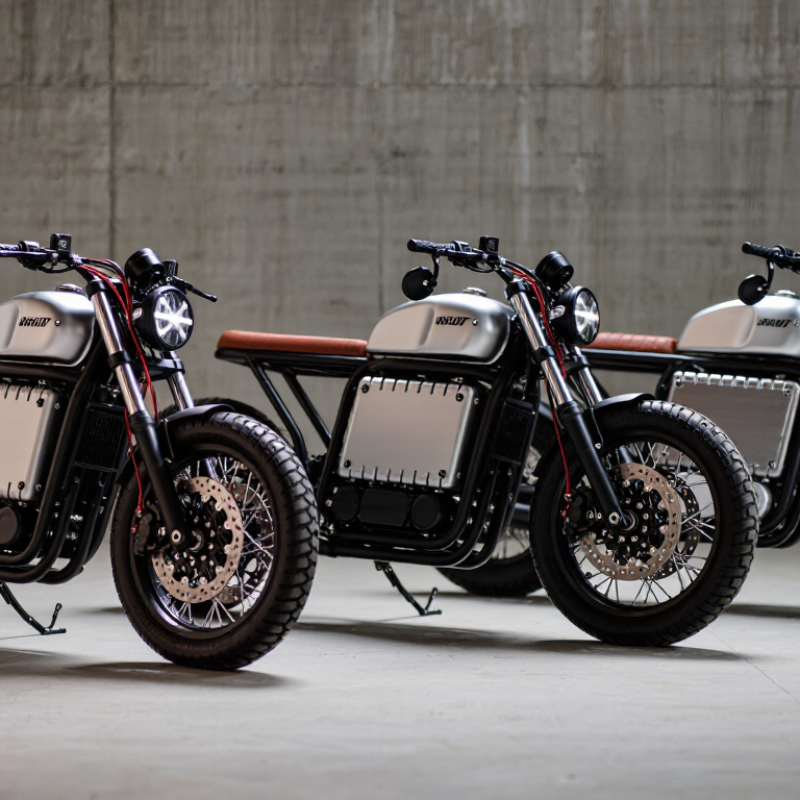
What Defines a Classic Cafe Racer Electric Bike?
A classic cafe racer electric bike is defined by more than a retro paint scheme. Its visual cues usually include a slim fuel-tank shape, a low seat with a short rear cowl, compact bodywork, and a forward-leaning riding position. On an electric model, the battery often replaces the engine’s visual center, so careful frame and panel design helps preserve the familiar silhouette. Small details matter.
The riding experience should match the look. Check handlebar reach, seat comfort, foot-peg position, curb weight, and brake feel; a low, stretched posture may look authentic but can tire riders on longer trips. Compare battery capacity and stated range, too, while noting the test conditions behind range claims. Honestly, styling can mislead. A cafe-racer profile does not prove the bike handles well or suits daily use.
The International Energy Agency’s Global EV Outlook 2024 estimates that electric two- and three-wheelers represented about one-fifth of global sales in 2023. That figure describes a broad vehicle category, not cafe racers specifically, but it shows how relevant electric two-wheelers have become. For a careful comparison, look for clearly stated motor output, battery capacity, charging time, braking equipment, and range-test method. If those details are missing, the classic appearance tells only part of the story.
China Top 10 Classic Cafe Racer Electric Bike Suppliers - What Defines a Classic Cafe Racer Electric Bike?
A practical comparison of ten design and specification features. The ranges below are representative examples, not a ranking or claims about specific suppliers; actual products and local regulations vary.
| No. | Feature to Evaluate | Typical Design or Specification | Why It Matters |
|---|---|---|---|
| 1 | Low, forward-leaning riding position | Clip-on or low-rise handlebars paired with a relatively long, forward-reaching cockpit. | Creates the compact, purposeful stance associated with classic cafe racers. Fit should still suit the intended rider. |
| 2 | Clean, streamlined silhouette | Simple frame lines, minimal external accessories, and carefully routed cables and wiring. | A restrained profile is more characteristic of the style than bulky panels or unnecessary add-ons. |
| 3 | Tank-inspired battery enclosure | A shaped enclosure can echo a traditional motorcycle tank while housing or concealing electrical components. | The visual treatment helps establish the retro look; the enclosure must not be mistaken for a fuel tank on an electric model. |
| 4 | Battery capacity and integration | Battery voltage and energy capacity depend on whether the vehicle is a pedal-assist e-bike, a moped, or an electric motorcycle. Compare watt-hours (Wh), not appearance alone. | Energy capacity, rider weight, terrain, speed, and temperature all affect usable range. Request the rated capacity and test conditions. |
| 5 | Motor type and rated output | Hub and mid-drive motors are both used in electric two-wheelers; rated output and peak output are different measures. | Confirm the continuous rated power, controller limits, and applicable vehicle classification for the destination market. |
| 6 | Solo seat and rear cowl | A narrow saddle with a short tail section or removable rear cowl is a common cafe-racer styling cue. | Check seat comfort, passenger provisions, and whether the cowl is purely cosmetic or affects practical use. |
| 7 | Round headlight and restrained lighting | A round headlamp and compact indicators can provide a retro appearance while using modern lighting components. | Verify road approval, beam pattern, visibility, and lighting requirements in the intended sales market. |
| 8 | Wheels, tires, and stance | Spoked or cast wheels may suit the design; tire size and tread should match the vehicle's intended use and approved specifications. | Wheel style is aesthetic, but tire compatibility, load rating, and handling are safety-critical. |
| 9 | Braking and suspension | Disc brakes and front suspension are common on many current electric two-wheelers; exact equipment varies by model and class. | Evaluate braking performance, component specifications, spare-part availability, and suitability for the vehicle's weight and speed. |
| 10 | Compliance and after-sales support | Documentation, product testing, warranty terms, battery service information, and replacement-part support should be checked for the target market. | Requirements differ by country and vehicle category. Request applicable certificates and verify them independently before ordering. |
FAQS
Compare frame material, motor rating, battery capacity, brakes, and warranty terms. Photos alone tell little.
No. China produced about 42.28 million electric bicycles in 2023, but individual factories can vary. Details matter.
Ask for a specification sheet, battery test documents, recent inspection records, and clear warranty terms. Check the details.
Keep an approved sample and signed parts list. Ask for close-up weld photos and compare components before production.
Define seat height, handlebar position, paint finish, display layout, and battery configuration. Changes may affect tooling, order quantities, or lead times.
A polished tank-shaped cover can look convincing, while braking feel or real-world range disappoints. Looks can mislead.
Request a packing list, commercial invoice, test documents, spare-parts schedule, and shipping terms. Confirm who handles paperwork and damage claims.
Not really. Catalog claims rarely show how a bike performs after months of daily riding. That gap deserves thought.
Ask how parts are supplied, whether they can ship separately, and how production changes are communicated. Small details matter.
Conclusion
This guide explores what makes a Classic café racer electric bike distinctive, from its retro-inspired silhouette and compact proportions to the practical features expected of a modern electric ride. It also explains how China’s supplier market is organized, including the different roles manufacturers and sourcing partners may play when developing or supplying these bikes.
Readers will find a framework for evaluating suppliers based on product quality, production capabilities, communication, customization options, and export support. The article introduces ten Chinese suppliers in a neutral, brand-free overview and outlines how to compare their offerings, clarify design and component requirements, assess sample and production arrangements, and coordinate shipping and after-sales support. The goal is to help buyers ask better questions and identify a supplier that fits their product plans, target market, and operational needs.