Award-winning British electric motorcycles — now in the USA
Flexible finance available — Learn more
New to riding? Explore the New Rider Program
0%

Choosing a Removable battery electric motorcycle requires more than comparing speed, styling, or advertised range. It means matching the machine to your daily roads, storage space, charging habits, and riding confidence. A short test ride can reveal much. You may notice the seat height, brake response, motor noise, and low-speed balance immediately. Yet a quiet motor can hide practical weaknesses. Measure twice.

Check the battery’s weight, carrying handle, locking system, and charging time. A 15-kilogram battery feels different on apartment stairs. Confirm whether it fits beneath your desk or beside a kitchen doorway. Review real-world range reports from riders using similar temperatures, hills, and loads. Manufacturer figures remain useful, but they are not promises. Independent testing adds valuable perspective, although test conditions may still differ.

Examine the frame, suspension, tires, lights, display, and braking equipment carefully. Ask the dealer about battery replacement costs, software support, service access, and warranty coverage. Reliable brands should provide clear specifications and documented maintenance guidance. Local service quality matters as much as showroom appearance. Do not assume the most expensive model is automatically the safest or most durable. I may miss details during one inspection, so a second opinion is sensible. Weather protection and battery storage also deserve attention, especially in cold or wet climates. The best choice balances performance, portability, repair support, and honest expectations. Small compromises are normal. A thoughtful buyer recognizes them before purchase.
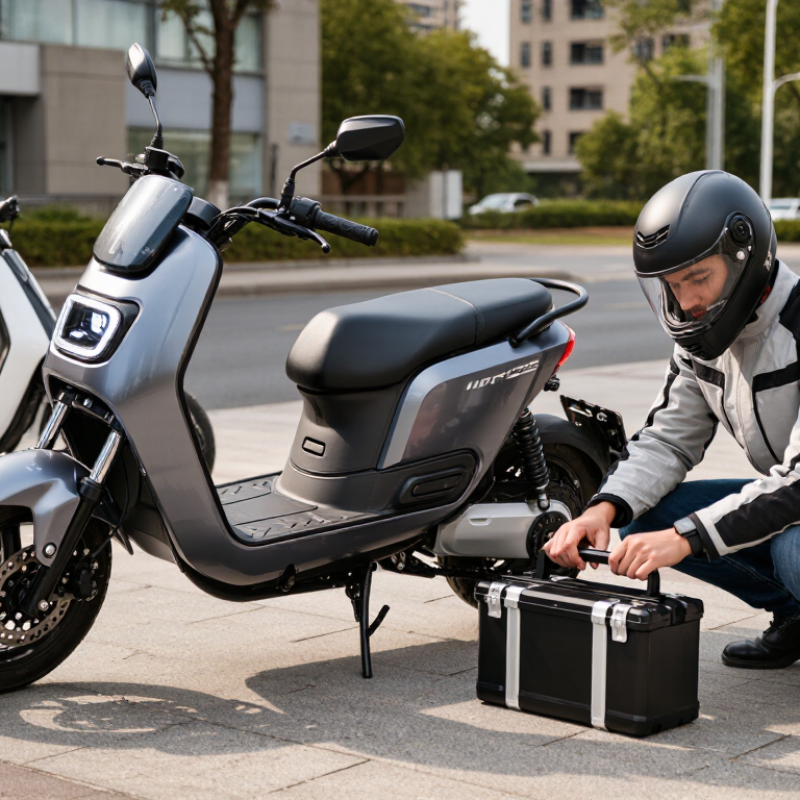
How to Choose a Removable Battery Electric Motorcycle

Electric Motorcycle Types and Removable Battery Systems

When choosing a removable battery electric motorcycle, begin with its riding purpose. Commuter scooters suit short urban trips and frequent parking. Standard electric motorcycles offer stronger acceleration and larger wheels. Utility models can carry groceries, tools, or a second battery. The best type depends on distance, road conditions, and storage space.

Battery design changes daily use. A single compact battery is easier to lift upstairs. Dual batteries can extend range, but they add weight and cost. Slide-out systems are convenient when the battery compartment is well balanced. Cassette-style systems may charge quickly outside the motorcycle.

Check the handle, locking mechanism, and charging connector carefully. Small details matter.

Measure the battery before buying. It should fit your elevator, shelf, or apartment doorway. A battery can feel manageable in a showroom, then awkward after a long day. Ask about certified charging equipment, weather protection, replacement availability, and local registration rules. Avoid relying only on the advertised range. Cold weather, hills, heavy loads, and fast riding reduce it. A test ride may expose vibration or awkward battery removal. I would also inspect the charger cable and hinge points. They often receive less attention than speed figures. Removable systems are practical, but carrying a heavy pack daily can become tiring. That weakness is easy to underestimate.

Assessing Battery Range, Charging, and Replacement Options

How to Choose a Removable Battery Electric Motorcycle

Battery range looks simple on a specification sheet. Real riding is less predictable. I assess range using speed, rider weight, hills, temperature, and cargo. A motorcycle rated for 100 kilometers may deliver closer to 70 in cold, windy conditions. My first estimate was too optimistic. That mistake taught me to keep a 20 percent reserve for unfamiliar routes. Short urban trips need less capacity, but frequent acceleration can still drain energy quickly.

Charging convenience matters as much as range. A removable battery should be light enough to carry safely, with a secure handle and clear charge indicators. Measure the distance between your parking space and a household outlet. A heavy battery becomes frustrating on stairs. Check the charger’s output, cable length, ventilation requirements, and full-charge time. Avoid leaving the battery in extreme heat or freezing conditions. Simple care helps preserve usable capacity.

Replacement planning deserves careful attention. Confirm the battery’s rated voltage, capacity, connector type, physical dimensions, and compatible control system. Do not assume every battery with the same shape will work. Ask about replacement availability, testing procedures, warranty length, and recycling support. A lower purchase price may hide expensive battery replacement later. Keep charging records and note any sudden range loss. That evidence helps technicians diagnose aging, charging faults, or connection problems. Research this before purchase, not after the first weak ride.

Comparing Motor Power, Performance, and Riding Requirements

Choosing a removable battery electric motorcycle starts with your daily route, not the largest motor figure. Motor power affects acceleration, hill climbing, and cruising stability. A lower-powered model may suit flat city streets and moderate traffic. However, it can feel strained on steep roads or with a passenger.

Rated power matters more than a brief peak number. Peak output helps during short acceleration bursts, while continuous power reflects sustained performance. During a test ride, check how quickly the motorcycle reaches normal traffic speed. Notice whether power fades on an incline. That small detail matters.

Battery weight also changes the riding experience. A removable pack may weigh 10 to 20 kilograms, depending on its capacity and design. Carrying it upstairs can become inconvenient. My first range estimate was too optimistic because I ignored cold weather, hills, and frequent acceleration. Real riding is less tidy. For commuting, compare usable range with your route length, then leave a practical reserve. A motorcycle rated for 100 kilometers may deliver much less under demanding conditions.

Riders who travel on faster roads should prioritize stable handling, stronger continuous output, and reliable braking. Short urban trips may benefit more from easy battery removal and simple charging. Check whether the pack has a secure locking system and clear charge indicators. Also inspect tire width, suspension travel, and load limits. Motor power alone cannot compensate for poor balance. Test it with your usual helmet, bag, and riding posture. A specification sheet cannot reveal every awkward moment.

Checking Safety Features, Practical Design, and Maintenance Needs

When choosing a removable battery electric motorcycle, inspect safety before appearance. The battery should lock firmly inside its compartment, with no rattling during a slow ride. Check for a certified charger, battery management system, overheat protection, and short-circuit safeguards. Ask whether the battery has water and dust resistance suitable for your local weather. A bright headlamp, effective brake lights, mirrors, reflectors, and reliable disc brakes matter in daily traffic. Small details save trouble.

Practical design becomes obvious after a few minutes of handling. Lift the battery as you would at home, not in a showroom. If it feels awkward, carrying it upstairs may become a weekly burden. Measure your storage space and check whether the motorcycle fits through doors, elevators, or narrow gates. A stable center stand, clear display, useful cargo space, and an accessible charging port improve routine use. Test the seat height and handlebar position. Comfort is not decoration.

Maintenance needs deserve equal attention. Confirm the expected battery lifespan, replacement cost, charging time, and inspection schedule. Look for accessible brake pads, standard tires, sealed electrical connectors, and clear service documentation. Keep charging away from heat, moisture, and blocked ventilation. Never ignore swelling, unusual odors, damaged cables, or sudden range loss. Those signs require professional inspection. A removable battery can simplify ownership, but it also adds handling risks. I still question any design that hides basic warning information behind a complicated display. A simple manual is often more useful.

How to Choose a Removable Battery Electric Motorcycle - Checking Safety Features, Practical Design, and Maintenance Needs

Evaluation Area What to Check Practical Benchmark or Data Point Why It Matters Maintenance or Ownership Need Decision Signal
Battery Removal Confirm that the battery can be removed without special tools and that the locking mechanism is secure. A typical removable battery may weigh approximately 10–25 kg, so a stable handle and manageable lifting height are important. A heavy or awkward battery can make daily charging difficult and increase the risk of dropping it. Keep the locking points clean and inspect the handle, latch, and housing for cracks or looseness. Choose a design that can be safely carried by the intended user.
Battery Safety Look for battery-management protection against overcharge, over-discharge, excessive current, overheating, and short circuits. The battery system should include temperature monitoring and automatic protection functions documented in the technical manual. Electronic protection helps reduce thermal, electrical, and cell-damage risks during operation and charging. Do not use a damaged, swollen, leaking, or unusually hot battery. Replace it through an approved service channel. Avoid any model with unclear battery protection information.
Charging System Check charger compatibility, cable condition, charging location, and whether charging can be performed indoors safely. Many commuter-sized battery packs require roughly 4–8 hours for a full charge, depending on capacity and charger output. Charging time affects whether the motorcycle can support daily commuting and overnight charging routines. Use the supplied or specified charger, keep vents unobstructed, and avoid charging near combustible materials. Select a charging routine that fits the user’s schedule and living space.
Water and Dust Protection Check the stated ingress-protection rating for the battery, connectors, controller, and motor. A higher IP rating generally provides better resistance to dust and water, but it does not make the motorcycle suitable for immersion. Weather exposure can affect electrical reliability, corrosion, and long-term battery safety. Dry the motorcycle after heavy rain and never pressure-wash electrical connectors or the battery compartment. Avoid products that provide no clear water-resistance information.
Braking System Inspect front and rear brakes, brake-light activation, lever feel, and the availability of anti-lock braking or combined braking where appropriate. Brake performance should remain stable during repeated stops, with no fluid leaks, grinding, or excessive lever travel. Reliable braking is essential because electric motorcycles can deliver immediate motor torque and may carry substantial battery weight. Check brake-pad wear, fluid condition, cable adjustment, and brake-light operation at regular service intervals. Prioritize predictable braking and easy access to replacement parts.
Tires and Suspension Check tire size availability, load rating, tread condition, suspension travel, and ground clearance. Tire pressure should be maintained according to the vehicle specification; under-inflation increases rolling resistance and handling risk. Correct tires and suspension improve grip, comfort, stability, and energy efficiency. Check pressure frequently, inspect for cuts or embedded objects, and replace tires before reaching the legal or manufacturer wear limit. Choose standard tire sizes that are readily available locally.
Real-World Range Compare expected daily distance with the usable battery capacity, rider weight, speed, temperature, hills, and cargo. A claimed range is not a guarantee; cold weather, high speed, hills, and frequent acceleration can reduce usable range. A practical reserve helps prevent unexpected roadside charging or deep battery discharge. Track energy consumption during the first weeks and plan charging before the battery reaches a very low state of charge. Select enough capacity for the daily route plus a sensible reserve.
Carrying and Storage Measure doorways, stairs, storage space, charging access, and the distance between the parking area and the charging point. The battery should be stored in a dry, ventilated area away from direct sunlight and extreme temperatures. A motorcycle that fits the user’s physical environment is more likely to be charged and maintained correctly. Follow the manual for storage charge level and temperature limits; never store a visibly damaged battery indoors. Reject a model that cannot be safely moved or stored at home.
Lighting and Visibility Check headlight coverage, rear light, brake light, turn indicators, reflectors, and horn operation. All lighting and signaling equipment should work reliably before every ride, especially in low-light or wet conditions. Good visibility helps other road users detect the motorcycle and judge its movement. Clean lenses, repair damaged wiring, and replace failed bulbs or LED modules according to the service instructions. All required road equipment should be easy to inspect and replace.
Frame, Stand, and Load Capacity Inspect frame welds, steering movement, side stand, center stand, passenger provisions, and rated payload. The combined weight of rider, passenger, luggage, and accessories must remain within the manufacturer’s stated limit. Overloading can reduce braking, handling, tire life, and structural durability. Check fasteners and stands periodically, particularly after carrying heavy loads or riding on rough roads. Do not exceed the stated payload or passenger limit.
Serviceability Confirm access to replacement tires, brake components, charger, fuses, connectors, and qualified technicians. A clear service schedule and documented battery warranty are important indicators of long-term support. Electric drivetrains often need less routine mechanical service, but electrical repairs can require specialized skills. Maintain brakes, tires, bearings, fasteners, connectors, and software or diagnostic systems as specified. Prefer transparent service procedures and accessible spare parts.
Battery Replacement and End of Life Ask whether replacement batteries will remain available and how the battery should be recycled or returned. Lithium-ion batteries gradually lose capacity with age, use, temperature exposure, and charging conditions. A replacement plan protects the motorcycle’s usable life and reduces disposal risks. Keep battery contacts clean and follow local rules for transporting and recycling lithium batteries. Choose a model with a documented replacement and recycling pathway.
Legal and Compliance Checks Verify registration category, required license, insurance, helmet rules, lighting requirements, and road-use approval in the intended location. Legal requirements differ by country, state, or city and may depend on speed, power, seating, and vehicle weight. A technically suitable motorcycle may still be illegal or impractical for public-road use. Keep registration, inspection, insurance, and required safety equipment up to date. Confirm local compliance before purchase.
Practical rule: Choose the motorcycle that combines safe battery handling, dependable braking, sufficient real-world range, convenient charging, and clearly documented maintenance support—not simply the highest advertised power or range.

Evaluating Cost, Warranty Coverage, and Long-Term Value

How to Choose a Removable Battery Electric Motorcycle

Evaluating Cost, Warranty Coverage, and Long-Term Value

Purchase price is only the opening figure. Compare the motorcycle, charger, removable battery, and a second battery separately. BloombergNEF’s 2024 Battery Price Survey reported an average battery-pack price of 115 US dollars per kilowatt-hour, down 20% from 2023. This decline is encouraging, but replacement costs for small-volume vehicles may remain higher.

Check the warranty in practical detail. Does it cover battery capacity loss, water damage, charging faults, and labor? A battery warranty that excludes normal degradation may offer less protection than expected. Ask for the minimum guaranteed capacity and the test method. Also confirm whether removing the battery affects coverage. Get the answer in writing.

Think beyond monthly payments. The International Energy Agency’s Global EV Outlook 2024 identifies electric two- and three-wheelers as a major part of global electric mobility. That growth may improve parts availability, but it does not guarantee long-term support for every model. Calculate electricity, insurance, tire replacement, and battery storage costs over five years. A removable battery can reduce charging inconvenience. It can also add weight, connectors, and failure points. I once underestimated the value of a nearby service center. That mistake was expensive. Choose documented support over attractive specifications.

How to Choose a Removable Battery Electric Motorcycle

Evaluating purchase cost, warranty coverage, and estimated five-year ownership value

Representative estimates in USD for three common removable-battery motorcycle classes. Five-year ownership cost includes the purchase price, electricity, routine maintenance, and a battery replacement reserve. Warranty figures reflect typical battery coverage periods offered in the market; actual terms vary by seller and usage conditions.

Urban Commuter
Best for short daily trips and lower upfront cost.
Extended-Range Commuter
Higher capacity improves range but increases replacement exposure.
Performance Touring
Higher purchase price can be justified by range, power, and equipment.

FAQS

How should I choose the right type of removable battery electric motorcycle?

Match the motorcycle to your daily purpose, distance, roads, and storage space. Commuter scooters suit short city trips and frequent parking. Standard models offer stronger acceleration and larger wheels. Utility models carry groceries, tools, or an extra battery.

Is one battery better than two batteries?

One compact battery is easier to lift upstairs and store indoors. Two batteries can extend range, but they add weight and cost. The extra capacity may become tiring during daily carrying.

What should I inspect on a removable battery?

Check the handle, locking mechanism, connector, and battery dimensions. Test whether the battery fits through your doorway and into your elevator. A showroom lift can feel easy. Real stairs may disagree.

How much riding range should I expect?

Do not rely only on the advertised range. Cold weather, hills, wind, cargo, and fast riding reduce usable distance. A model rated for 100 kilometers may deliver about 70 kilometers in difficult conditions. Keep roughly 20 percent reserve on unfamiliar routes.

What makes battery charging convenient?

Measure the distance from your parking space to a household outlet. Check charger output, cable length, ventilation needs, and full-charge time. The battery should have a secure handle and clear charge indicators. Keep it away from extreme heat and freezing conditions.

What should I ask about replacement batteries?

Confirm voltage, capacity, connector type, dimensions, and control-system compatibility. Batteries with similar shapes may still be incompatible. Ask about availability, testing, warranty length, and recycling support. Plan before the first weak ride.

What warranty details deserve special attention?

Ask whether coverage includes capacity loss, water damage, charging faults, and labor. Confirm the minimum guaranteed capacity and testing method. Check whether removing the battery affects warranty coverage. Get important answers in writing.

How can I compare long-term ownership costs?

Include the motorcycle, charger, battery, possible second battery, electricity, insurance, tires, and storage. Calculate costs over five years, not only monthly payments. A low purchase price may hide expensive battery replacement. Nearby service support matters.

What can a test ride reveal?

A test ride can expose vibration, awkward battery removal, poor balance, or uncomfortable acceleration. Inspect charger cables and hinge points carefully. I once focused too much on speed figures. That was a costly oversight.

Conclusion

Choosing a Removable battery electric motorcycle requires more than comparing appearance or price. First, consider the motorcycle’s design, intended use, and battery system, including how easily the battery can be removed, carried, and charged. Evaluate the expected riding range under real conditions, charging time, battery replacement availability, and the long-term cost of ownership. Motor power, acceleration, hill-climbing ability, and riding comfort should match your daily routes, traffic conditions, and experience level.

Safety and practicality are equally important. Look for dependable braking, stable handling, effective lighting, secure battery installation, and useful features such as storage or weather protection. Also consider maintenance requirements, access to qualified service, warranty coverage, and the expected durability of key components. A well-chosen electric motorcycle should balance performance, convenience, reliability, and total cost rather than focusing on one specification alone. By comparing these factors carefully, riders can select a model that fits their transportation needs and delivers lasting value.

Charlotte

Charlotte

Charlotte is a professional marketing specialist who helps customers better understand the company’s products and the ways they can support practical needs. With strong product knowledge and a careful, research-driven approach, she regularly contributes expert articles to the company website. Her......