Award-winning British electric motorcycles — now in the USA
Flexible finance available — Learn more
New to riding? Explore the New Rider Program
0%

A Learner friendly electric motorcycle can make early rides feel more manageable. Smooth electric power often reduces clutch work and gear changes, leaving new riders more attention for steering, braking, and traffic. The quiet motor also makes small sounds stand out: tires crossing a painted line, or a brake lever clicking into place. Small details matter. A manageable seat height and a predictable throttle can help a learner feel settled at a stoplight. Still, electric motorcycles vary widely in weight, range, and controls. “Learner friendly” should describe a good match, not a promise that every model will suit every rider.

Horace Luke, Gogoro’s co-founder and an electric-mobility executive, has emphasized making electric mobility practical for everyday use. A fair paraphrase of that idea is: “Electric mobility works best when it fits everyday life.” For a learner, that means looking beyond sleek bodywork and headline range. Check whether the bike feels balanced at walking speed, whether the display is easy to read in bright sunlight, and whether charging fits your routine. An easy-to-use machine can reduce distractions, but it cannot replace practice or sound judgment. That may be the less exciting truth. A first ride can still feel awkward, and a lighter control does not automatically mean better control. The right Learner friendly electric motorcycle is one whose limits you understand and whose basics you can operate calmly.
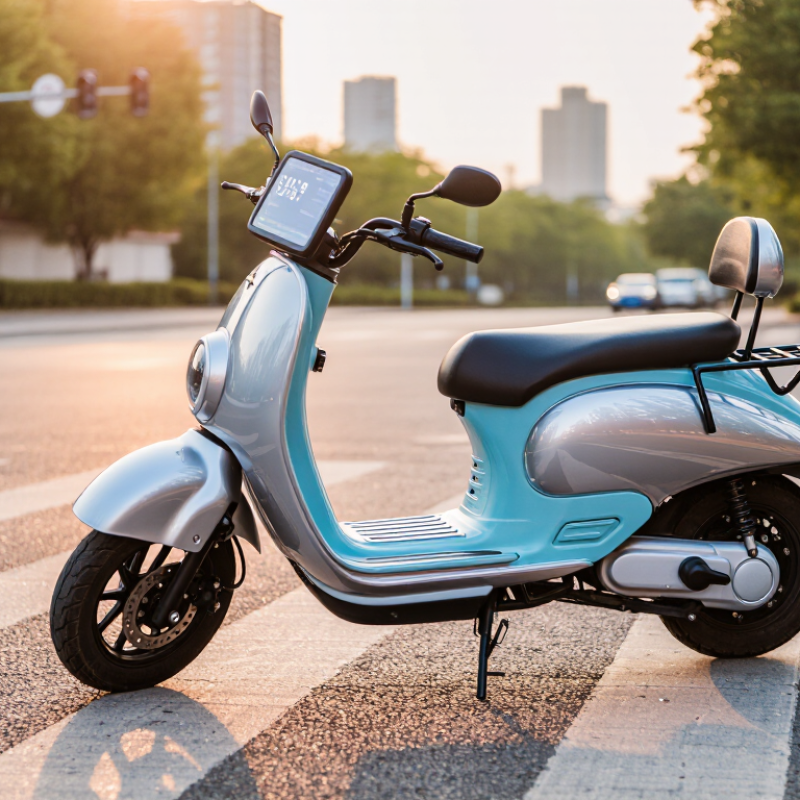
Why Choose a Learner Friendly Electric Motorcycle?

What Defines a Learner-Friendly Electric Motorcycle?

Why Choose a Learner Friendly Electric Motorcycle?

What Defines a Learner-Friendly Electric Motorcycle?

A learner-friendly electric motorcycle makes basic control feel predictable, not effortless. Its throttle should respond smoothly when you ease away from a stop, rather than delivering a sudden burst of power. That matters in a crowded parking area or on a sloped driveway. A clear display helps riders check speed and battery level without searching through complicated menus.

Fit is just as important. When seated, a rider should be able to reach the handlebars comfortably and place at least one foot firmly on the ground. A manageable overall weight can make slow turns and parking less intimidating. Look closely at the brake feel, too. Firm, progressive braking is easier to judge than a lever that grabs sharply. Small details count.

Quiet operation can make speed harder to judge by sound. New riders may need time to adjust. Practice in a controlled, low-traffic area, and follow the motorcycle’s manual and guidance from a qualified instructor. Check how the bike feels during a slow turn, a full stop, and a gentle hill start.

A short test ride may not reveal everything; seat comfort can change after twenty minutes, and a heavy battery can affect handling. I would pay attention to those details, even if the first ride feels exciting.

How Electric Power and Controls Support New Riders

For a new rider, controls matter as much as power. An electric motorcycle removes clutch work and gear changes, leaving more attention for balance, steering, and traffic. Its motor responds quietly, with useful pull from a stop. That can make a careful launch feel less complicated. Quiet is not the same as harmless, though; pedestrians may notice it later.

Beginner-friendly models pair smooth power with a manageable throttle and selectable riding modes. A softer mode can help reduce abrupt acceleration while a rider learns to move steadily. Regenerative braking may slow the bike when the rider eases off, but its strength varies. Test it in a clear, low-speed area. Controls should feel intuitive, not mysterious.

Weight and range still deserve attention. Batteries can make a motorcycle feel heavy when pushed backward or turned tightly in a driveway. Sit on the bike, reach both controls, and practice slow turns before riding in traffic. I would expect a few awkward starts at first. That is normal. Clear displays and consistent brakes leave room to build skill, but training and protective gear still matter.

Which Design Features Make Riding Easier to Learn?

A learner-friendly electric motorcycle should make slow-speed control feel calm, not merely look approachable. A low seat helps riders place both feet near the ground at a stop, while a narrow waist makes that reach easier. Wide handlebars and a relaxed riding position can reduce strain during tight turns. Small details matter. A mild power mode can soften acceleration, and adjustable regenerative braking can prevent deceleration from feeling abrupt. Controls should be easy to identify at a glance; a cluttered display is distracting when a learner is watching traffic.

Braking support matters as much as reach. An IIHS analysis reported a 31% lower fatal-crash rate for motorcycles equipped with antilock brakes than for comparable models without ABS. NHTSA’s 2022 Traffic Safety Facts also reported that motorcyclists were about 22 times more likely to die per mile traveled than passenger-car occupants. Those figures do not prove one feature can prevent every crash, but they support choosing predictable, forgiving controls. A low seat is not a complete fit test: riders should check handlebar reach, balance the motorcycle while stationary, and try gentle starts and stops. Some learners may still find strong regenerative braking awkward at first.

How Safety and Comfort Shape the Learning Experience

A learner-friendly electric motorcycle can make early practice feel less overwhelming, but safety and comfort matter more than a long feature list. A low seat helps riders place both feet firmly on the ground at stops. Predictable throttle response also makes gentle starts easier to manage. Quiet operation can help learners notice traffic around them, though it may make approaching riders less noticeable to others. That takes awareness.

Comfort supports safer decisions. Upright handlebars reduce strain on the wrists, while a manageable bike weight makes slow turns and parking less intimidating. A clear display should show speed and battery level at a glance, without distracting the rider. Controls should feel reachable with gloved hands. Small details count. Still, a comfortable fit is personal; a seat that suits one rider may cause pressure for another. A short, supervised test ride can reveal issues that specifications cannot.

Tips: Adjust the mirrors before moving, wear protective gear, and practice braking in a quiet, open area. Begin with smooth starts and stops. Take breaks if your hands or shoulders tense up. Comfort helps, but it does not replace attention, gradual practice, or instruction.

How to Choose an Electric Motorcycle for a Beginner

How to Choose an Electric Motorcycle for a Beginner

Start with fit, not top speed. Sit on the motorcycle with both hands on the bars and feet near the ground. Can you move it off its stand without straining? A manageable seat height and weight make slow turns, parking, and stops less intimidating. Check that the throttle responds smoothly and the brake levers are easy to reach. These details matter more than a dramatic performance figure. A test ride on a quiet route can reveal awkward controls you might miss in a showroom.

Be realistic about range. The U.S. Department of Energy’s Alternative Fuels Data Center notes that speed, temperature, and driving conditions affect electric-vehicle range. Short city trips may suit a smaller battery; regular longer rides call for a comfortable reserve. Check charging time and whether your home outlet is practical. No guesswork. Leave margin for cold days and detours. I would not choose based on the advertised maximum alone; real routes are rarely perfect.

Safety deserves equal weight. NHTSA’s 2022 Traffic Safety Facts: Motorcycles reports that motorcyclists were about 22 times more likely to die in a crash per vehicle mile traveled than passenger-car occupants. That figure does not predict an individual ride, but it argues for careful preparation. Consider a recognized beginner rider course, protective gear, and a motorcycle with predictable handling and effective brakes. A little less power can feel limiting at first. It may also leave more attention for traffic and balance.

Why Choose a Learner Friendly Electric Motorcycle? - How to Choose an Electric Motorcycle for a Beginner

Selection Factor Beginner-Friendly Target Why It Matters What to Check
Weight and balance Choose the lightest model that meets your needs; compare ready-to-ride weight and how the bike feels at walking pace. A manageable motorcycle is easier to steer slowly, park, and recover from a slight lean. With the motorcycle upright, try moving it forward and backward and making a slow, tight turn. Check the published weight, including the battery.
Seat height and fit A seat height around 760–800 mm may be a useful starting point, but the right fit depends on rider height, inseam, and seat shape. Comfortable footing can make stops and low-speed practice feel less intimidating. Sit on the motorcycle in riding boots. Check whether you can support it securely and reach the handlebars without stretching.
Power and top speed Choose a power and speed class that matches your experience, intended roads, and local licence requirements. More power and speed are not automatically helpful for learning; legal categories and restrictions vary by location. Review the certified continuous power, maximum speed, and licence rules. Do not rely on peak-power figures alone.
Throttle response and ride modes Look for predictable throttle response and, if available, a lower-power or beginner mode. Smooth acceleration can make starts, turns, and stop-and-go traffic easier to manage. Test acceleration gently in a safe area. Confirm how ride modes work and whether the selected mode remains active after restarting.
Braking and safety equipment Prefer well-controlled brakes and, where available, ABS appropriate to the motorcycle and local regulations. Consistent braking supports safer practice and helps build confidence in varied conditions. Check the owner's manual and equipment list for ABS, and test brake feel gradually in a safe, low-traffic area.
Real-world range Choose a model that covers your usual round trip with a practical reserve, rather than relying on the advertised maximum range. Speed, temperature, hills, rider weight, and riding style can all affect electric range. Ask for independent or owner-reported range under conditions similar to your commute, and plan for charging access at both ends where possible.
Charging and battery access Make sure the charging method, connector, and charging location suit your home or routine. A convenient charging setup makes daily use more practical and reduces the chance of running short on charge. Confirm the compatible power supply, charging time, battery removability, and any installation requirements before purchase.
Controls and visibility Choose clear instruments, easy-to-reach controls, bright lighting, and mirrors that provide a useful rear view. Simple, legible controls help a new rider focus on traffic and handling. Check the dashboard in daylight, operate the switches while wearing gloves, and adjust the mirrors from your normal riding position.
Support and ownership costs Compare warranty coverage, service availability, replacement-part access, and charging costs. Reliable support and predictable upkeep matter throughout the motorcycle's usable life. Read the warranty terms, ask who can service the battery and motor, and check local parts and repair availability.

Note: Licensing, safety-equipment rules, and vehicle classifications differ by jurisdiction. Verify local requirements and complete appropriate rider training before riding on public roads.

FAQS

What makes an electric motorcycle beginner-friendly?

Predictable controls help. Look for smooth throttle response, reachable brake levers, and steady handling at low speeds.

How can I check whether the motorcycle fits me?

Sit on it with both hands on the handlebars. Try placing one foot firmly on the ground and moving it off its stand.

Why does motorcycle weight matter for a new rider?

A manageable weight can make parking and slow turns less stressful. A heavy battery may still affect balance, so pay attention.

What should I look for in the brakes?

Choose brakes that feel firm and progressive. A lever that grabs sharply can be harder to judge.

Is a quiet electric motorcycle easier to ride?

Quiet operation can make speed harder to judge by sound. Practice in a low-traffic area and check your speed often.

How useful is a short test ride?

It can reveal awkward controls or uncomfortable seating. But twenty minutes may feel different from five. A brief ride misses things.

How should I estimate the range I need?

Consider your usual route, weather, speed, and detours. Leave a reserve rather than relying only on the advertised maximum.

What safety steps should a beginner consider?

Take a beginner riding course, wear protective gear, and practice gentle stops and hill starts. Less power may help you focus, though it can feel limiting.

Conclusion

A Learner friendly electric motorcycle is designed to help new riders build confidence through predictable performance, simple controls, and an approachable riding position. Smooth electric power delivery can make starting, accelerating, and managing speed easier to understand, while clear displays and straightforward controls reduce distractions as beginners learn essential riding skills.

Practical design choices also shape the learning experience. A manageable seat height, balanced handling, accessible weight, and responsive braking can make slow-speed practice and everyday rides feel less intimidating. Comfort and useful safety features help riders stay focused and feel more secure as their experience grows. When choosing an electric motorcycle for a beginner, consider fit, power, range, ease of operation, and the kind of riding you plan to do. The best choice is one that feels comfortable to control and supports steady, responsible progress.

Ethan Brooks

Ethan Brooks

Ethan Brooks is a professional marketing specialist with a deep understanding of the company’s products, services, and the needs they are designed to address. He regularly contributes expert articles to the company website, sharing clear, practical insights that help readers understand product......