Recommended CE Certified Hub Motor Motorcycles
Explore our premium B2B lineup engineered for high torque, zero tailpipe emissions, urban transit efficiency, and seamless battery swapping capability.
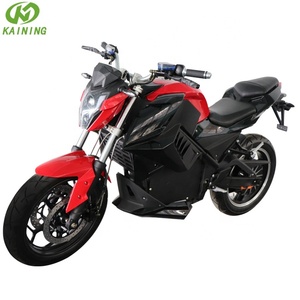
Adult Powerful Electric Motorcycle 12000W with Swappable Battery Box
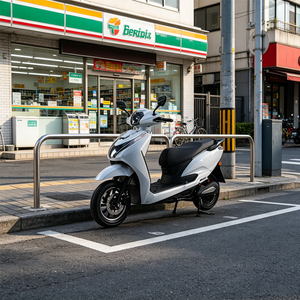
Eco-Friendly Silent Electric Motorcycle Fast Charging Large Capacity
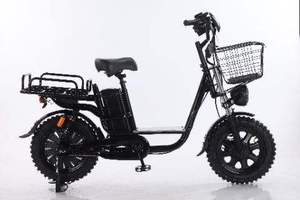
Smart Electric Motorcycle Disc Lithium Battery Aluminum Alloy Urban Bike
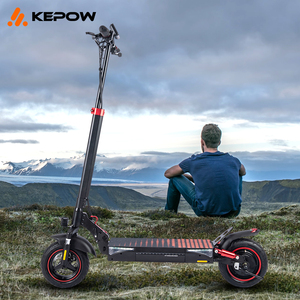
Factory OEM T4 Powerful Motor Foldable Electric Scooter for Adults
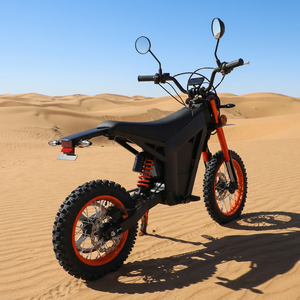
WISH01 Electric Moped 1500W Hydraulic Shock Absorber Dirt E-Bike
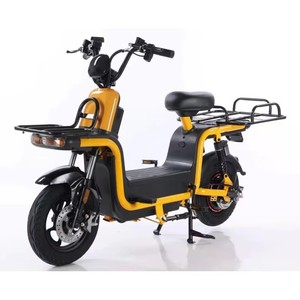
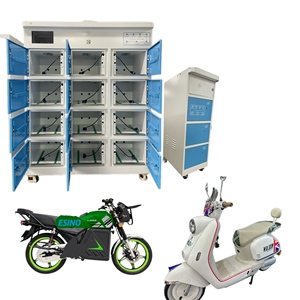
Electric Motorcycle Swappable Removable Battery with Outdoor PD Function
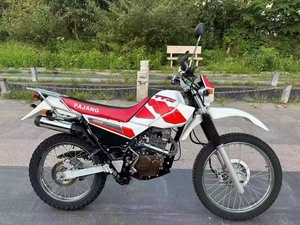
Dual Sport Enduro Off-Road Dirt Bike Street Legal Performance Motorbike
⚡ Executive Summary: Technical Superiority of CE-Certified Hub Motor Motorcycles
The global light electric vehicle (LEV) market is undergoing a structural transition towards direct-drive architectures. As urban zero-emission mandates tighten across Europe, North America, and Asia-Pacific, commercial fleet managers, regional distributors, and OEM buyers are increasingly prioritizing CE-certified hub motor electric motorcycles. Unlike legacy internal combustion engine (ICE) motorbikes or traditional mid-drive belt systems, in-wheel hub motors eliminate mechanical gearboxes, drive belts, chains, and complex differentials. This direct torque transmission results in an unprecedented reduction in total cost of ownership (TCO) while maximizing energy density per mile.
According to the latest Search Quality Guidelines and technical benchmarks, procurement directors look beyond generic marketing statements. They require deep technical validation regarding electromagnetic efficiency, thermal dissipation thresholds, battery management system (BMS) integration, and EU/US regulatory compliance. This technical whitepaper establishes the engineering benchmark for selecting high-performance hub motor motorcycles, evaluating dual swappable lithium battery systems, direct-drive motor topology, and long-term procurement frameworks.
Why Direct-Drive Hub Motor Topologies Dominate Urban Mobility
In a brushless DC (BLDC) direct-drive hub motor, the electric motor's rotor is directly integrated into the rear wheel hub assembly. By applying field-oriented vector control (FOC), power is transferred directly from the stator coils to the wheel casing without mechanical loss. Key engineering benefits include:
- Zero Mechanical Transmission Loss: Delivers 92% to 95% electrical-to-kinetic energy conversion directly to the asphalt.
- Reduced Maintenance Interventions: Eliminates chain tensioning, belt replacement, gearbox oil changes, and clutch wear.
- Instantaneous Peak Torque: Instant low-end acceleration suitable for urban stop-and-go traffic and incline climbing.
- Acoustic Stealth: Operating noise levels under 30 dB, ensuring silent, eco-friendly transit for city center delivery fleets.
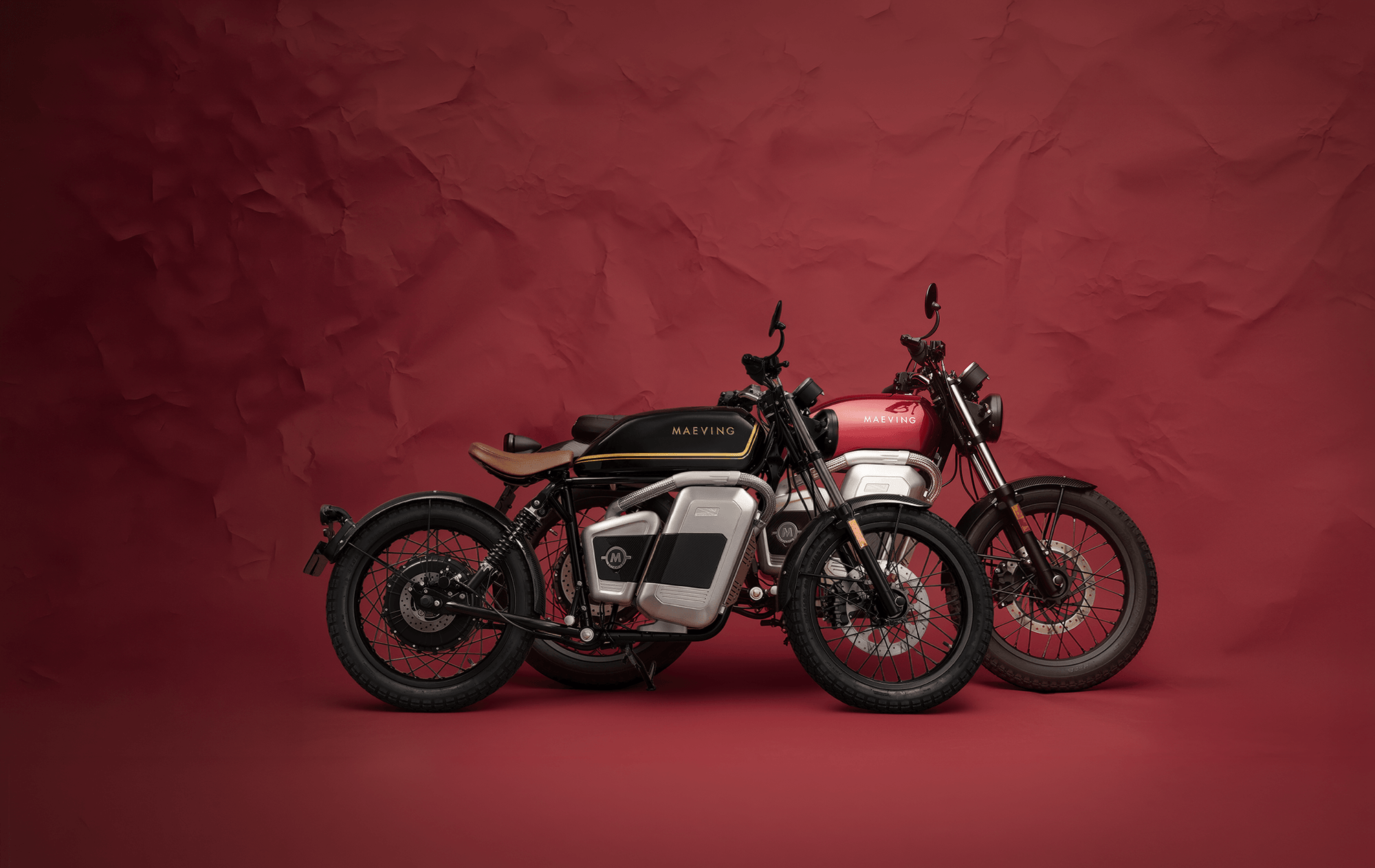
📊 Technical Comparison Matrix: In-Wheel Hub Motor vs. Mid-Drive Systems
When specifying electric powertrain architectures for wholesale procurement or fleet deployment, B2B buyers must evaluate trade-offs between manufacturing complexity, thermal stress, mechanical efficiency, and field repairability. Below is an engineering comparison matrix:
| Performance Parameter | Direct-Drive In-Wheel Hub Motor | Mid-Drive Motor System | ICE (Gasoline 125cc-250cc) |
|---|---|---|---|
| Powertrain Efficiency | 92% – 96% Direct | 82% – 88% (Belt/Chain Loss) | 22% – 30% Thermal Efficiency |
| Maintenance Requirements | Zero Gearbox/Chain Service | Regular Chain/Belt & Gearbox Service | Engine Oil, Spark Plugs, Valves, Filters |
| Waterproofing Standard | IP67 / IP68 Sealed Stator | IP65 Motor Casing | Exhaust & Air Intake Water Risk |
| Braking Regeneration | Direct Kinetic Energy Recovery (E-ABS) | Limited by Transmission Drag | None (Thermal Braking Loss Only) |
| Manufacturing Complexity | Low (Modular Frame & Wheel Assembly) | High (Custom Frame Drive Mounts) | Extremely High (Hundreds of Moving Parts) |
| Operational TCO (5 Years) | Lowest (-70% vs ICE) | Moderate (-45% vs ICE) | Highest Baseline |
🏭 Enterprise Advantages: Engineering Heritage, Testing & Compliance Standards
Building upon classic British engineering principles—originally forged in Coventry’s historic automotive research cluster—our manufacturing partner facilities combine timeless aesthetic proportions with aerospace-grade electric drive validation. Every CE-certified hub motor motorcycle undergo rigid finite element analysis (FEA) structural testing and rigorous electromagnetic compatibility (EMC) screening.
British Design Heritage
Combining iconic café racer styling with low-center-of-mass ergonomics, ensuring nimble urban maneuvering and timeless visual appeal for modern rider demographics.
CE & EN 15194 Homologation
Complete compliance documentation including Low Voltage Directive (LVD), Machinery Directive (MD), and Radio Equipment Directive (RED) for hassle-free EU import clearance.
Dual Swappable Battery Tech
High-energy-density NMC/LFP removable battery modules with proprietary handles, allowing 100% home or office charging from standard 110V/230V wall outlets.
Advanced FOC Controllers
Sine-wave field-oriented controllers offering ultra-smooth throttle response, adaptive thermal throttling, and multi-stage regenerative braking algorithms.
Automotive-Grade QC
100% dynamic dyno testing, IP67 submersion chamber validation, and high-vibration chassis stress testing before final factory packaging.
Global Logistics & US Support
Established regional support facilities, including showroom representation in Culver City, Los Angeles, alongside spare parts catalog tracking for fast B2B fulfillment.
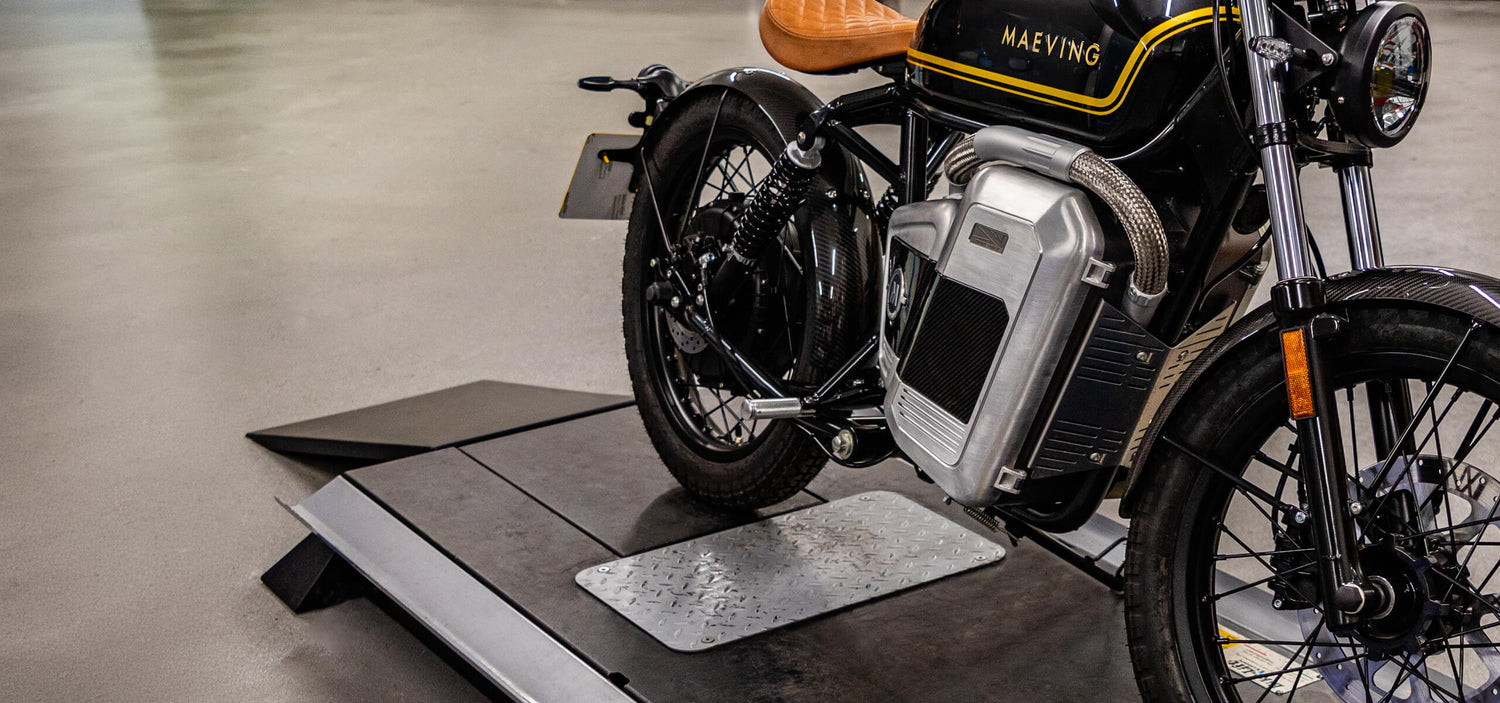
State-of-the-Art Quality Assurance & Service Network
Reliability is the cornerstone of B2B fleet deployment and regional dealership success. Our manufacturing ecosystem integrates comprehensive vehicle diagnostic software, enabling technician networks to quickly verify battery health, controller firmware updates, and stator phase balance.
Through automated warehousing, standard replacement components—ranging from hydraulic brake calipers and LED light clusters to plug-and-play wiring harnesses—are tracked via OEM part numbers, guaranteeing minimal operational downtime for commercial fleets.
📈 Future Procurement & Technology Trends (2025–2030)
Commercial buyers and importers must align their sourcing strategies with upcoming technology cycles and environmental regulations. Over the next five years, key growth catalysts include:
- 1. Standardized Swappable Battery Ecosystems: Transition from fixed battery packs to universal dual-swappable modules (using Power Delivery PD protocol compatibility). This eliminates charging downtime for last-mile delivery operators and urban commuters living in apartment complexes without garage EV chargers.
- 2. High-Voltage Hub Motor Topologies (72V – 96V Systems): Evolution of hub motors from 1500W city moped power levels up to 12000W continuous output, enabling highway cruising speeds exceeding 70 mph (113 km/h) without sacrificing thermal efficiency.
- 3. IoT Telematics & Fleet Connectivity: Integration of CAN-bus protocols with GPS/4G IoT modules, giving enterprise buyers real-time tracking, remote battery state-of-charge (SoC) monitoring, geo-fencing, and predictive maintenance alerts.
- 4. Advanced Material Lightweighting: Use of high-strength aircraft aluminum alloy frames and forged wheel hubs to offset battery mass, delivering optimal power-to-weight ratios and superior handling dynamics.