Featured Commuter & High-Torque E-Motorbikes
Precision-engineered for global export, meeting EEC, DOT, CE, and UN38.3 standards for B2B fleet buyers, distributors, and custom brand owners.
State of China's Urban Commuter Electric Motorbike Manufacturing
Analyzing technological shifts, supply chain consolidation, modular battery architectures, and regulatory compliance for international B2B procurement partners.
The global urban mobility ecosystem is experiencing an unprecedented structural transition toward lightweight, zero-emission personal and commercial transport solutions. As municipalities worldwide enact stricter low-emission zones (LEZs) and urban commuters seek cost-effective alternatives to fossil-fuel vehicles, China’s electric motorbike manufacturing sector has emerged as the global epicenter of innovation, production scale, and supply chain maturity. China accounts for over 80% of global light electric vehicle (LEV) production, backed by vertical integration spanning raw lithium processing, battery management system (BMS) software development, high-efficiency FOC (Field-Oriented Control) vector controllers, and robotic chassis fabrication.
For global importers, OEM brand owners, and fleet operators, sourcing from premier Chinese manufacturers is no longer merely a low-cost arbitrage strategy. It represents a strategic imperative to leverage cutting-edge automotive-grade technologies—such as dual removable lithium-ion battery architectures, integrated IoT telematics, and automated battery swapping infrastructure—that significantly reduce Total Cost of Ownership (TCO) while meeting stringent international homologation guidelines including EEC (Europe), DOT (USA), and ADR (Australia).
Vertical Supply Integration
Direct sourcing of Grade-A NMC and LFP battery cells (CATL, EVE, BYD) combined with proprietary in-house motor stator winding yields superior torque-to-weight ratios and component longevity.
High-Torque Powertrains
Advanced mid-drive and brushless DC (BLDC) hub motors ranging from 800W city transit units to 24kW dual-sport peak performance systems delivering up to 70 mph (113 km/h) top speeds.
Homologation Readiness
Full compliance engineering supporting EEC L1e/L3e certifications, DOT lighting and brake systems (CBS/ABS), UN38.3 battery transport standards, and CE safety protocols.
Product Development & Technological Trends (2026–2030)
Understanding upcoming technological shifts is essential for B2B buyers seeking to future-proof their product portfolios. OEM manufacturers in China are pioneering critical innovations across energy density, vehicle intelligence, and structural ergonomics:
| Technology Vector | Legacy E-Motorbike Standard | 2026+ Next-Gen Chinese OEM Benchmark | Impact on Business & Fleet Operations |
|---|---|---|---|
| Battery Architecture | Fixed Lead-Acid or Basic Single Lithium Pack | Dual Removable Lithium (NMC/LFP) + Swap Station Integration | Zero indoor charging barriers; 24/7 uptime for last-mile delivery fleets via HelloSwap systems. |
| Motor & Controller | Square-wave controllers with basic hub motors | Sine-wave FOC Vector Controllers + Permanent Magnet Mid-Motors | 15-20% higher energy efficiency, reduced thermal degradation, ultra-quiet torque delivery. |
| Vehicle Connectivity | Analogue instrumentation without connectivity | CAN-Bus 4G IoT Telematics, GPS tracking, Remote Diagnostics & OTA | Real-time fleet tracking, anti-theft geofencing, remote maintenance alert monitoring. |
| Frame & Materials | Heavy tubular carbon steel | Hydroformed Aluminum Alloy & Lightweight High-Tensile Steel | Significant vehicle weight reduction (up to 30%), enhanced payload capacity, corrosion resistance. |
| Brake & Safety Systems | Mechanical drum brakes or single disc | Dual Hydraulic Disc with Combined Braking System (CBS) / ABS | Meets strict European Union Euro-5 / EEC safety homologation mandates for urban road use. |
The Shift Toward Swappable Battery Ecosystems
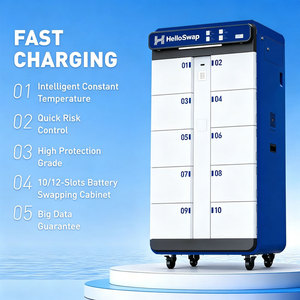
One of the most transformative commercial procurement trends is the adoption of standardized Battery Swapping Infrastructure (BSS). Designed specifically for high-frequency urban commuters and last-mile delivery services, systems such as the HelloSwap Station Architecture replace traditional 4 to 6-hour plug-in charging with a 30-second automated battery swap. Importers sourcing battery-swappable e-motorcycles can offer subscription-based Energy-as-a-Service (EaaS) business models, unlocking recurring revenue streams while eliminating battery degradation concerns for end customers.
Dual-Sport Versatility: On-Road Commuting Meets Off-Road Agility
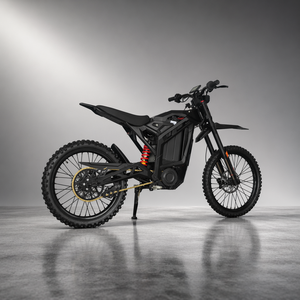
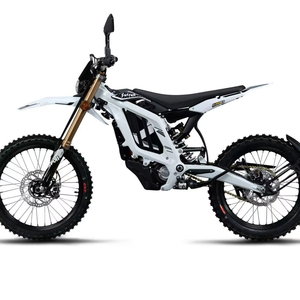
As seen in next-generation platforms like the 2026 Surron Light Bee 2nd Gen Street-Legal Series and 8000W Heavy-Duty Dirt Bikes, urban commuters increasingly demand dual-use capabilities. Modern commuters prefer lightweight chassis (55kg–65kg) capable of navigating congested city streets during weekdays while delivering high-torque (up to 24kW peak power) off-road performance during weekends. Tier-1 Chinese factories now engineer multi-mode power profiles (Eco, Urban, Sport) controlled directly via smartphone app interfaces.
Future Procurement Trends for Global Distributors & Importers
Procuring electric motorbikes from China requires a sophisticated supply chain strategy that addresses trade policies, tariff structures, regional vehicle classifications, and logistics optimization:
1. Transition to CKD / SKD Assembly Kits
To mitigate rising import tariffs and optimize container freight costs, leading procurement teams are shifting from Completely Built Up (CBU) shipments to Semi-Knocked Down (SKD) or Completely Knocked Down (CKD) formats. SKD/CKD shipping increases container pack density by 180% to 240%, drastically reducing shipping cost per unit while enabling local assembly tax incentives in markets across South America, Europe, and Southeast Asia.
2. Custom OEM Branding & Frame Geometry
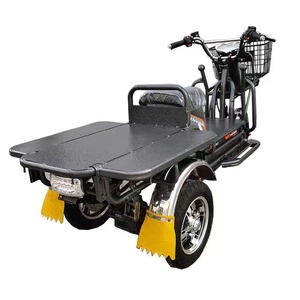
Distributors are leveraging Chinese ODM platforms to develop proprietary retro café racer designs (such as Vincent or Maeving-inspired aesthetics) or heavy-load commercial delivery frames. Original Equipment Manufacturers now provide rapid 3D prototyping, custom mold manufacturing for plastic body fairings, bespoke digital dash GUIs, and tailored wiring harness configurations with low Minimum Order Quantities (MOQs).
Why Partner with Our Manufacturing Facilities
Combining British-inspired café racer design principles with China's unmatched electric powertrain supply chain and high-precision automated manufacturing.
Rigorous QA & Testing
Every frame undergoes 500,000-cycle dynamic stress testing, salt spray anti-corrosion testing, and IP67 waterproof immersion verification for electrical components prior to packaging.
Removable Dual Battery Tech
Engineered with lightweight casing, ergonomic handles, and dual-battery smart balancing BMS that permits indoor charging from standard 110V-240V wall outlets without specialized garage EV infrastructure.
Full Logistics Support
End-to-end export management including hazardous material (Class 9 Lithium Battery) shipping clearance, Customs documentation, and localized spare parts catalog fulfillment.
Frequently Asked Procurement Questions (FAQ)
Detailed answers to critical sourcing questions asked by vehicle importers, commercial fleet operators, and OEM buyers.