Executive Engineering Brief: The Evolution of Mid-Drive E-Motorcycles
In the rapidly evolving global electric two-wheeler market, procurement teams and brand managers face a crucial technological shift: the transition from hub-mounted hub motors to integrated Mid-Drive Powertrain Systems. As a premier Custom OEM Mid Drive Motorcycle Exporter, our engineering consortium bridges the gap between classic British chassis dynamics and high-efficiency electric propulsion engineering.
Unlike hub motors which add significant unsprung mass directly to the wheel assemblies—compromising suspension response, cornering agility, and rim durability—mid-drive architectures centralize the powertrain's heavy components within the motorcycle frame. This structural layout delivers optimal 50:50 axle weight distribution, enables multi-ratio reduction gearing, and maximizes thermal dissipation under sustained high-torque operational loads.
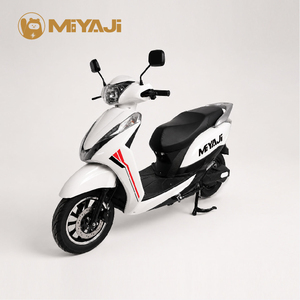
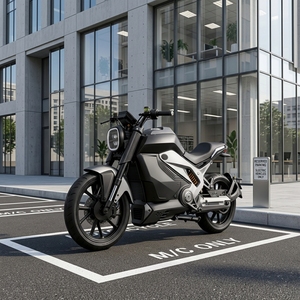
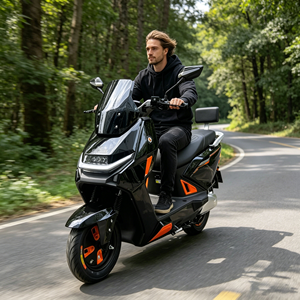
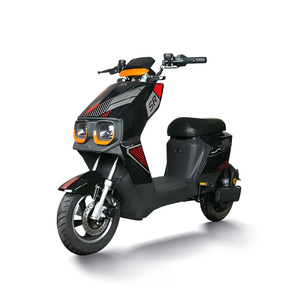
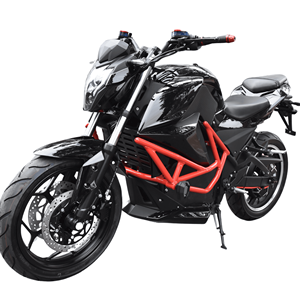
Featured OEM Electric Motorcycle Portfolio

Powertrain Engineering: Mid-Drive vs. Hub-Motor Systems
For international buyers evaluating a Custom OEM Mid Drive Motorcycle Exporter, understanding the physics behind powertrain dynamics is critical to brand positioning. Mid-drive systems locate the Permanent Magnet Synchronous Motor (PMSM) centrally within the motorcycle frame, transmitting power via primary reduction gears and belt/chain drives to the rear sprocket.
1. Unsprung Mass Optimization and Dynamics
In traditional hub-motor setups, a heavy electric motor (often weighing 12kg to 22kg) resides directly inside the wheel rim. This increases unsprung mass significantly. Under high-speed compression or dynamic cornering, the suspension dampers struggle to keep the tire in optimal contact with the tarmac. Mid-drive configurations reduce unsprung mass by over 60%, empowering fine-tuned hydraulic suspension damping, linear bump absorption, and superior high-speed cornering stability.
2. Torque Multiplication & Primary Gear Ratios
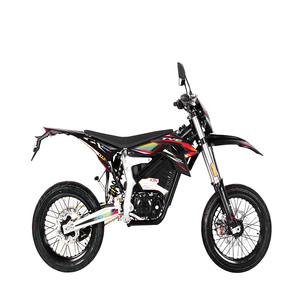
Hub motors operate at a 1:1 gear ratio relative to rear wheel RPM, forcing the motor to draw enormous currents during low-speed acceleration or incline climbing. Mid-drive motors utilize primary mechanical reduction ratios (typically 1:2.5 to 1:4.8), allowing the electric motor to spin at its optimal efficiency RPM band (4,000 – 9,000 RPM) while producing explosive wheel torque—up to 460 N.m on high-performance models like the Roywell Racing Motocross platform.
| Performance Metrics | Mid-Drive OEM Architecture | Standard Rear Hub Architecture | Impact on Procurement Strategy |
|---|---|---|---|
| Unsprung Mass | Ultra-Low (2.5 – 4.0 kg) | High (14.0 – 24.0 kg) | Ensures premium handling for European & North American markets. |
| Torque Density | High (Reduction Gearing) | Direct Drive (1:1 Ratio) | Enables 30°+ incline climbing without motor saturation. |
| Thermal Dissipation | Liquid/Air-Cooled Housing | Enclosed inside Rim Assembly | Prevents thermal throttling during highway speed cruising (70mph+). |
| Rim & Tire Maintenance | Standard Motorcycle Rims | Integrated Motor Stator Rim | Drastically lowers field service labor and replacement logistics cost. |
| Weight Distribution | 50:50 Neutral Balance | Rear-Heavy Bias (35:65) | Complies with strict safety and vehicle agility homologation tests. |
Custom OEM Manufacturing Capabilities & Enterprise Integration
Global Sourcing Trends: 2025–2030 Outlook for Importers
As global regulations phase out internal combustion engine (ICE) two-wheelers in urban centers across Europe, North America, and Southeast Asia, procurement managers must align their product roadmaps with macro industry shifts. Below are four key trends shaping the future of OEM mid-drive motorcycle sourcing:
The market for low-speed 25km/h e-mopeds is reaching saturation. Sourcing demands have shifted sharply toward high-speed, 70mph (110–130km/h) highway-capable electric motorcycles. Mid-drive powertrains are essential in this segment because they maintain low thermal signatures during extended high-speed operation, fulfilling highway entry requirements in Western markets.
Buyers are rejecting heavy, non-removable battery designs that bind the vehicle to public EV charging stations. Modern fleet strategies prioritize dual removable battery packs (e.g., 2x 72V 36Ah) that allow operators and commuters to carry battery modules indoors for charging via standard 110V/230V household outlets. This lowers municipal infrastructure requirements.
As highlighted by advanced prototypes like the XF Hydrogen Fuel Cell Hybrid Motorcycle, off-road and expedition vehicles are integrating secondary hydrogen-electric fuel cells to extend operational range into remote zones where grid access is unavailable. OEM exporters offering dual-platform compatibility lead this high-margin sector.
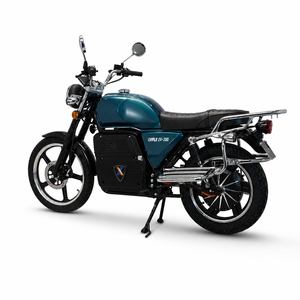
The last-mile logistics boom demands reinforced heavy-duty electric motorcycles (such as the Business EV-200 series) outfitted with integrated rear cargo racks, dual passenger conversion systems, and heavy-duty hydraulic shock absorbers rated for 150kg+ payload capacities.
Powertrain R&D: Next-Generation Material Innovations
Future-proofing an electric motorcycle line requires staying ahead of component-level advancements. Our engineering team continuously integrates next-generation hardware into our OEM factory lines:
A. Silicon Carbide (SiC) Inverter Architectures
Traditional IGBT inverters suffer from switching losses at high frequencies. By implementing Silicon Carbide (SiC) MOSFET controllers, inverter efficiency increases to 98.5%, reducing heat waste and extending usable battery range by 7% to 10% under identical battery capacities.
B. Helical Gear Primary Reductions vs. Synchronous Belts
While carbon-reinforced drive belts offer whisper-quiet urban operation, heavy-duty racing and dirt bike applications (such as 11kW–20kW peak power motocross platforms) are transitioning to oil-bath helical gear primary reductions. This configuration eliminates belt breakage during aggressive jumps and extreme torque spikes.
C. High-Energy Solid-State & Sodium-Ion Battery Packs
While Lithium Nickel Manganese Cobalt (NMC) and Lithium Iron Phosphate (LiFePO4) remain the industry standards for energy density and cycle longevity, field trials for cold-weather resilient Sodium-ion battery packs are underway, protecting battery performance down to -20°C ambient temperatures.