

Engineering Excellence: How OEM Accessories Optimize LEV Performance
When procuring electric motorcycle accessories at an enterprise level, engineering integration is paramount. Unlike legacy internal combustion motorcycles where aftermarket parts function independently of internal vehicle electronics, electric motorcycles are integrated cyber-physical ecosystems. Every accessory drawing electrical power—or altering vehicle mass and aerodynamics—directly influences battery management system (BMS) logic, range estimation algorithms, and overall safety performance.
1. High-Voltage Isolation and Electromagnetic Compatibility (EMC)
A primary concern for international distributors and fleet buyers is ensuring that electronic accessories (such as auxiliary LED fog lamps, USB-C fast-charging hubs, or smart anti-theft GPS trackers) do not cause electromagnetic interference (EMI) with the primary powertrain inverter or motor controller. Maeving's OEM accessory harness utilizes triple-shielded cabling and isolated DC-DC step-down converters that isolate 12V auxiliary power channels from the high-voltage 57V traction battery circuits. This eliminates electrical noise and complies with UNECE R10 electromagnetic safety requirements.
Designed by Triumph & McLaren Veterans
Our engineering team in Coventry, UK tests every accessory accessory mount under simulated 5G vibration spectrums and extreme thermal cycling (-20°C to +60°C). This guarantees that lock mounts, pannier frames, and battery contacts maintain structural integrity over 100,000+ miles of rigorous urban service.
2. Thermal Dynamics of Fast Home-Charging Accessories
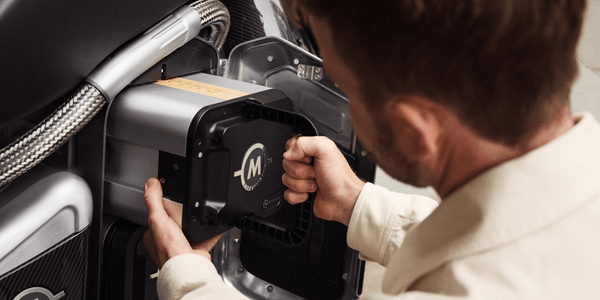
Urban commuters and delivery fleets frequently question how home charging accessories perform under daily heavy duty cycles. Maeving's removable dual-battery charging docks feature active balance monitoring, nickel-plated copper contact pins, and flame-retardant polycarbonate enclosures rated to UL94-V0. By maintaining optimal resistance across power terminals, thermal rise during a full 0-100% charge cycle remains below 8°C above ambient temperature, ensuring cell longevity over 1,500 full discharge cycles.
3. Aerodynamic Drag Reduction and Range Optimization
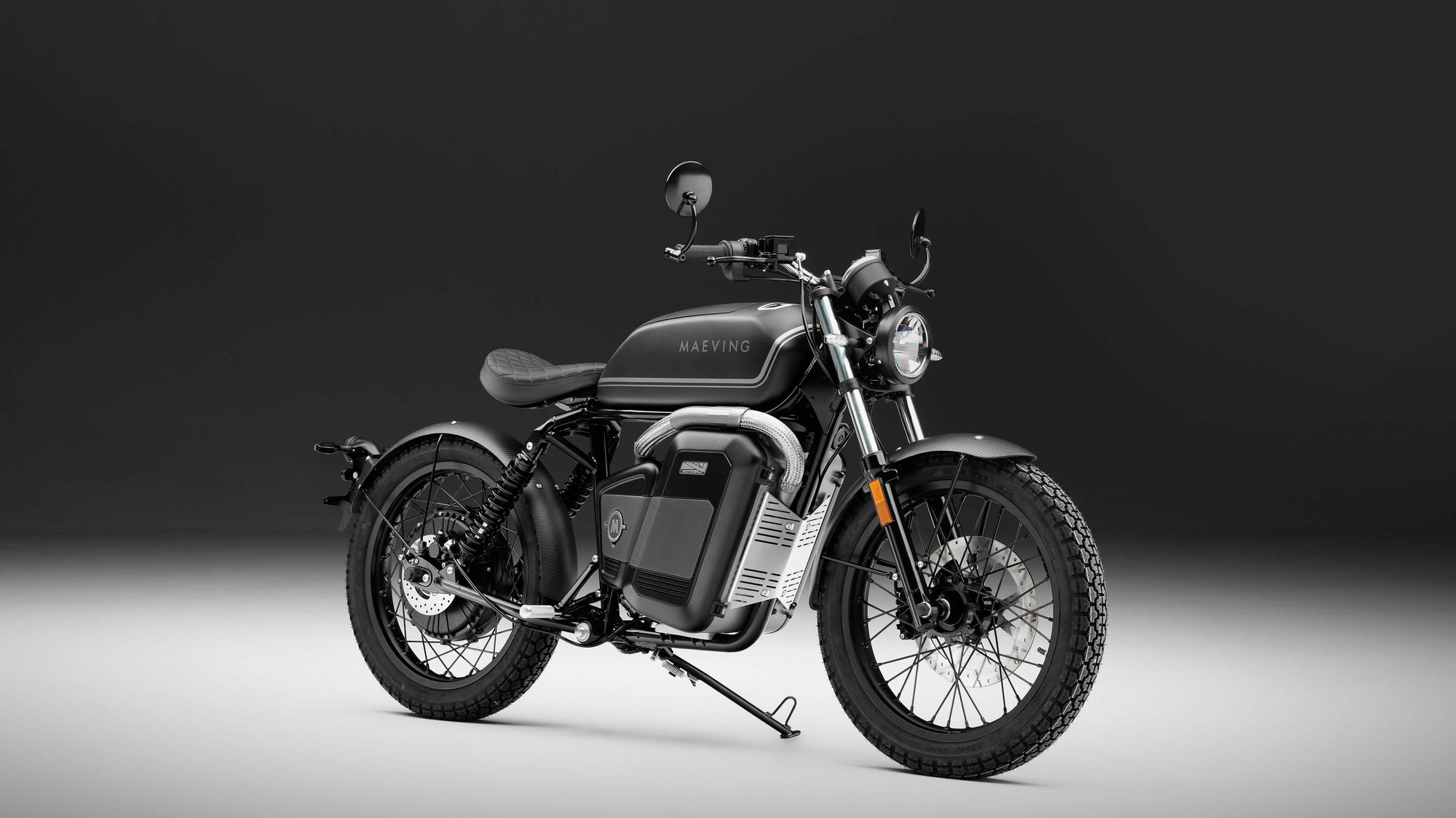
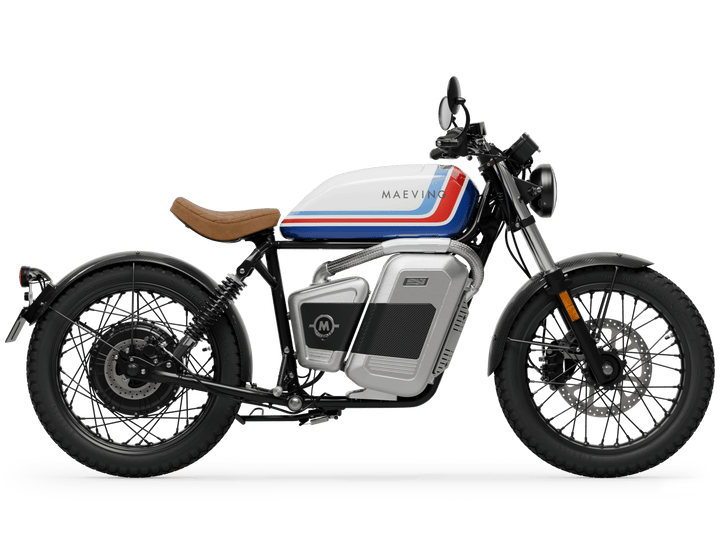
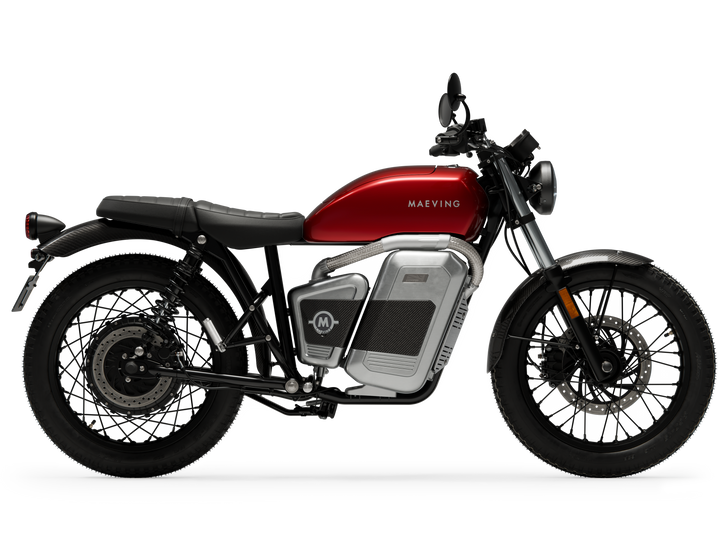
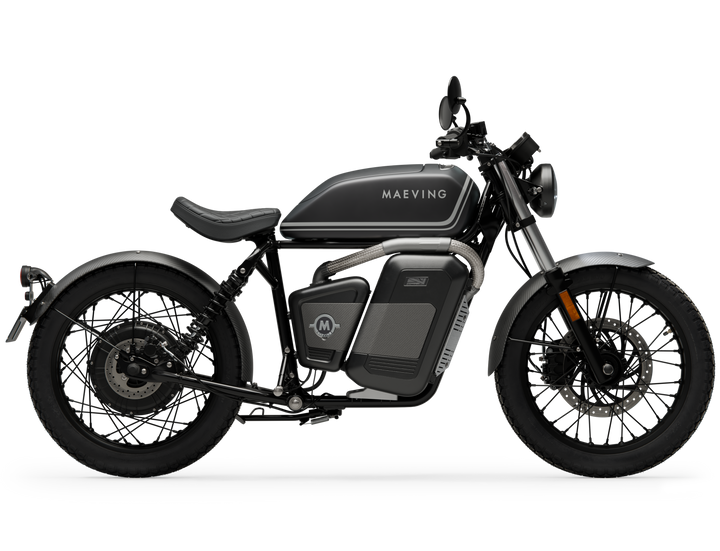
In real-world EV testing, unoptimized luggage accessories can increase aerodynamic drag (CdA) by up to 22%, severely reducing high-speed highway range. Maeving's bespoke luggage systems—including our sculpted tank pods and slim-line rear carriers—are modeled using Computational Fluid Dynamics (CFD) software. By guiding air smoothly around the headtube and seat cowl, our accessories preserve the RM1S and RM2's 70 mph top speed while maintaining up to 80 miles of usable range.
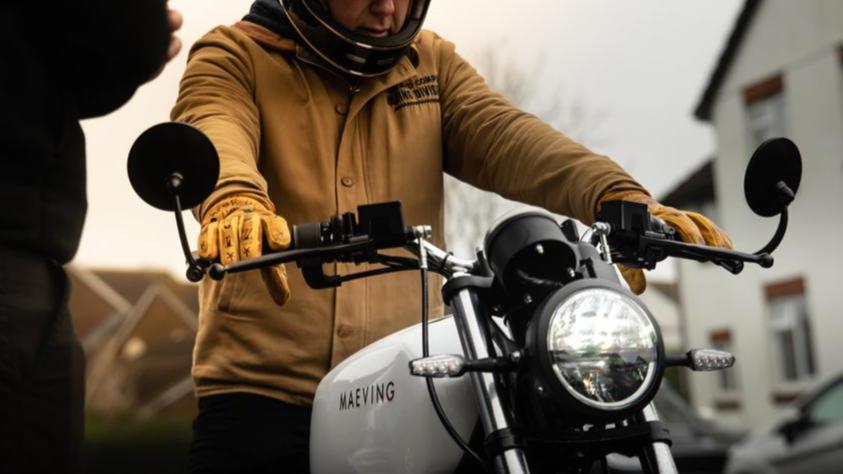
- Billet Aluminum Mirror Kits: Vibration-dampened 6061-T6 aluminum with blue anti-glare convex glass for enhanced rearward visibility in high-density urban traffic.
- Weatherproof Flyscreens: High-impact polycarbonate windscreens designed to redirect frontal airflow over the rider's chest, decreasing aerodynamic drag and rider fatigue.
- Integrated Security Locks: Hardened steel disc locks and cable anchors designed to store seamlessly inside dedicated OEM lockable storage compartments.